Dan Houser Steps Back: The Strategic Architect Behind Rockstar's New Direction
One of gaming's most influential creative forces is deliberately staying out of the spotlight. Dan Houser, co-founder and former Vice President of Creativity at Rockstar Games, has reportedly been avoiding deep involvement in GTA 6 to prevent it from "distracting or disrupting" his newer game initiatives. This calculated distance—surprising given his instrumental role in building the Grand Theft Auto empire—reveals a fundamental shift in how Rockstar's leadership structures creative development as the studio enters one of gaming's most anticipated release windows.
- Confirmed: Dan Houser co-founded Rockstar Games and shaped GTA's creative identity for three decades
- Rumor / unconfirmed: Houser is actively avoiding GTA 6 involvement to focus on new independent projects without creative conflicts
- Confirmed: Houser departed from Rockstar's day-to-day operations in 2020; GTA 6 development has continued under current leadership
- Context: This approach mirrors how major studios compartmentalize leadership to prevent "creative bottlenecks" during multi-generational franchise transitions
- Timeline: GTA 6 launches November 19, 2026, on PS5 and Xbox Series X|S—with Houser's reported strategic distance in place
Who Is Dan Houser? Rockstar's Legendary Architect
To understand the significance of Houser's reported step-back, it's essential to recognize his role in shaping interactive entertainment for over three decades. Dan Houser, alongside his brother Sam Houser (current Rockstar President), co-founded Rockstar Games in 1998. Dan served as Vice President of Creativity—a title that encompassed narrative design, directorial oversight, and the creative philosophy that defined Grand Theft Auto across five main releases: GTA III, Vice City, San Andreas, GTA IV, and GTA V.
His fingerprints are across gaming's most culturally significant franchises. The satirical voice, the moral ambiguity, the fusion of Hollywood narrative with open-world interactivity—these are Houser signatures. GTA Vice City (2002), in particular, became a cultural phenomenon partly due to Houser's vision of 1980s Miami excess refracted through a criminal narrative lens. The game sold over 17 million copies and redefined what story could mean in interactive media.
Confirmed: Dan Houser served as Vice President of Creativity at Rockstar Games and was instrumental in GTA's narrative direction from 1998–2020. He officially departed from the company in March 2020 following a planned leave of absence.
Yet by 2020, after GTA Online's sustained profitability began overshadowing single-player innovation, Houser stepped away from Rockstar's daily operations. The studio continued development under a new creative structure, with GTA 6 moving forward under different leadership—a transition that has, according to reports, included Houser's deliberate distance to allow new voices to flourish without his towering creative shadow.
The Reported Strategy: Strategic Distance as Creative Catalyst
According to industry reporting, Houser's reported avoidance of GTA 6 involvement isn't indifference—it's deliberate architectural thinking. The logic is straightforward: Houser's involvement could overshadow the current creative team, create decision-making bottlenecks, or push the project toward his established aesthetic when new directions may be necessary for a new era.
This approach has historical precedent in major creative industries. When visionary directors step back from sequels—whether in film, music, or games—it's often because their original framework has achieved canonical status. New leadership must establish its own authority. Having the original architect hovering in the background can undermine that process, even unintentionally.
Rumor / unconfirmed: Dan Houser is actively distancing himself from GTA 6 to prevent his creative influence from "distracting or disrupting" the current development team's vision and autonomy. This reporting comes from industry sources but hasn't been officially confirmed by Rockstar Games or Houser himself.
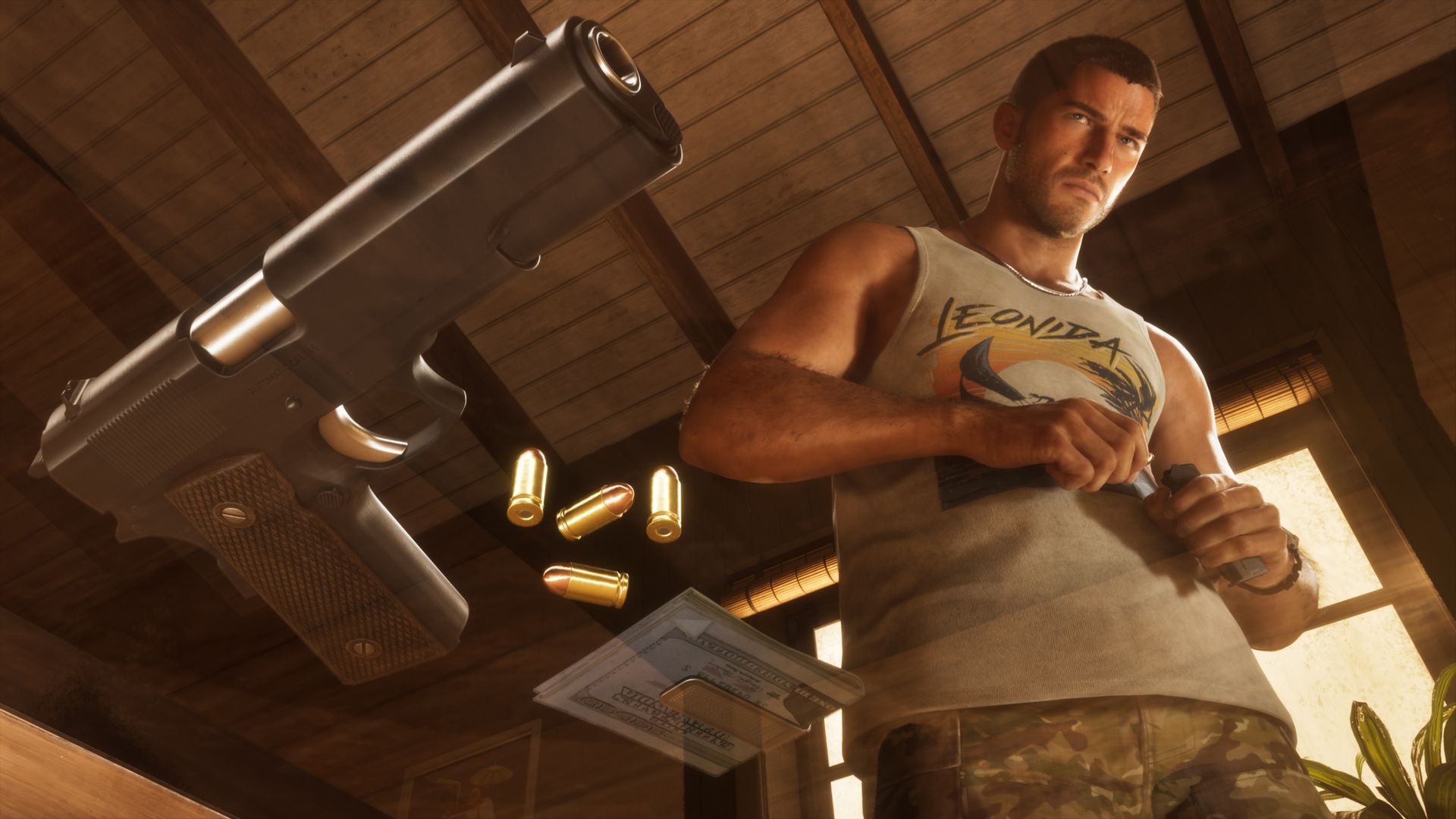
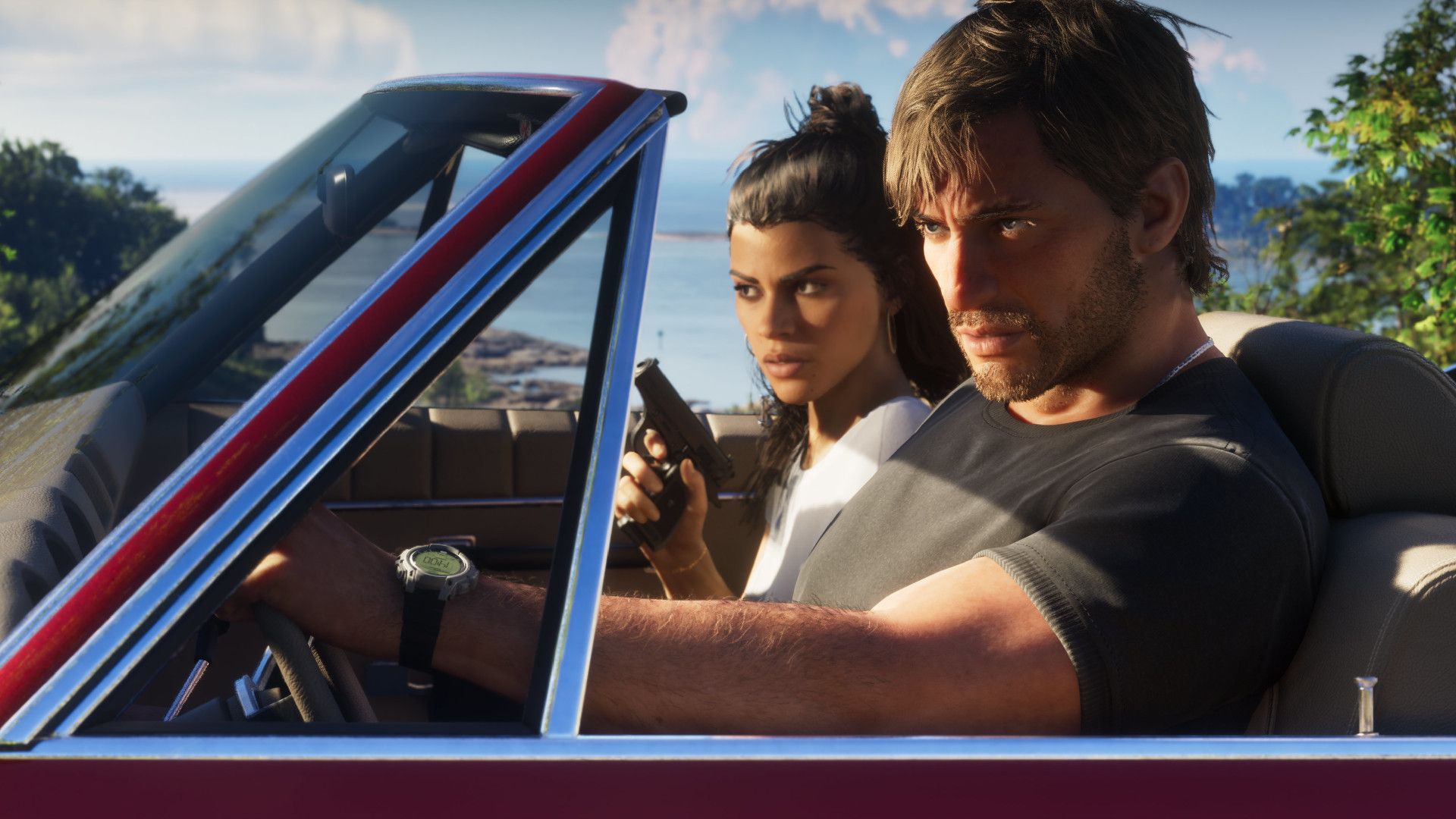
GTA 6's current creative leadership includes directors and writers who have grown up working in the Grand Theft Auto ecosystem but are now steering their own vision. Protagonists Jason Duval and Lucia Caminos—notably, Lucia is the first female lead of the main GTA series—represent a conscious shift from previous narrative structures. A project of this magnitude, with $300–500 million in reported development investment, cannot afford creative friction at the leadership level.
Timeline: Houser's Departure and GTA 6's Progression
- March 2020: Dan Houser takes a planned leave of absence from Rockstar Games, citing personal reasons and a desire to pursue new projects
- July 2020: Houser officially departs from his position as Vice President of Creativity; Rockstar confirms his exit
- 2020–2023: GTA 6 development accelerates under new creative direction; Houser maintains no reported involvement
- December 2023: Rockstar releases the first GTA 6 trailer, showcasing Vice City and dual protagonists—a product of post-Houser creative leadership
- 2024–2025: Industry reporting suggests Houser is deliberately staying distant to protect both his new projects and the GTA 6 team's creative autonomy
- November 19, 2026: GTA 6 launches on PS5 and Xbox Series X|S, representing the franchise's first mainline entry shaped entirely without Houser's direct involvement
What Is Houser Working On? The New Ventures
The question naturally follows: if Houser isn't steering GTA 6, what commands his creative energy? According to available information, Houser has invested in independent game development ventures and other creative projects outside Rockstar's immediate ecosystem.
Rumor / unconfirmed: Dan Houser is purportedly developing new game projects with smaller independent studios, though specific titles, funding, or timelines have not been publicly disclosed. Industry sources suggest these projects represent his desire to explore creative directions outside the AAA-publishing model.
This shift aligns with a broader pattern: veteran game creators, after achieving massive success within large publishing structures, often seek artistic freedom through smaller, more agile teams. The independent game space has attracted figures like Denis Villeneuve (film) adjacently influencing interactive media, suggesting that mid-tier creativity may be where the next generation of narrative innovation happens.
By staying clear of GTA 6, Houser avoids the gravitational pull of a $300+ million project that could consume a decade of development, marketing, and post-launch support. His departure signals intent to pioneer new territory rather than defend an established kingdom.
GTA 6's New Leadership: Who's Steering Vice City?
Without Houser's direct involvement, GTA 6's creative direction has evolved under a collective leadership model. Rockstar's current structure emphasizes collaborative decision-making across narrative design, game design, and art direction—a departure from the singular visionary model that defined earlier entries.
The evidence is visible in GTA 6's confirmed direction: the franchise's first female protagonist as co-lead (Lucia Caminos), a return to the Vice City setting (last seen in 2002), and a narrative centered on a criminal couple rather than a solitary antihero. These choices reflect a modernized approach to storytelling—more inclusive, thematically diverse, and responsive to 24 years of gaming evolution since the original Vice City.
Lucia's role is particularly significant. She isn't a supporting character or a secondary perspective; she's a full co-protagonist with agency, complexity, and narrative weight equal to Jason Duval. This represents a conscious thematic and commercial decision—one that likely emerged from a creative team thinking beyond the archetypes that defined earlier GTA narratives.
| Aspect | Dan Houser Era (GTA III–GTA V) | Post-Houser Era (GTA 6) |
|---|---|---|
| Protagonist Structure | Single male antihero (CJ, Niko, Michael) | Dual protagonists: male & female leads (Jason & Lucia) |
| Creative Leadership | Visionary architect model | Collaborative collective model |
| Setting Approach | Fictional evolution (Liberty City ? San Andreas) | Revisiting & reimagining (Vice City returns) |
| Narrative Focus | Individual redemption/corruption arcs | Relationship-driven (criminal couple dynamic) |
| Technology | RAGE engine (GTA V: 2013) | RAGE engine (evolved 2026 version) |
Strategic Implications: What Houser's Distance Means for GTA 6
Houser's reported step-back carries several strategic implications for GTA 6's success and the franchise's long-term health.
Creative Momentum Without Shadows
Franchises often struggle when original architects linger. The new team can innovate without second-guessing decisions against the original vision. GTA 6's twin-protagonist structure, the decision to return to Vice City after 24 years, and the emphasis on relationship narrative—these choices feel intentional and fresh because they weren't constrained by defending what came before.
Commercial Independence
From a business perspective, Houser's absence protects Rockstar from the "nostalgia trap." If he were publicly involved, marketing and media would inevitably frame GTA 6 as "Dan Houser's return to Vice City," creating pressure to recapture 2002's lightning in a bottle. Instead, the game stands on its own terms as a contemporary work—more appealing to new audiences while respectful of legacy.
Institutional Resilience
Houser's departure, and his continued distance, proves that Rockstar Games is bigger than any single creator. The franchise survived the jump from Houser's GTA III engine to later iterations; it will survive GTA 6 under new leadership. This institutional confidence is attractive to investors (Take-Two Interactive owns Rockstar) and assures players that the studio has depth beyond any individual talent.
Industry Context: The Changing Role of Legendary Creators
Houser's strategic distance reflects a broader shift in how legacy creators engage with their life's work. In gaming, this mirrors patterns in film: original visionaries either maintain creative control until their death or step back to allow new voices. Martin Scorsese still directs; Quentin Tarantino declared his planned retirement. Neither approach is "correct"—both reflect different philosophies about legacy and artistic evolution.
For games, the stakes are enormous. GTA V (2013) sold over 180 million copies and generated over $6 billion in revenue. GTA Online continues to be a major revenue driver for Take-Two. Houser's decision to step back isn't just personal—it's institutional. It allows Rockstar to prove that the franchise can evolve beyond its original architect, attracting new creative talent and signaling confidence in the next generation.
Confirmed: GTA V remains one of the best-selling video games of all time with 180+ million copies sold and $6+ billion in lifetime revenue. Houser's departure in 2020 occurred after this unprecedented success, allowing him to exit at a peak rather than face diminishing returns.
Sources & Official Information
- Rockstar Games Newswire (official GTA 6 announcements)
- Take-Two Interactive investor relations (official business updates)
- GTA VI official website (rockstargames.com)
- November 2023: Rockstar Newswire GTA 6 announcement & first trailer release
- Industry reporting: IGN, GameSpot, Polygon on Houser's 2020 departure
- Rockstar Games official social media (@RockstarGames, @GrandTheftAuto)
FAQ
Did Dan Houser work on GTA 6 at all?
According to available information, Dan Houser departed Rockstar Games in July 2020, which was before GTA 6's intensive development phase and well before the December 2023 trailer reveal. He has not been publicly credited or reported to have involvement in GTA 6. His reported strategy to avoid involvement appears designed to give the current creative team full autonomy without his shadow.
Why would Houser deliberately stay away from his own franchise?
Creative precedent from other industries suggests several reasons: (1) allowing new leadership to establish authority without comparing every decision to original designs; (2) preventing his towering creative legacy from constraining innovation; (3) freeing himself to pursue new independent projects without the commitment a $300+ million franchise demands. It's a mature, institutional decision rather than a rejection of the franchise.
Does GTA 6's quality depend on Houser's involvement?
Not necessarily. While Houser shaped the franchise brilliantly, GTA 6 is a collective effort of hundreds of developers, writers, and artists. Modern game development is collaborative; no single person, even the co-founder, is indispensable. The franchise's continued evolution, even without Houser, suggests the systems and culture he helped build are resilient and capable of producing world-class work.
When does GTA 6 launch, and will Houser be present for the release?
GTA 6 launches November 19, 2026, on PlayStation 5 and Xbox Series X|S. Whether Houser makes any public appearances during launch marketing remains unknown. His strategy of distance suggests he may remain behind the scenes, allowing the game and its new creators to occupy the cultural spotlight.