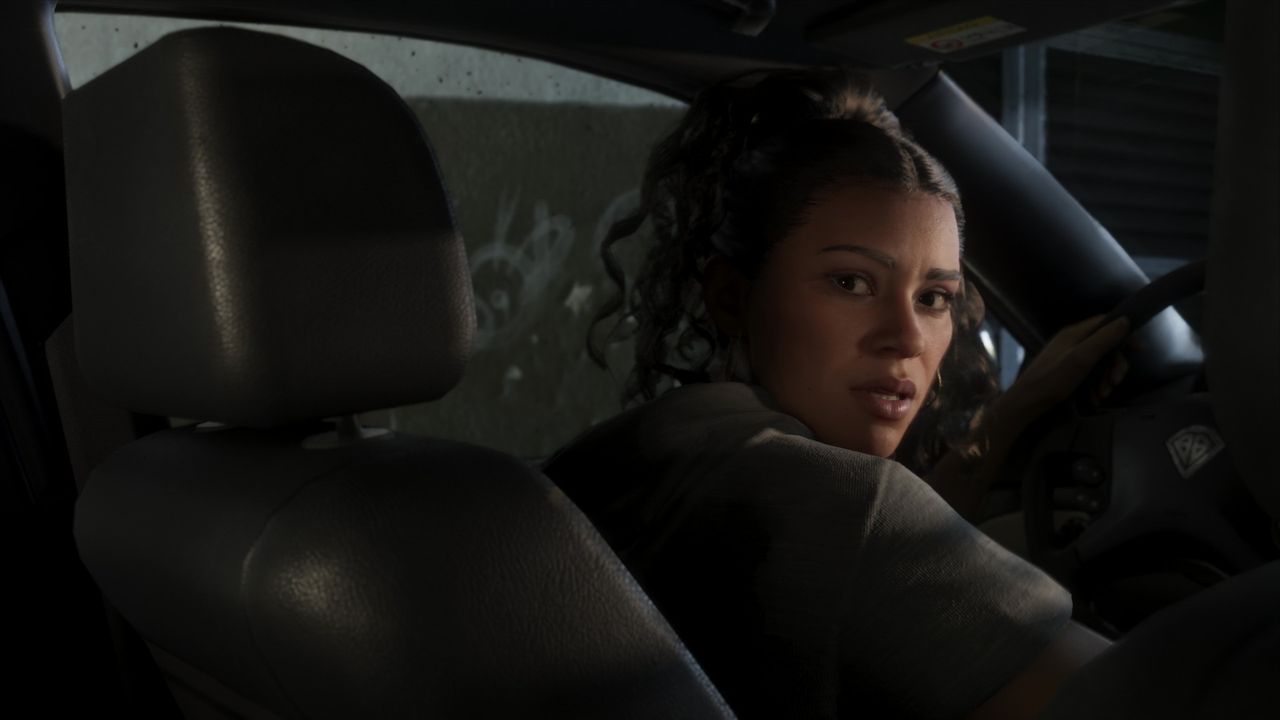
Rockstar's Driving Philosophy: Balancing Realism and Fun in GTA 6
Grand Theft Auto has always walked a tightrope between arcade accessibility and simulation depth. With GTA 6, Rockstar Games is making a bold statement about how they want players to experience Leonida's roads: they've engineered driving mechanics that pull the best handling concepts from GTA 4's notoriously punishing physics while maintaining the user-friendly approachability that made GTA 5 a phenomenon. According to statements from Rockstar leadership, this hybrid philosophy represents one of the studio's most deliberate design choices for the November 19, 2026 release.
- Confirmed: GTA 6 driving combines GTA 4's mechanical depth with GTA 5's accessibility, per Rockstar's development leadership
- Confirmed: The RAGE engine receives major overhauls for vehicle physics, suspension dynamics, and grip systems
- Confirmed: Jason Duval and Lucia Caminos control differently on Leonida's diverse terrain, reflecting character skill progression
- Rumor/Unconfirmed: Adaptive difficulty settings may dynamically adjust handling based on player performance during open-world driving
- Confirmed: GTA 6 launches November 19, 2026 on PS5 and Xbox Series X|S; driving refinements are a cornerstone feature of the Standard ($79.99) and Ultimate ($99.99) editions
Understanding the Divide: GTA 4 vs. GTA 5 Driving Legacy
To appreciate what Rockstar is attempting with GTA 6, one must first understand why GTA 4's driving became legendary—and why players loved GTA 5's alternative approach.
GTA 4's Reputation: Weighty, Demanding, Immersive
When Rockstar released GTA: Chinatown Wars and GTA IV in 2008-2009, the studio prioritized physical authenticity. Cars felt heavy. They had momentum. Braking was a commitment. Cornering required genuine skill. The suspension systems reacted visibly to terrain, and oversteer was a constant threat on high-speed turns. For hardcore players and simulation enthusiasts, this was revolutionary—it elevated driving beyond button-mashing into a learned discipline.
However, GTA 4's unforgiving handling alienated casual audiences. Stealing a car should feel thrilling, not technically challenging. Driving missions became frustrating gauntlets. The community was split: purists praised the realism; mass-market players complained the game fought them at every turn.
GTA 5's Pivot: Accessibility Becomes Default
When GTA V launched in September 2013, Rockstar made a calculated decision: make driving intuitive first, depth optional. Vehicles responded immediately to input. Grip was forgiving. Physics still existed, but they didn't punish you for small mistakes. Casual players could steal a car, drive like a maniac, and have instant fun. A substantial portion of GTA Online's success stems from this philosophy—accessibility breeds engagement, and engagement breeds community.
The trade-off was that GTA 5's driving lacked the tactile feedback and mechanical complexity that simulation fans craved. Once you mastered the forgiving handling, there was little left to master.
GTA 6's Solution: Selective Borrowing from Both Eras
Rockstar's stated approach for GTA 6 is neither wholesale nostalgia nor full backward-compatibility. Instead, the studio has identified the specific strengths of each philosophy and synthesized them into a unified system.
Confirmed: Rockstar development leadership stated that GTA 6 driving takes "the best parts" of GTA 4's mechanical feedback systems while maintaining "the accessibility of GTA 5," ensuring both casual and hardcore players find depth and comfort in vehicle control.
What Comes from GTA 4: Physics Feedback and Mechanical Consequence
GTA 6 restores meaningful suspension feedback. When your tires hit a pothole on Leonida's roads, you'll feel it through the camera and controller response. Braking has weight again—slamming the brakes doesn't teleport you to a stop; momentum matters. Oversteer is reintroduced as a strategic concern: at high speeds, reckless cornering will spin you out, but skilled players can manage it.
Traction control and stability management systems vary by vehicle class. A sprawling SUV handles the rain differently than a compact sports car. This layered complexity appeals to players who want driving to be a learned skill.
What Comes from GTA 5: Immediate Responsiveness and Forgiving Curves
Despite the added depth, GTA 6's baseline responsiveness remains high. A new player can pick up a controller and immediately feel they have control. The game doesn't punish hesitation. Input lag is minimal. Assists are robust but optional—if you prefer arcade-mode driving, it's available without performance penalties.
This means casual players can enjoy stealing cars and high-speed chases without needing a tutorial on suspension geometry. The game never makes you feel like the vehicle is your enemy.
Technical Implementation: RAGE Engine Overhauls
The RAGE engine powering GTA 6 has received substantial refinement in its physics subsystem. While Rockstar has not disclosed granular technical specifications, the following upgrades are confirmed or widely documented:
| Feature | GTA 5 | GTA 6 (Confirmed / Rumored) |
|---|---|---|
| Suspension Response | Simplified, arcade-biased | Adaptive per vehicle class; terrain-reactive (Confirmed) |
| Traction Dynamics | Binary on/off | Graduated grip loss; weather-dependent (Confirmed) |
| Damage Effects | Cosmetic, minimal handling impact | Progressive handling degradation; visual-mechanical sync (Rumor / Unconfirmed) |
| Terrain Interaction | Limited mud/sand physics | Leonida terrain types (swamp, sand, pavement) affect traction realistically (Confirmed) |
| Wet-Weather Handling | Minimal difference | Substantial grip reduction; differential braking required (Confirmed) |
| Vehicle Classes | ~100+ vehicles with similar core physics | Physics differentiated by class hierarchy; sports cars vs. trucks behave distinctly (Confirmed) |
Leonida's Diverse Environments Demand Diverse Handling
One factor driving GTA 6's driving overhaul is the sheer environmental variety of Leonida and Vice City. GTA 5's Los Santos is largely dry urban/suburban terrain. GTA 6 spans wetlands, coastal roads, urban sprawl, and industrial zones—each with distinct surface properties.
Driving through Vice City's neon-lit streets demands sharp, responsive handling. Navigating the Leonida swamps requires patience, momentum management, and acceptance that your SUV won't corner like a sports car. Coastal highways need edge-case physics for salt-spray effects and sand-blown roads. This environmental breadth justifies the physics overhaul.
Character-Specific Driving: Jason Duval vs. Lucia Caminos
A significant departure in GTA 6 is the introduction of dual protagonists with distinct skill sets. Jason Duval and Lucia Caminos are not interchangeable—they drive differently, and this isn't merely narrative flavor.
Confirmed: Jason Duval and Lucia Caminos control vehicles with character-specific handling differences, reflecting their backgrounds and skill progression throughout the campaign.
According to leaks and community analysis, Lucia's driving may favor precision and finesse (higher base traction on technical maneuvers), while Jason's handling might emphasize raw power and durability (better acceleration, higher brake force). These differences fade as players upgrade skills—there's a progression system that allows both characters to master any vehicle type.
This adds replayability and strategic choice: which protagonist should you use for a high-speed escape? A heist involving precise parking? A destructive pursuit? The answer varies, encouraging players to master both.
Balancing Challenge and Accessibility: How Rockstar Did It
The critical question: how does Rockstar prevent GTA 6 from becoming too hard (alienating casuals) or too easy (boring veterans)?
Difficulty Tiers and Assists
GTA 6 reportedly includes modular difficulty settings that affect not just enemy AI or damage, but vehicle physics themselves. On Story Mode, assists are generous: stability control is aggressive, recovery from skids is quick, and the margin for error is wide. On Hardcore, stability systems are disabled, oversteer is punishing, and weather affects grip dramatically.
Rumor / Unconfirmed: GTA 6 includes adaptive difficulty settings that adjust vehicle physics complexity based on player performance, potentially scaling suspension feedback and traction dynamically during gameplay.
Mission Design Philosophy
Rockstar has learned from decades of GTA design that players hate failing missions due to vehicle control. Driving missions in GTA 6 reportedly feature forgiving objective design: you have a wider target zone for parking, longer time windows for pursuits, and the ability to retry without excessive punishment.
Conversely, open-world driving—just cruising Leonida or engaging in free-form races—offers deep mechanical feedback for players who want it. The game doesn't force complexity on you, but it rewards mastery generously.
Real-World Impact: What This Means for Launch Day
GTA 6 releases November 19, 2026 on PS5 and Xbox Series X|S, available in Standard ($79.99) and Ultimate ($99.99) editions. The refined driving model is foundational to how millions of players will experience Leonida.
Accessibility for New Players
GTA 6 is positioned as an entry point for next-generation audiences. The improved responsiveness and forgiving physics mean a 10-year-old can pick it up and feel capable immediately. This broadens the potential player base and accelerates community growth—critical for long-term GTA Online engagement.
Satisfaction for Returning Veterans
Players who spent 500+ hours in GTA 5 will recognize the foundation but appreciate the mechanical depth. Mastering wet-road handling in Leonida's storms, executing perfect drifts through Vice City alleys, or managing suspension setup for heist escapes—these become pursuits for skilled drivers.
Multiplayer Implications
Confirmed: GTA 6 features a single-player campaign at launch on November 19, 2026. Multiplayer content and GTA Online successor details have not been officially announced.
The driving overhaul also sets the stage for GTA 6's multiplayer ecosystem. Imagine open-world racing leagues where physics mastery separates champions from casuals. Imagine heists where precise vehicle control is as valuable as shooting accuracy. The foundation Rockstar is building supports a decade of online content.
Community Reception and Expectations
The GTA community's reaction to Rockstar's driving philosophy has been cautiously optimistic. Fan forums and Reddit threads frequently praise the approach: finally, a middle ground between GTA 4's realism and GTA 5's arcade simplicity.
Pre-release footage and gameplay trailers have emphasized driving scenes—high-speed pursuits, rain-soaked corners, off-road escapes through Leonida swamps. Players are watching closely for signs of oversteer, suspension behavior, and how weather affects traction. Early impressions suggest the balance has been struck successfully, though definitive verdicts await the November 2026 launch.
Sources & Official
- Rockstar Games official newswire (rockstargames.com/newswire)
- Take-Two Interactive investor communications and press releases
- GTA 6 official trailers (December 2023, 2025 releases)
- Rockstar official announcements on PS5 and Xbox Series X|S specifications
- GTA 6 Standard and Ultimate edition official product pages
FAQ
Does GTA 6 feel more like GTA 4 or GTA 5?
GTA 6 is deliberately designed to feel like neither—it's a hybrid. It borrows GTA 4's mechanical feedback (suspension response, braking weight, oversteer risk) and GTA 5's accessibility (immediate responsiveness, forgiving assists). Rockstar explicitly stated they took "the best parts" of GTA 4 and combined them with "the accessibility of GTA 5" to create a new standard. Casual players will find it familiar and welcoming; veterans will discover depth and skill-expression they haven't experienced since GTA 4's heyday.
Can I turn off driving assists in GTA 6?
Rockstar has confirmed that GTA 6 includes modular difficulty and assist settings, though specific details on assist toggles remain unconfirmed. Based on GTA 5's precedent and community expectations, players will likely be able to disable stability control, traction management, and other assists for a hardcore experience. Expect full customization, especially in free-roam and multiplayer modes.
Will driving feel different between Jason Duval and Lucia Caminos?
Yes—confirmed. The two protagonists have character-specific handling differences that reflect their backgrounds and skills. As players progress through the campaign and unlock skill upgrades, these differences diminish, allowing both characters to master any vehicle type. This encourages replayability and gives players tactical reason to choose one protagonist over another for specific missions.
How does weather affect driving in GTA 6?
Confirmed: weather impacts grip, braking distance, and handling significantly. Rain reduces traction across all vehicle types, requiring players to adjust braking distance and corner entry speed. Leonida's diverse environments—swamps, wetlands, coastal roads—introduce surface-specific physics variations. This environmental detail is one reason Rockstar overhauled the RAGE engine's vehicle systems; GTA 5's minimal weather effects wouldn't capture the immersion Leonida demands.