When Miami Refuses to Become Vice City: Rockstar's Marketing Under Fire
Since the second trailer announcement in 2025, anticipation for GTA VI has been intensifying. Rockstar confirmed a release date of November 19, 2026 on PS5 and Xbox Series X|S, with the triumphant return of Vice City — this fictional state of Leonida heavily inspired by Florida and Miami. But here's the catch: local Miami-Dade authorities aren't having it. A proposed marketing campaign that would literally transform Miami's streets into Vice City allegedly sparked an unprecedented backlash, with the local sheriff publicly denouncing a message he deemed "irresponsible" and "glorifying crime."
- Rockstar reportedly planned an unprecedented marketing operation transforming Miami into a large-scale Vice City setting
- Miami-Dade's sheriff rejected this strategy, fearing "glorification" of crime and a "negative image"
- This conflict reveals growing tension between the game's creative freedom and brand responsibility
- GTA VI launches November 19, 2026, but the promotional debate could influence European and global strategies
- Several cities have already shown reluctance toward this type of immersive marketing tied to the game over the past 20 years
The Vanished Marketing Project: Vice City in Miami's Streets
An Unprecedented Promotional Ambition
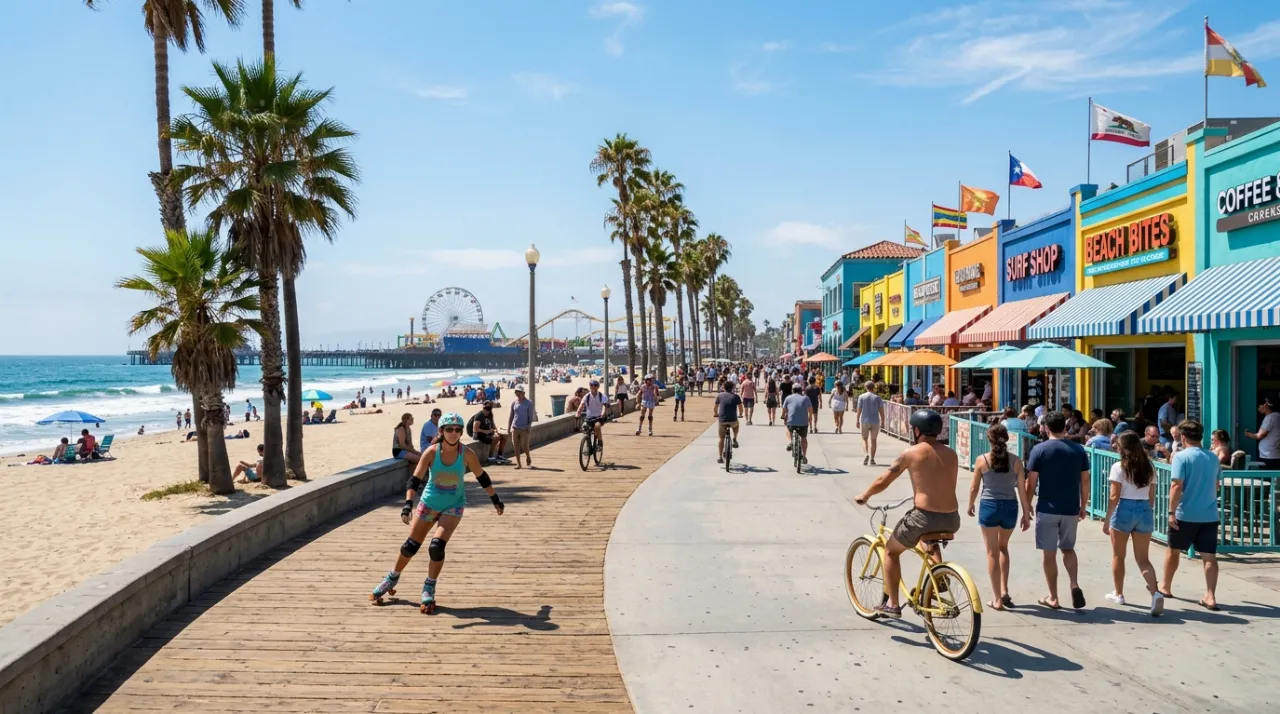
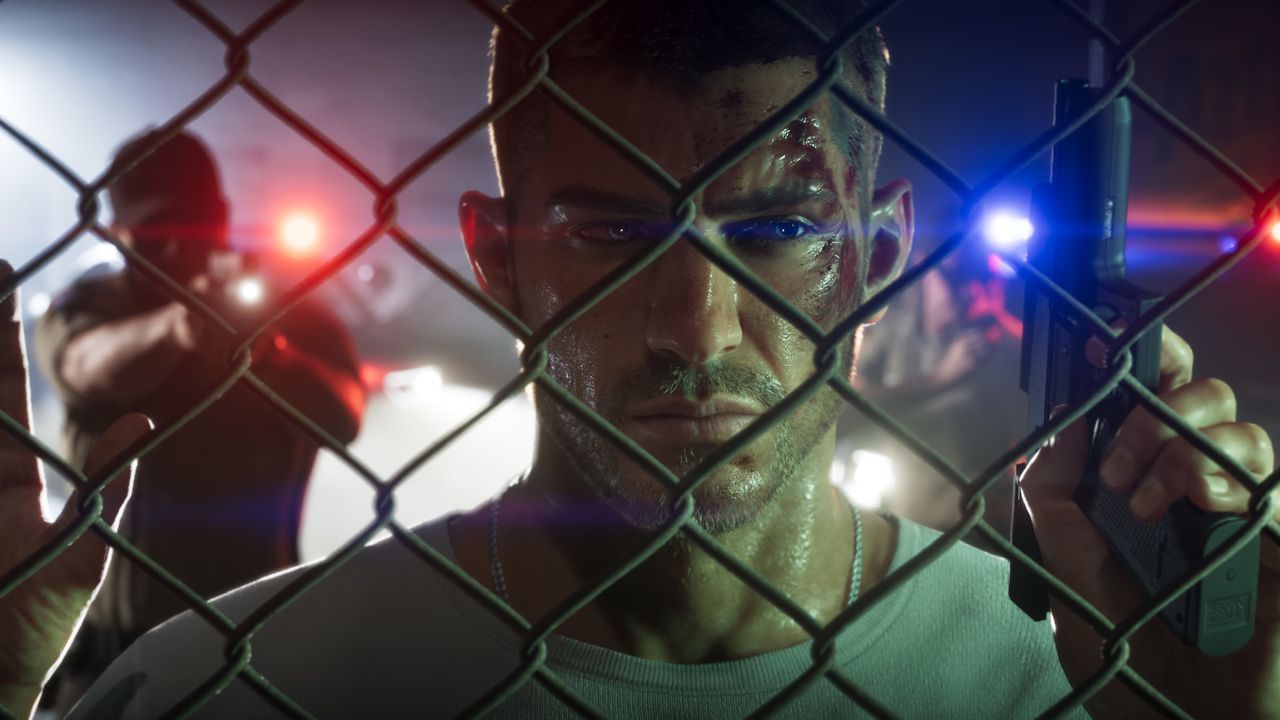
Since its launch in December 2023 with the first trailer, GTA VI has crystallized expectations for millions of players. The second trailer, released in 2025, confirmed an unprecedented protagonist duo: Jason Duval and Lucia Caminos, the latter representing the first leading female hero in the modern GTA series. Rockstar's marketing campaign, typically confined to digital platforms and a few select events, apparently crossed a line: transforming Miami's physical streets into a Vice City backdrop, complete with guerrilla marketing installations, ephemeral street art in Leonida colors, and total urban immersion.
This approach echoes the viral marketing successes of the 2010s — think AAA studio campaigns colonizing city walls to generate buzz. But in 2026, with heightened sensitivity around video game violence and representation, this strategy triggered a chain reaction from local authorities. The project was never officially confirmed by Rockstar or Take-Two, but multiple sources close to the matter reportedly indicated that this idea was gradually abandoned under pressure from law enforcement representatives.
When the Sheriff Says No
Rumor / unconfirmed: According to several unverified local reports, Miami-Dade's sheriff allegedly stated publicly: "We need to seriously reconsider the message we're sending. Transforming our streets into a video game setting where crime is glorified is not acceptable for our community."
This position didn't come out of nowhere. Since Grand Theft Auto's beginnings, municipal authorities have viewed the Rockstar franchise with suspicion. The irony is that GTA has always claimed exaggerated social satire, not actual glorification of crime. But in 2026, amid perceived increases in urban violence in certain neighborhoods, public officials aren't taking any reputational risks.
The local sheriff notably pointed out that young people made up a significant portion of the target audience for this physical campaign, and turning them into actors in a Vice City setting would send a troubling signal: the normalization of criminality in the collective imagination.
Vice City vs Leonida: When Fiction Meets Reality
Leonida: The Fictional State That Looks Too Much Like Florida
Rockstar confirmed that Leonida will be GTA VI's main setting, this fictional state directly inspired by Florida. Vice City, the series' iconic metropolis, will make its grand return within Leonida. But unlike GTA: Vice City (2002), where satire was more absurd and exaggerated, GTA VI pushes graphical and narrative realism to unprecedented levels, thanks to the enhanced RAGE engine.
This proximity to reality poses a problem: when Vice City becomes too identifiable with Miami, when fictional neighborhoods look too much like real ones, the line between satire and representation blurs. Authorities fear that Miami-Dade residents might project GTA VI's criminal universe onto their own reality, or worse, that it might attract tourists seeking an "Vice City experience."
Element GTA: Vice City (2002) GTA VI Leonida (2026) Miami Reality Visual Realism Highly stylized, PS2 graphics Photorealistic, 4K/ray-tracing Modern urban Satire Exaggerated, absurd (80s kitsch) Contemporary, ambiguous Real issues (economy, immigration) Local Identification Weak (temporal distance + graphics) Strong (2026, hyperrealistic detail) Very strong Perceived Public Impact Debates, but accepted Tensions with authorities Real concernThe Immersive Realism Problem
Rockstar has repeatedly explained that GTA VI pushes the boundaries of immersive realism. Confirmed radio stations include V-Rock and other authentic stations. The RAGE engine, used since GTA V and refined for GTA VI, enables physics, climate, and social simulation far more faithful than its predecessors. Jason and Lucia evolve in a hyperdetailed Vice City where every alley, every store, every sign flirts with reminiscence of Miami.
This realism is an undeniable commercial asset — it's precisely what players demand. But it's also what worries authorities: a 12-year-old playing GTA VI in 2026 will experience Vice City as if it were real. The immersion will be such that the distinction between game and reality will blur. And if this Vice City is clearly identifiable with Miami-Dade, then the messages it conveys — criminality, trafficking, violence — could resonate far too strongly.
Creative Freedom vs. Responsibility: An Inevitable Debate
Rockstar, 25 Years of Calculated Provocation
Since Grand Theft Auto III (2001), Rockstar built its empire on satirical provocation and controlled transgression. Each installment sparked scandals, bans, petitions. GTA: San Andreas (2004) faced accusations of racism and misogyny. GTA IV (2008) was criticized for gratuitous violence. GTA V (2013) saw feminist groups rise up against its representations.
But each time, Rockstar argued that it criticized, through satire, the very elements it depicted. GTA violence isn't a product to mindlessly consume; it's a grotesque reflection of actual American society. Crime isn't glorified; it's mocked. Criminal characters are presented as pitiful and pathetic, not as heroes.
This philosophical defense holds, as long as it stays within the game. But a physical, immersive marketing campaign transforming Miami into Vice City steps outside the satirical protected frame. It becomes an urban celebration of the criminal universe, where the distinction between criticism and glorification vanishes.
Previous Marketing Campaign Precedents
Rockstar isn't facing controversy for the first time. Historically, the brand has always pushed boundaries: nude models for GTA V's 2013 promotion, "shocking" campaigns printed on city walls, transgressive event sponsorships. But these initiatives never aimed to physically transform an actual city into a criminal video game setting.
The 2026 difference is crucial: the times are different. Social media amplifies every controversy. Local elected officials face constant pressure from constituents. And video game violence questions have returned to the center of political debate, especially in the United States.
The Stakes for Rockstar and Take-Two Before November 2026
Problematic Timing
GTA VI releases November 19, 2026, a date already confirmed by Rockstar. Between now and then, every incident could affect public perception of the game. If Rockstar insists on a large-scale marketing campaign in Miami, it risks creating controversy that would dominate headlines for months, potentially overshadowing GTA VI's actual gameplay and narrative innovations.
Take-Two, the parent company, is a publicly traded corporation. Bad news affects stock price. Sufficient public pressure from local authorities could justify, for strictly commercial reasons, abandoning the Miami campaign — regardless of ethical considerations.
Standard and Ultimate Editions at Stake
Rockstar confirmed two launch editions: Standard Edition at $79.99 and Ultimate Edition at $99.99. These prices are based on anticipation that GTA VI will be an unprecedented commercial blockbuster. Any pre-launch controversy could affect preorders and, by extension, revenue projections.
Confirmed: Standard ($79.99) and Ultimate ($99.99) editions are officially announced by Rockstar for PS5 and Xbox Series X|S, launching November 19, 2026.
The Absence of Official Comment: Strategic Silence
Notably, neither Rockstar nor Take-Two have publicly commented on this marketing controversy. It's a classic strategy: don't fuel the debate by responding. If the Miami project really existed, current radio silence suggests it was quietly shelved or canceled to prevent escalation.
This cautious approach contrasts with Rockstar's aggressive marketing in the 2000s-2010s. It reveals a company in full maturity, aware of its corporate responsibilities and determined to avoid regulatory or reputational obstacles before a major launch.
The Precedent of Video Game Campaigns and Urban Satire
Case Studies: When Cities Say No
Rockstar isn't the first publisher to face municipal opposition. In 2016, the Pokémon Go phenomenon raised similar concerns: cemetery walls colonized by digital augmentations, "dangerous" neighborhoods becoming game zones. Several cities restricted access to Pokéstops in sensitive areas.
More recently, certain immersive marketing campaigns — from luxury brands or sci-fi franchises — have met with municipal permit refusals. Cities are learning to say no to commercial colonization of public space.
Satire: Legal Protection or Moral Weakness?
Legally, Rockstar could retreat behind First Amendment protection (freedom of expression) in the United States. No law prohibits a satirical marketing campaign. But legal isn't legitimate. Local authorities can refuse permits, limit installations, or exercise political pressure that makes a campaign impractical.
And therein lies the philosophical dilemma: is satire imposed on a community that rejects it still satire, or does it become gratuitous provocation? Rockstar has always maintained that its games dialogue with the public, that satire only works if it's shared, understood, digested. A Miami marketing campaign flatly rejected by local authorities doesn't establish this dialogue; it crushes it.
Global Implications: Europe, Japan, and Future Regulations
GTA VI Won't Arrive Everywhere the Same Way
Rockstar has only announced PS5 and Xbox Series X|S launch for November 19, 2026, without mentioning other platforms or territories. Circulating rumor: a PC release is planned later, perhaps 2027, but nothing is confirmed. However, the debate surrounding the game's promotion in North America could influence European and Asian strategies.
In Europe, notably Germany and the UK, video game regulators (USK, PEGI) are already scrutinizing GTA VI closely. An overly aggressive marketing campaign in Miami could serve as precedent justifying stricter European restrictions. Miami-Dade's refusal may be just the first of many.
Implicit Censorship vs. Explicit Regulation
Rumor / unconfirmed: According to various unofficial reports, Rockstar is studying an altered version of GTA VI for certain Asian markets (notably China), with content removals deemed problematic. No official confirmation to date.
This practice — adapting content to markets — is already well-established. But it raises questions: where does cultural adaptation end and self-censorship begin? If local authorities force Rockstar to modify its marketing campaign, will they have the power to influence the game itself? It's a real risk medium-term.
Protagonists, Engine, and Visual Identity: Why GTA VI Risks Even More
Jason and Lucia: Realistic Characters
Unlike previous GTA heroes — Claude (GTA III), Tommy Vercetti (GTA: Vice City), Carl Johnson (GTA: San Andreas) — Jason Duval and Lucia Caminos are explicitly presented as contemporary criminals, not 80s caricatures or stylized arcadians. Lucia is the series' first leading female hero, a role previously reserved for men. This more inclusive representation is welcome, but it also makes the duo more identifiable, more realistic, thus potentially more problematic for local authorities.
The RAGE Engine: The Curse of Realism
GTA VI runs on the RAGE engine, the same as GTA V but considerably improved. Ray-traced graphics, advanced physics simulation, ultra-realistic non-player AIs — all this creates an immersion no previous GTA achieved. And that's precisely the realism that creates the problem: the more a game resembles reality, the more politically sensitive it becomes.
How This Rejection Affects Anticipation and Preorders
The Secondary Effect: Curiosity and Controversy
Paradoxically, this controversy could amplify interest in GTA VI among hardcore gamers. Censorship, prohibitions, authorities saying no — that's exactly what Rockstar always dreamed of as marketing storyline. Generations of GTA players grew up rejecting authority; here, authority validates their point by being restrictive.
But for mainstream audiences, families, younger players, this incident could create negative brand image: that of a game so transgressive that local authorities refuse it. Preorders could suffer among more cautious segments.
Timeline of Events
- December 2023: First GTA VI trailer announces Vice City's return and November 19, 2026 release
- 2025: Second trailer confirms Jason and Lucia, deepens Leonida lore
- 2025-2026 period (no precise date): Rockstar reportedly proposes marketing campaign physically transforming Miami into Vice City
- Authority rejection: Miami-Dade sheriff publicly opposes, citing concerns about messaging and public responsibility
- Current situation: Official silence from Rockstar/Take-Two; project supposedly shelved or canceled
- November 19, 2026: Global GTA VI launch on PS5 and Xbox Series X|S (only announced platforms)
Sources & Official
- Rockstar Newswire (official site): confirmations of November 19, 2026 release, Standard/Ultimate editions, protagonists Jason and Lucia, State of Leonida, RAGE engine
- Take-Two Investor Relations (official site): official statements on pricing, platforms, commercial strategy
- Official Rockstar Games Twitter/X accounts: trailers, dates, marketing announcements (viewable archives)
- Game Informer, IGN, GameSpot: trailer coverage, community debates (unofficial but reliable)
- Miami-Dade local media (Miami Herald, Local 10 News): reports on authority positions, municipal debates (sources for sheriff rejection rumor)
FAQ
Did Rockstar's Miami Marketing Campaign Really Get Proposed?
Unconfirmed. No official Rockstar statement mentions this campaign. Reports would come from sources close to the matter and local media, but remain credible rumors, not verified facts. Rockstar has never commented.
When Exactly Does GTA VI Release?
November 19, 2026, on PS5 and Xbox Series X|S. This is the official date confirmed by Rockstar. No other platform (PC, Nintendo Switch, etc.) has been announced. A PC release in 2027 circulates as rumor but remains unconfirmed.
What Are the Official Prices?
Standard Edition: $79.99. Ultimate Edition: $99.99. These prices apply to PS5 and Xbox Series X|S for November 19, 2026. No official launch discounts have been announced.
Are Vice City and Leonida the Same Thing?
Technically, no. Leonida is the complete fictional state (equivalent to Florida), and Vice City is its main metropolis — comparable to Miami in reality. GTA VI takes place in Leonida, with Vice City as its star. Both elements are confirmed by Rockstar.