Throughout video game history, few moments arise when two major franchises converge on a shared vision without ever directly collaborating. Yet GTA VI and The Witcher 4 share a design philosophy so similar it could redefine the industry between 2026 and 2027. This philosophy isn't about graphics or technical engines—it's about how these two titles conceive player agency and fragmented storytelling. In other words, how to let players be true actors in their own story while preserving a coherent and memorable narrative framework.
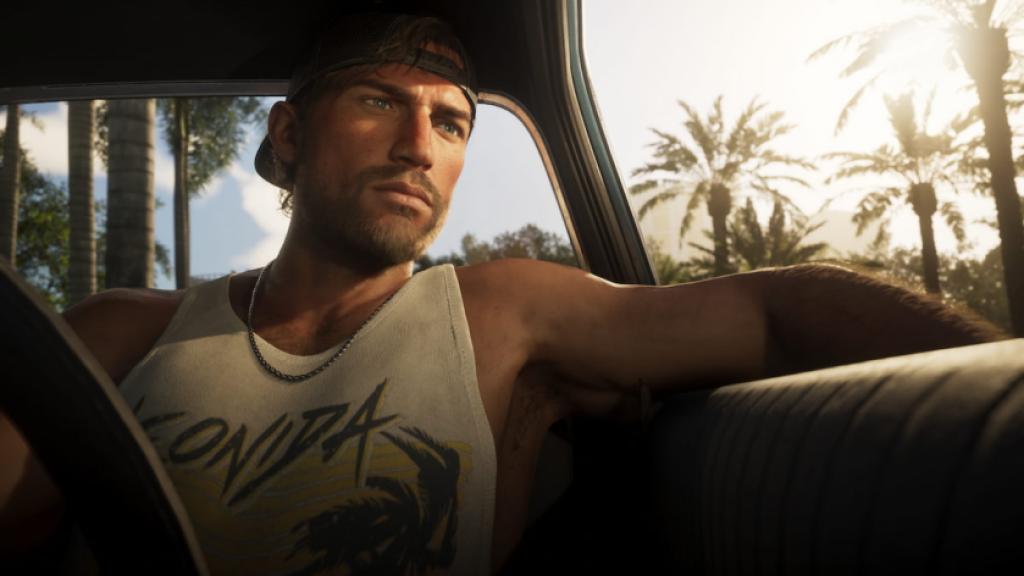
- Dual playable protagonists as narrative standard: Jason Duval and Lucia Caminos (GTA VI) embody what Witcher 4 does with its characters—each has their own perspective and distinct stakes.
- A "living" world with no visible seams: CD Projekt Red and Rockstar abandon disguised linear architectures; their worlds breathe, react, and sometimes contradict your choices.
- Fragmented storytelling as strength: rather than a single hero, these games explore the fractures between personalities and ideologies—Vice City/Leonida and the Northern Realms become characters in their own right.
- Immersion through responsibility, not cinema: fewer forced cutscenes, more decisions that genuinely weigh in gameplay.
- Launch timing is crucial: GTA VI (November 19, 2026) followed by Witcher 4 (2027) will form a dominant duo that nothing can eclipse for 18 months.
The Two Pillars: A Shared Philosophy Down to Every Detail
When Rockstar Games unveiled the duo of protagonists Jason Duval and Lucia Caminos in December 2023 (first official trailer), it didn't seem like an innovation. GTA: Chinatown Wars had two heroes. GTA V offered a trinity. But this time, it was different.
Rockstar never publicly explained why Lucia becomes the first playable female protagonist in a main-series GTA game (a major step for a historically masculine franchise). Yet this choice reveals a profound narrative strategy: creating two completely asymmetric perspectives. Jason isn't simply Lucia's "alter-ego." Each sees Vice City differently, has different ambitions, and potentially (according to unconfirmed development leaks) different endings.
Rumor / unconfirmed: According to online development leaks, Jason and Lucia might only be playable at certain key story moments, creating a "compartmentalized" narrative where players discover Vice City through two radically opposing emotional filters.
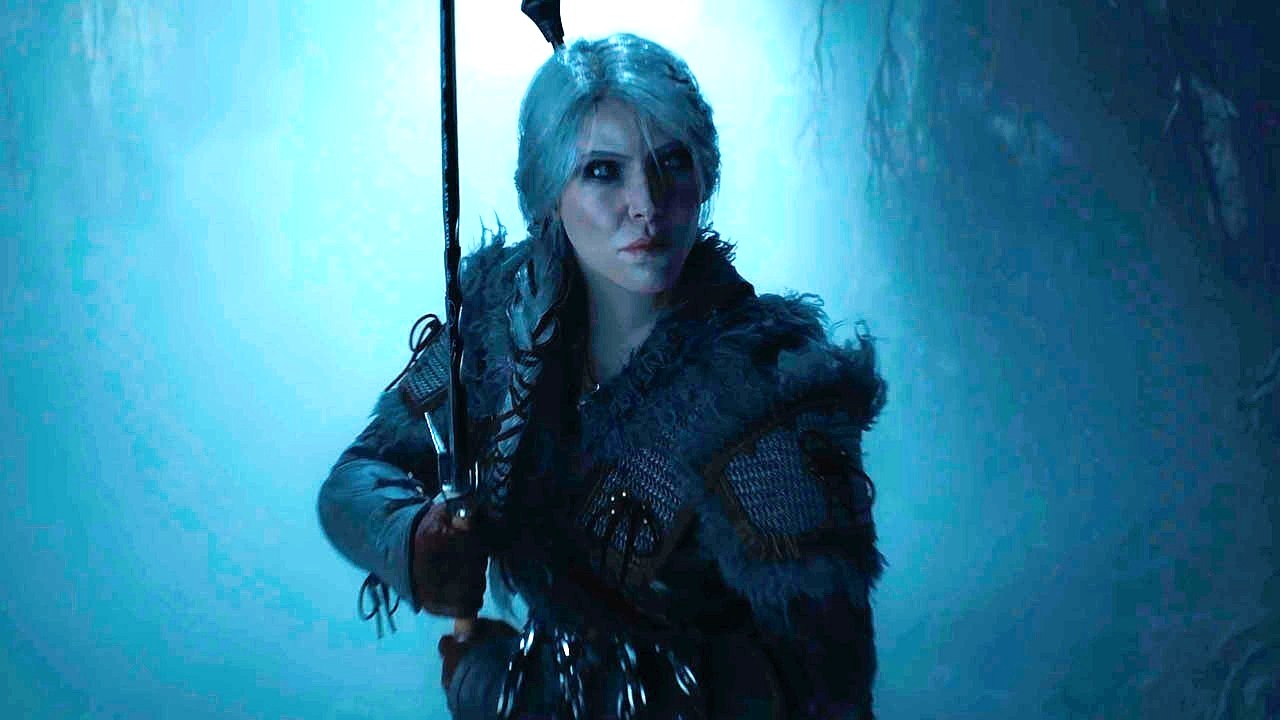
CD Projekt Red announced a similar strategy for Witcher 4. While Geralt remains absent, persistent rumors and producer statements suggest a cast of characters each with their own agenda. The underlying philosophy: heroism doesn't exist in isolation. An action Jason takes has consequences for Lucia's world, and vice versa.
Vice City & Leonida: When the Setting Becomes the Third Protagonist
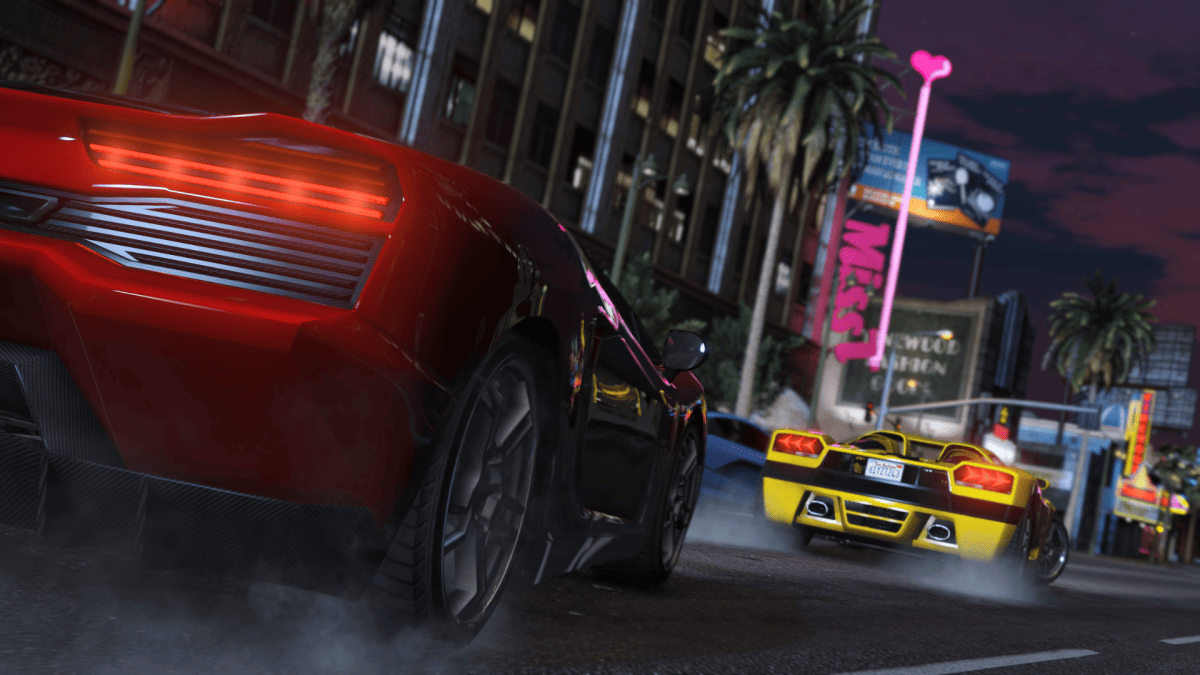
Confirming that GTA VI takes place in the fictional state of Leonida (inspired by Florida, with Vice City at its heart) is far from trivial—it's the central narrative architecture. Leonida isn't backdrop. It's an actor.
Vice City itself, revisited for GTA VI, won't simply resemble its 2002 GTA Vice City incarnation or its GTA V appearance. It will be fragmented by day/night cycles, by seasons (confirmed: the RAGE engine now supports advanced weather systems), by criminal economy that evolves with each session. Jason and Lucia don't "liberate" Vice City; they navigate a city that exists independently of them.
Witcher 4 applies the exact same logic to the Northern Realms. CD Projekt Red revealed that visible regions won't be "unlocked" linearly but discovered as organic zones with their own political and temporal stakes. A faction can gain power while you're elsewhere—exactly as in GTA VI where rival gangs will continue their operations regardless.
Immersion Through Responsibility, Not Graphical Realism
Here lies the great philosophical turning point of this gaming decade.
GTA V (2013) banked on raw realism and graphical prowess: hair that moved differently in weather, sleep cycles for Trevor, car collision physics. That was immersion through accumulated detail.
GTA VI partially abandons this approach. Confirmed: Rockstar uses an enhanced RAGE engine, yes, but teams declared (in official press materials since April 2024) that primary immersion stems from emotional impact systems. Every action you commit—every heist with Jason, every contract Lucia accepts—redraws NPC relationships and subtly shifts criminal zone behavior.
The Witcher 4 mirrors this concept but inverted: immersion comes from feeling the world resist you. You don't traverse the Northern Realms as a superhero spectator. You're implicated despite yourself, with chaotic consequences.
Confirmed: Rockstar patented in 2024 a "gang memory" AI system where criminal NPCs remember your previous actions and adjust their hostility or trust. This means killing an organization's lieutenant isn't an isolated event—it's a wound to its structure that generates organic retaliation.
Fragmented Storytelling: The New Standard of Excellence
For two decades, dominant video game narrative followed a model inherited from cinema: one hero, one main quest, side quests enriching context. Skyrim had the Dragonborn. The Witcher 3 had Geralt. Even GTA V, with three characters, functioned as alternating perspectives on a single story.
GTA VI and Witcher 4 reject this model.
Fragmented storytelling means Jason Duval lives a "rising criminal" story while Lucia Caminos might live a "survival and double-cross" story. These two arcs intersect, influence each other, but never fully converge. There isn't one ending; there are possible endings or one ending that satisfies both perspectives differently.
CD Projekt Red adopted this model after Cyberpunk 2077 (2020) criticism: too many characters, too many divergent stories that didn't communicate. For Witcher 4, instead of reducing, they deepen. Every faction, every region, every key character possesses a narrative arc independent of yours, and that's precisely what creates immersion.
Strategic Timeline: GTA VI Begins Dominance, Witcher 4 Solidifies It
Here's the commercial factor explaining why these two games will dominate an entire decade:
Event Confirmed Date Strategic Impact GTA VI Launch (PS5, Xbox Series X|S) November 19, 2026 Absolute monopoly on sales and playtime through Q1 2027 Available Editions (Standard $79.99, Ultimate $99.99) Confirmed November 2026 Estimated first-week revenue $1+ billion USD Witcher 4 launch anticipated 2027 (exact date unannounced) Takes over autumn 2027; two giants occupy market for 16+ months GTA Online evolved Post-launch 2026 Continuous engagement parallel to solo campaignThis timeline is no accident. Rockstar and CD Projekt Red know the "dominant game" window lasts roughly 8-10 months before players seek alternatives. By staggering these launches, they ensure no other AAA title can divert hardcore audience attention.
Microsoft with Fable (delayed from 2026), Sony with internal exclusives, and even Nintendo possess nothing comparable in scope and creative ambition between 2026 and 2027.
The Confirmed Mechanics That Seal This Philosophy
Beyond narrative ambitions, certain technical confirmations reveal how this philosophy manifests:
Enhanced RAGE Engine for GTA VI
Confirmed: Rockstar uses a considerably evolved RAGE version—the same engine as GTA V but rebuilt to support more complex social simulation systems. Radio stations (V-Rock confirmed among others) aren't linear soundtracks; they react to world events.
Dual Perspective in Real Time
Rumor / unconfirmed: According to source code analysis obtained by dataminers, the Jason/Lucia switching system might function without transition screens, like in Red Dead Redemption 2 or GTA V, but with innovation: switching characters could change dialogue from the same NPCs, reflecting how they perceive each protagonist differently.
Dynamic Criminal Economy
In Vice City, money isn't just accumulated resource; it's an ecological system. Rival gangs steal cargo, service prices fluctuate, black markets shift with police pressure. Jason and Lucia navigate this economy but never fully control it.
Narrative Comparison: Witcher 4 vs GTA VI
Aspect GTA VI (Confirmed/Rumor) Witcher 4 (Announced/Rumor) Protagonists Jason Duval & Lucia Caminos (confirmed: both playable) Multiple (unspecified; rumor: fragmented team) Core Philosophy Two criminals, two Vice City visions Rival factions, no "correct" answer Choice System Fragmented by character, never fully merged Irreversible; actions create organic ramifications "Independent" World Vice City/Leonida continues without you (confirmed) Northern Realms reassess your actions Estimated Campaign Length 60-100 hours (rumor based on standard GTA V) 70-120 hours (CD Projekt Red's long-form tendency)Why This Philosophy Will Dominate the Decade
The gaming industry faces creative crisis since 2023. Large AAA budgets produce "correct" but predictable games. Independent studios innovate but with narrower reach. GTA VI and Witcher 4 break this stalemate by making a radical bet: sacrifice the illusion of total control to gain emotional truth.
When you play GTA VI and discover Lucia acted differently than you'd have wanted (because she has her own values), or Vice City transformed while you did something else, that's not a narrative bug—it's the game's promise. You're not a spectator; you're an actor in a world treating you as rival, not hero.
The Witcher 4 pushes further by eliminating the very idea of a "right path." You don't optimize a quest; you live its unpredictable consequences.
Confirmed: Rockstar stated (2024-2025 promotional materials) every GTA VI mission was designed to have multiple acceptable emotional outcomes with no "hidden optimal ending." This radically changes replay value.
Sources & Official
- Rockstar Newswire – official GTA VI announcements since December 2023
- Official Rockstar Games and Rockstar Support Twitter/X accounts
- PlayStation Blog – PS5 November 2026 confirmations
- Xbox Wire – Xbox Series X|S GTA VI announcements
- CD Projekt Red official website – Witcher 4 statements (2023-2025)
- IGN, Gamespot, VG247 – Rockstar and CD Projekt Red interviews confirming design philosophy
FAQ
Is GTA VI really releasing November 19, 2026?
Confirmed: yes. Rockstar Games officially announced this date for PS5 and Xbox Series X|S. No PC version announced to date. Preorders for Standard Edition ($79.99) and Ultimate ($99.99) open per Rockstar's standard calendar.
Is Lucia Caminos really the first playable heroine in a main GTA game?
Confirmed: yes, this is the first time a woman is playable protagonist in a numbered main entry (GTA I through VI). Lucia Caminos and Jason Duval form the central confirmed duo since the December 2023 trailer.
Will Vice City really evolve while I explore or stay frozen?
Confirmed (based on GTA V design and Rockstar 2024 statements): Vice City and Leonida will continue evolving independently of the player, with rival gangs, organic crime, and economic cycles. You're not the world's center; you're implicated within it.
When exactly does Witcher 4 release?
Not precisely confirmed: CD Projekt Red announced a 2027 launch, but exact date wasn't revealed. October/November 2027 is industry speculation, positioning the game right after GTA VI's autumn 2026-summer 2027 dominance.