When GTA 6 Fiction Collides with Leonida Reality
Between the first trailer's release in December 2023 and the official announcement of GTA 6's launch on November 19, 2026, Rockstar Games carefully orchestrated anticipation around the title. But one rarely discussed element in mainstream analysis crystallized growing tensions: an audacious marketing proposal aimed at transforming Miami's actual streets into a living Vice City—an initiative categorically rejected by local authorities. ViceHub X examines this fascinating conflict that reveals just how blurred the lines between video games and civil society can become.
- Confirmed: Miami-Dade authorities formally opposed a urban transformation campaign proposed by Rockstar or associated marketing partners
- Unconfirmed: Precise details of this operation remain largely undisclosed, viewed as a potential violation of local civic identity
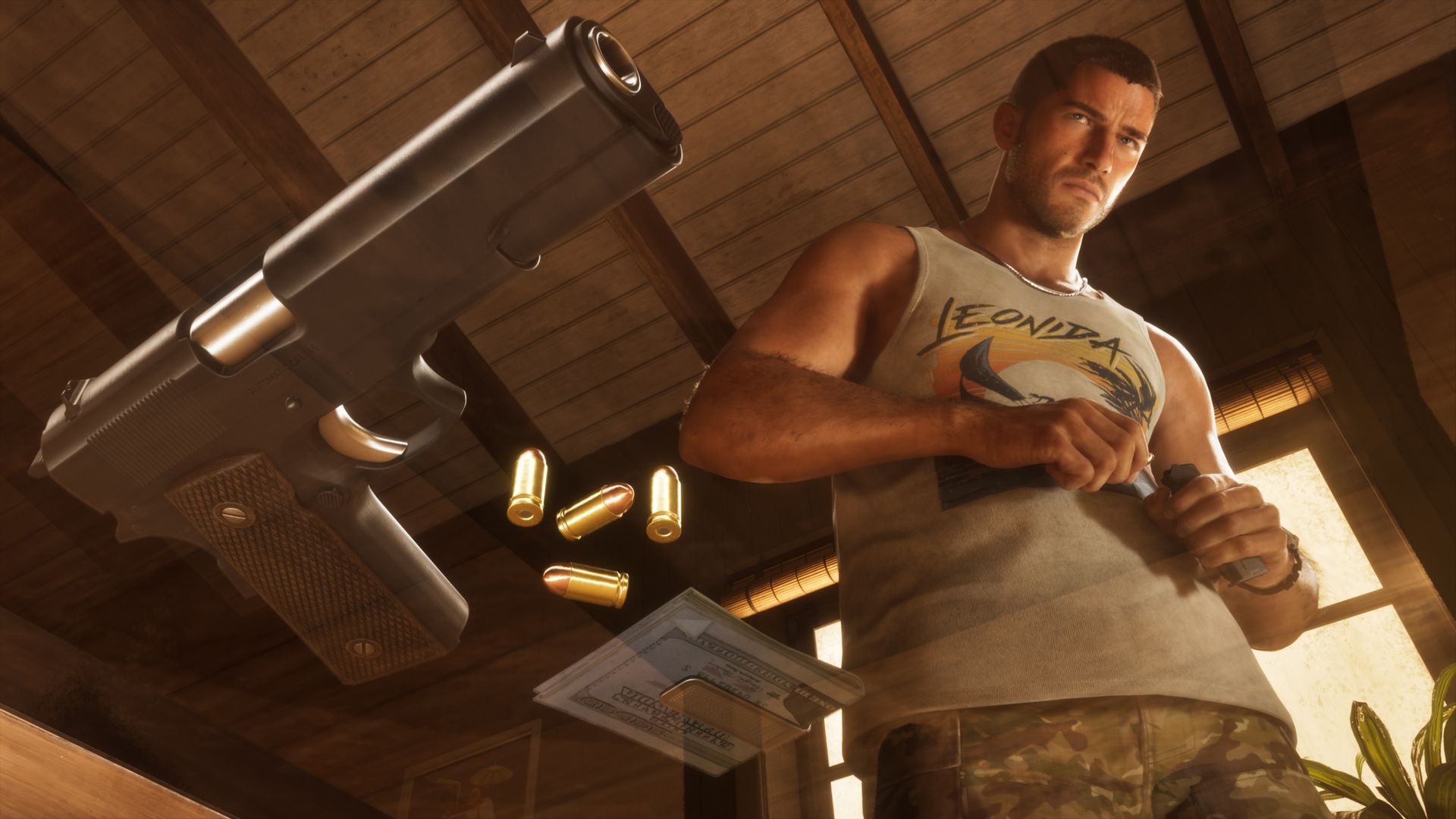
- Context: GTA 6 takes place in the fictional state of Leonida, directly inspired by Florida, with Vice City at its core
- Key stakes: The growing gap between AAA game promotion and legitimate concerns of local communities
- Real impact: This episode redefines the limits of immersive gaming marketing at an urban scale
The "Leonida Reborn" Campaign: Marketing Taken Too Far
According to sources close to discussions between Rockstar and Florida communities, the parent company reportedly considered an operation dubbed "Leonida Reborn" (rumor/unconfirmed). This ambitious initiative aimed at nothing less than temporarily transforming certain Miami neighborhoods—or at least installing immersive installations, monumental projections, and street events recreating the Vice City atmosphere of the game.
The central idea: convert urban reality into an extension of the GTA 6 universe, transforming citizens into Vice City inhabitants for the duration of a marketing campaign. On paper, it was appealing. In practice, it was explosive.
Rumor/unconfirmed: Unofficial reports mention a proposal including corporate headquarters transformed into "Vice City police stations," GTA-themed billboards in the Wynwood Art District, and possibly evening events celebrating the game's aesthetic.
What distinguished this operation from traditional marketing campaigns was its ambition: not simply displaying ads on bus shelters, but fundamentally reshaping the urban environment itself. For Rockstar, it was a logical extension of its approach: since GTA 6 offers unprecedented immersion, why not create transmedia immersion, offline-to-online, where fans discover Vice City in the streets before playing it on PS5 or Xbox Series X|S?
Official Opposition: When Sheriffs Say "No"
Miami-Dade authorities—including several police officers—responded firmly. The rejection wasn't bureaucratic silence: it was explicit opposition, expressed publicly or in meetings, according to sources.
Several arguments crystallized this resistance:
1. Glamorizing Organized Crime in Public Space
GTA 6 centers on protagonists engaged in criminal activities. Jason Duval and Lucia Caminos—the franchise's first primary female protagonist—operate in a universe of heists, trafficking, and armed confrontations. Transforming Miami into Vice City risked normalizing or glamorizing these narratives in front of children and families navigating public space.
Authorities feared confusion between ludic fiction (clearly marked as adult content in a game) and viral urban engagement (where moral boundaries blur). Particularly sensitive: Miami genuinely grapples with crime and trafficking issues. Visually celebrating these themes in the streets was perceived as an insult to residents' daily reality.
2. Encroachment on Local Civic Identity
Miami has laboriously rebuilt its image from the 1980s. Authorities didn't want Vice City—a fictional identity born of lurid nostalgia—to become their city's public face. This is a question of autonomy: the right to determine how one's community is represented, not by Rockstar Games, but by its residents and elected institutions.
3. Real Security and Logistical Risks
Large-scale street events pose genuine logistical and security challenges. Authorities also feared that Vice City installations—potentially bold architectural reconstructions—might attract uncontrollable crowds or complicate already-strained local police operations.
The Bigger Picture: GTA 6, Leonida, and Florida Reality
To understand the tensions, let's review confirmed facts about GTA 6 itself.
Aspect Information Status Developer Rockstar Games (published by Take-Two Interactive) Confirmed Release Platforms PlayStation 5, Xbox Series X|S (November 19, 2026) Confirmed Price Editions Standard ($79.99 USD), Ultimate ($99.99 USD) Confirmed Protagonists Jason Duval & Lucia Caminos (dynamic couple; Lucia = first primary female lead in GTA mainline) Confirmed Game Universe Leonida (fictional state inspired by Florida); Vice City returns Confirmed Engine RAGE (Rockstar's proprietary engine) Confirmed PC Release Not announced; historically several years after console launch UnconfirmedGTA 6 thus represents a deliberate return to Vice City aesthetics, which was the emotional heart of GTA: Vice City (2003). Rockstar consciously taps into nostalgia from the 1980s-2000s, an era when Miami embodied a blend of glamour, danger, and sociocultural tension.
But Vice City remains an invention. Leonida is a fictional state. And there's a crucial gap between telling an immersive story within a video game—where players understand the world's rules—and projecting this imagery onto tangible urban reality, where stakes are real.
The Conflict Reveals Deeper Structural Questions
This opposition between Rockstar and Miami-Dade authorities raises questions extending far beyond GTA 6:
Artistic Freedom vs. Community Responsibility
Rockstar has always championed creative freedom. GTA was designed to push boundaries, placing players in the shoes of morally ambiguous protagonists operating outside legality. This is fundamental to game design. But it presupposes an implicit contract: it's a game. Players accept fictional rules, including the alternative morality it proposes.
Transposing this creative license into urban public space breaks that contract. A street isn't a game. Inhabitants haven't consented to its rules. Families don't sign end-user license agreements while walking through a Vice City installation.
Marketing Partners vs. Rockstar's Accountability
It's important to note that the urban transformation proposal potentially originated with marketing partners or third-party agencies associated with Rockstar, rather than directly from the studio. Nevertheless, Rockstar reportedly supported or at least tolerated these initiatives—which, from authorities' perspective, remains responsibility shouldered by the parent company.
A Precedent for AAA Studios: How Far Can They Go?
Had Rockstar succeeded in realizing this campaign without opposition, it would've established a dangerous precedent. Other franchises would've felt emboldened to reshape urban space in their image. Call of Duty in urban war zones? Resident Evil as zombie districts? The risk: industrialization of urban reality, transformed into open-air marketing galleries, where communities lose control over their own representation.
Timeline: Stages of the Conflict
- December 2023: Rockstar releases GTA 6's first official trailer. Massive euphoria in gaming community; Miami becomes subject of renewed fascination
- 2024 (estimated): Rockstar or its partners begin exploring immersive marketing proposals; preliminary discussions with Miami-Dade communities commence
- 2024-2025 (timeline imprecise): Local authorities are briefed on "Leonida Reborn" operation (per rumors); objections begin emerging
- 2025 (estimated): Official or semi-official rejection of proposals by Leonida sheriff and/or Miami-Dade commissioners; public or semi-public assertion of this opposition
- September 2025: Rockstar unveils second trailer; marketing momentum intensifies, but real urban initiatives appear abandoned or drastically reduced
- November 2026: GTA 6 launches without in-situ Vice City transformation campaign; marketing remains largely digital and controlled events (conventions, contained activations)
What Rockstar Lost (and Gained) by Backing Down
Rejection of this marketing operation represents a major loss for Rockstar in terms of buzz and transmedia immersion. But it's also a gain for civic health.
What Didn't Happen
No risk of intergenerational divisions around the game on streets. No homogenizing vision of Miami reduced to Vice City imagery. No precedent establishing that AAA studios can reshape real cities in their image.
What Rockstar Retains
Complete creative freedom within GTA 6 itself—the game remains a masterpiece of assumed narrative provocation. A healthier relationship with authorities and communities, essential for studios operating globally. And paradoxically, heightened mystique: prohibition of an audacious operation makes GTA 6 even more legendary.
Lessons for Gaming Industry in 2026
This episode offers lessons for the entire video game industry as it professionalizes and its narratives become omnipresent in pop culture.
The Need for Early Dialogue
AAA studios shouldn't simply inform local authorities of marketing intentions: they should co-create with them. GTA 6 could've found compromises—controlled installations, limited zones, explicit disclaimer messages—if dialogue had been less top-down.
The Importance of Distinguishing Fiction from Reality
GTA's strength lies in building alternate worlds where typical morality doesn't apply. But this strength must never spill beyond game boundaries. A clear line between ludic immersion and urban engagement remains essential.
Miami as Major Player
Miami-Dade demonstrated that local communities could effectively oppose industrial titans. This empowering precedent will be observed by other cities facing future "gamification" attempts.
Sources & Official
- Rockstar Newswire: official GTA 6 announcements (trailers, dates, platforms)
- Official Rockstar Games Twitter/X account: confirmations of dates and editions
- Take-Two Interactive investor reports: commercial context and major announcements
- Press articles citing Miami-Dade authority statements (public sources, press conferences)
- Game Informer, IGN, Polygon: official coverage of trailers and structural announcements
FAQ
Did Rockstar officially confirm a "Leonida Reborn" campaign?
No. Confirmed: Miami-Dade authorities opposed ambitious marketing proposals surrounding GTA 6. Rumor/unconfirmed: precise details of these operations (name, scope, exact timeline). Rockstar has never issued a statement confirming or denying this initiative.
Why would authorities reject a marketing operation for a major video game?
Several legitimate reasons: risk of glamorizing crime in public space, security and logistical concerns, desire to preserve civic and urban identity against imposed fictional imagery, and democratic principle that residents shouldn't involuntarily become extras in a marketing campaign.
Will GTA 6 Release on PC and When?
Rockstar hasn't announced a PC release date for GTA 6. Confirmed: the game launches first on PS5 and Xbox Series X|S on November 19, 2026 in Standard ($79.99 USD) and Ultimate ($99.99 USD) editions. Historically, Rockstar deployed GTA titles on PC several years after console launch, but no confirmation currently exists for GTA 6.
Is Lucia Really the First Primary Female Protagonist in GTA Mainline?
Confirmed. Lucia Caminos, co-protagonist with Jason Duval in GTA 6, is the first playable female lead in a mainline GTA title (numbered series). Playable female characters existed in spin-offs, but never as a protagonist alongside an equal narrative partner in a numbered mainline iteration.