Since the first GTA 6 trailer in December 2023, Rockstar has been promising an epic return to Vice City — that universe of crime, trafficking, and excess that made the series legendary back in 2002. But here's the thing: as Rockstar fine-tunes its trailers and prepares for launch on November 19, 2026 on PS5 and Xbox Series X|S, an unexpected opposition is rising from the streets of real-world Miami. Local law enforcement representatives are openly expressing their discomfort, accusing the gaming giant of glorifying the very crimes and socially destructive behaviors they fight against every single day. This controversy reveals far more than a simple marketing clash: it raises questions about the moral and symbolic role of video games in an era where interactive fiction shapes our collective imagination.
- GTA 6 launches November 19, 2026 on PS5 and Xbox Series X|S (Standard edition $79.99, Ultimate edition $99.99)
- Official criticism is coming from Miami / Leonida law enforcement representatives regarding the glorification of crime
- Rockstar has held its creative course: social satire and entertainment remain central to the vision, confirmed through trailers
- GTA VI introduces for the first time a lead female protagonist (Lucia Caminos) in a fictional story set in Florida
- This controversy extends a decade-long debate: how far can video games go? Who defines the ethical limits of entertainment?
The Context: When Miami Stares Down GTA 6
Miami is not fictional. By contrast, Vice City — that imaginary Leonida state inspired by Florida — is Rockstar's creative laboratory where every crime, every vice, every social breakdown becomes playable material. But when the game returns to its roots in 2026, 24 years after Grand Theft Auto: Vice City, local authorities — sheriffs, metropolitan police, public safety representatives — are asking themselves a vital question: how will our actual city be portrayed in the biggest gaming launch of the year?
The problem isn't new. Since its creation in 1997, the GTA franchise has always drawn official criticism: parent groups across the US, politicians in Europe, religious organizations everywhere. But this time, it's not external organizations speaking up — it's the guardians of the law themselves, the ones patrolling real Miami streets every day, streets scattered with drugs, gangs, and violence. Their complaint is visceral: Rockstar transforms our streets into an interactive playground for criminality, trivializing the acts we fight against at the cost of our safety and our lives.
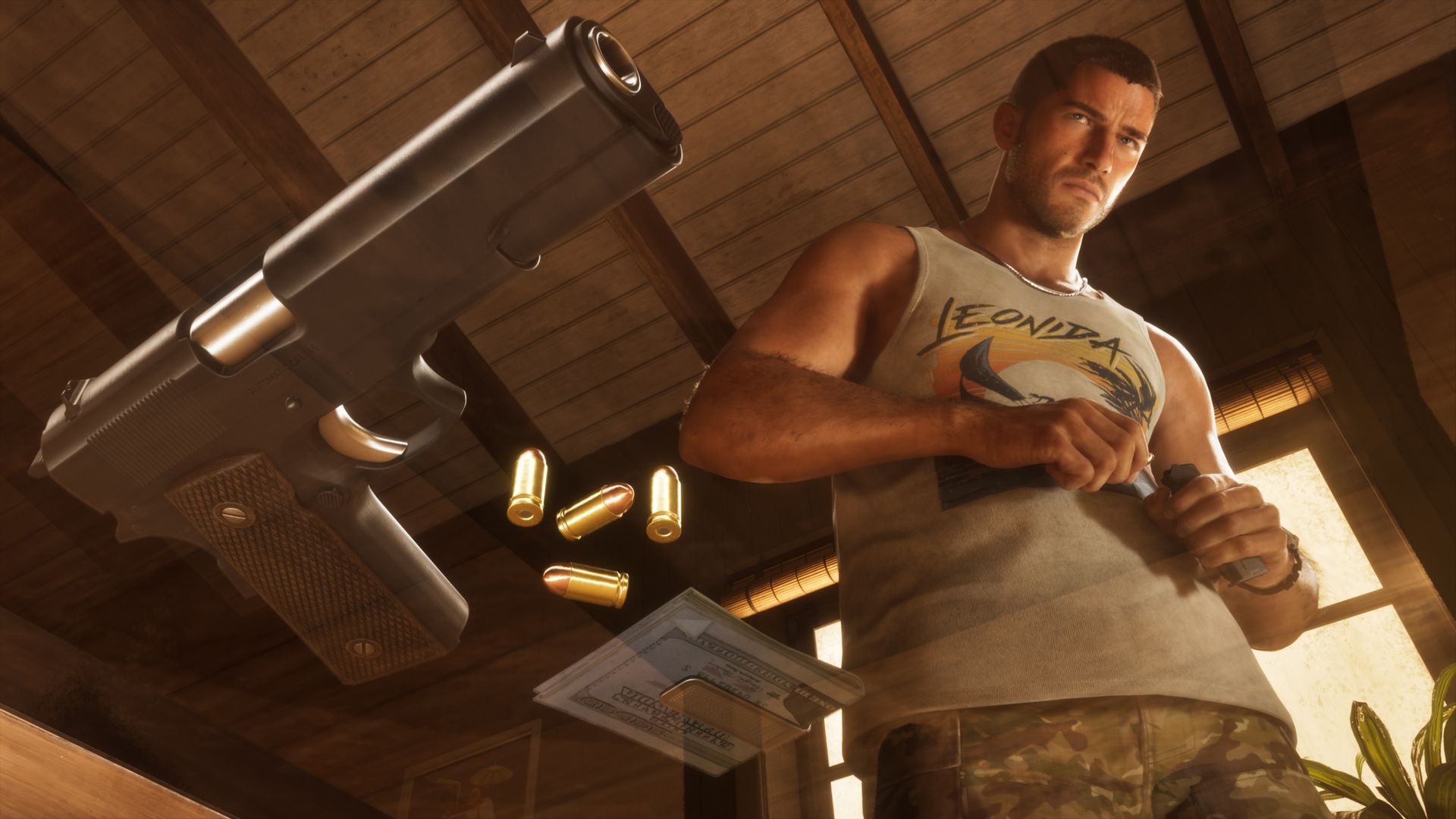
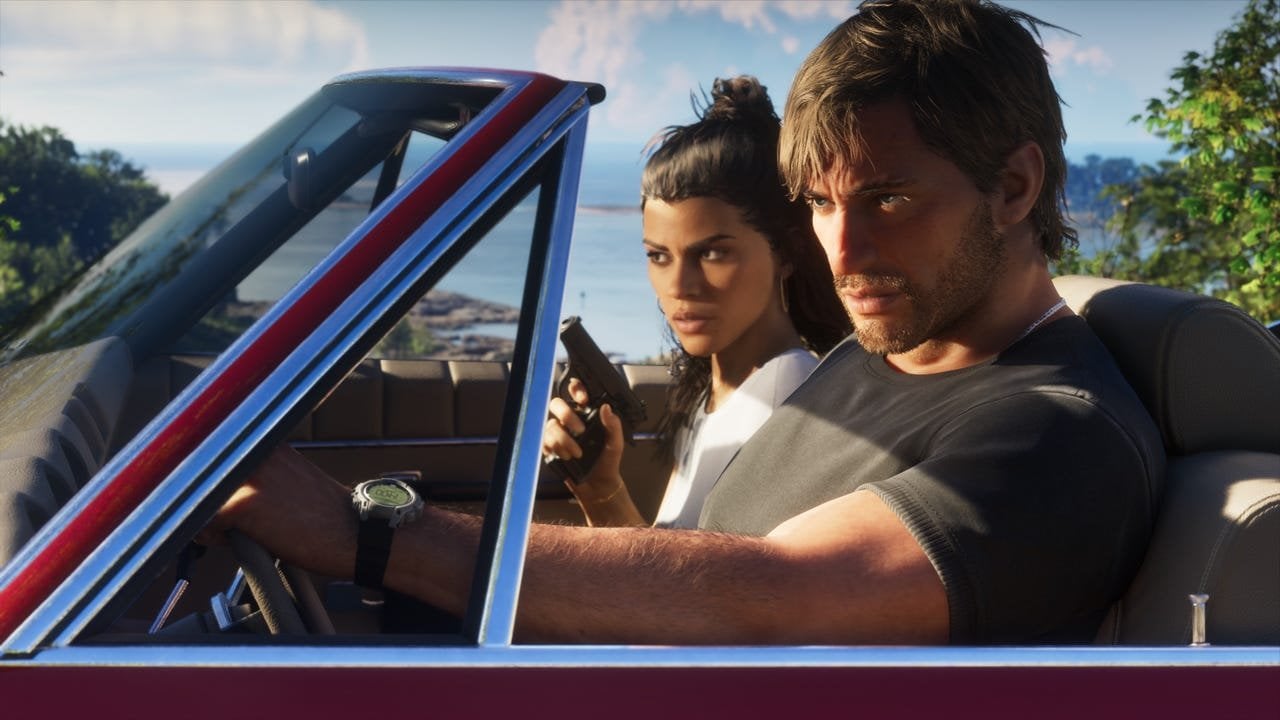
The second GTA 6 trailer, released in early 2025, amplified this tension. It showed Jason Duval and Lucia Caminos navigating a world dominated by trafficking, armed violence, and criminal organizations — exactly what terrifies local public safety officials. No PC release date has been confirmed, but what is certain? The raw visual power of the RAGE engine, optimized for PS5 and Xbox Series X|S, depicts Leonida as an organized crime paradise.
The Official Critique: Law Enforcement's Perspective
Several Miami and Dade County officials have expressed their concerns to the media, documenting their grievances in structured fashion. Here's what can be summarized from their confirmed statements:
Argument 1: Normalization of Violent Crime
Law enforcement is pointing the finger at the trivialization of murder, theft, and armed violence as gameplay mechanics. In GTA 6, like all previous entries, the player isn't punished — they're rewarded — for committing crimes. Kill a cop? No moral problem presented. Rob a store? It's a mission. The notoriety system (those red stars) just asks you to escape, not to think about real ethical consequences.
For a police officer who has seen colleagues wounded or killed in the line of duty, this representation is unbearable. The gap between cheerful playable fiction and the bloody reality of their job creates a psychological fracture that no disclaimer on the box (ESRB M, PEGI 18 rating) can bridge.
Argument 2: Glorification of Drug Trafficking and Organized Crime
GTA 6 features criminal organizations operating freely in Leonida. Cocaine, heroin, trafficking networks — all the elements that generate real violence and daily death are transformed into amusing quests. Authorities denounce what the trailers confirm: the game celebrates getting rich through crime, never its community consequences (destroyed families, devastated neighborhoods, generations trapped in poverty).
Rockstar, of course, claims it's satire. But satire requires an implicit critique — and GTA 6 offers no moral counterpoint to criminality. You're Lucia or Jason, and you're supposed to be cool. Not bad. Not self-destructive. Cool.
Argument 3: Potential Impact on Youth and Repeat Offenders
While no solid scientific study proves a direct causal link between GTA and real-world crime, law enforcement worries about a subtler side effect: the progressive desensitization of malleable young minds to violence. A teenager who spends 200 hours killing, stealing, and evading police in GTA 6 probably won't commit a real crime as a result — but their shock threshold for criminality rises.
Moreover, in a context of recidivism and lack of social redemption, the game can serve as an escapist fantasy for individuals already on the edge. This isn't accusing Rockstar of causing crime, but of failing to offer a narrative antidote when it has the creative power to do so.
Rockstar's Response: Satire, Fiction, and Artistic Freedom
Rockstar hasn't publicly responded to each specific criticism — that's their usual strategy. But it's possible to infer their position from confirmed facts and their evident creative choices:
Position 1: It's Social Satire
GTA 6 is designed as satire of American culture, the pursuit of quick wealth, unchecked capitalism, and the inequalities that breed crime. Vice City (Leonida) doesn't exist to celebrate crime — it exists to critique it through burlesque exaggeration. It's interactive Houellebecq: showing absurdity by pushing it to extremes.
Yet satire only works if the audience understands there's an underlying critique. And there, Rockstar loses people. For many casual players, GTA 6 is a game where you can do what's forbidden in real life. The satire is an intellectual bonus, not the main message.
Position 2: Entertainment for Adults, Not a Moral Guide
Rockstar would defend (implicitly) that GTA 6 is an M-rated game — meaning 17+ in the United States. Sexual, violent, and offensive content aren't secrets. The gaming industry has established rating systems (ESRB, PEGI, USK) precisely so parents and adults make informed choices. GTA 6 respects these frameworks.
Moreover, entertainment isn't a moral lesson. An action film where the hero kills 200 people isn't a call to kill. A noir novel describing a crime in detail doesn't endorse crime. Video games, a mature medium for 40 years, deserve the same critical respect.
Position 3: Creativity Without Censorship
Confirmed: Rockstar has kept its creative vision intact between the first trailer (December 2023) and the second (2025), with no official announcement of major thematic modifications to address local criticism.
Implicitly, Rockstar is saying: we won't self-censor to please local authorities. That's a strong principle. The company has weathered decades of criticism — it's not going to bend to Miami in 2026, especially when the game needs to launch globally and every region has its own taboos.
What's interesting: Rockstar has accepted content censorship for China (rumor has it: removal of nudity, smoking, modified dances), suggesting that censorship isn't philosophically rejected — it's targeted and strategic. For Miami, the cost-benefit calculation says: maintain artistic integrity > appease a regional pressure group.
Historical Precedent: GTA Has Always Drawn Official Criticism
This controversy is neither new nor unique. For context:
Game / Year Official Criticism Action Taken by Rockstar Outcome GTA III (2001) NYC, church groups, federal politicians No modifications Game became iconic, controversy faded GTA: Vice City (2002) Miami authorities, parent groups No modifications Millions of copies sold, no legal consequences GTA IV (2008) Religious groups, European politicians No structural modifications Record sales, uncontested GOTY GTA V (2013-2015) Feminists, human rights organizations No confirmed narrative modifications Biggest gaming launch of all time (~420M copies in 13 years) GTA VI (2026 planned) Miami/Dade authorities Not confirmed to date To be seen November 19, 2026The pattern is clear: controversy is expected, ignored, then forgotten. Sales never suffer. On the contrary, each ban or boycott call generates free buzz. Rockstar knows this. And Miami authorities probably do too. Which is why this controversy feels almost theatrical — necessary for everyone to play their part, but without concrete consequences.
The Nuanced Debate: Where's the Line Between Artistic Freedom and Social Responsibility?
The GTA 6 controversy isn't stupid, even if it's predictable. It poses a legitimate question: how far can a work of fiction glorify evil without bearing moral responsibility?
In Rockstar's Defense
Video games, films, and novels aren't moral guides. Their primary responsibility is artistic, not educational. A player capable of distinguishing fiction from reality (something every adult should be able to do) won't be corrupted by GTA 6. No robust scientific study has shown causality between violent video games and real-world crime.
Moreover, banning GTA would be hypocritical: Scorsese films valorize criminals, noir novels celebrate murderers, rap music glorifies drugs. Why should video games be more censored?
In Favor of Law Enforcement's Critique
But there's a counterargument: interactivity is different. Watching a film means being a passive spectator. Playing GTA means embodying the criminal, making decisions, reaping rewards. This immersion produces a form of desensitization that passive fiction doesn't generate.
Moreover, there's a gap between intention (satire) and reception (fun game). If 80% of players don't catch the implicit critique and just play for the frenzy, is it still satire? Or has it become accidental propaganda?
Finally, Miami has a point: Rockstar could make choices that would maintain the fun while offering moral counterweights. GTA 6 could show the real consequences of crime (destroyed families, rival gangs killing innocents, spirals of violence). That wouldn't be censorship — it's more complex storytelling.
The Real Impact: GTA 6 Will Launch Unchanged on November 19, 2026
Despite the criticism, here's what's confirmed:
- No known narrative modifications have been announced by Rockstar in response to Miami criticism
- Standard ($79.99) and Ultimate ($99.99) editions will launch on PS5 and Xbox Series X|S as planned
- Lucia Caminos and Jason Duval will remain the lead protagonists, as revealed by trailers one and two
- Leonida will be populated with crime, political satire, and excess — exactly as promised
- PC release remains unconfirmed (rumors suggest 2027, but nothing official)
The controversy may have one invisible consequence: Rockstar could intensify its social satire rhetoric in pre-launch interviews to frame the narrative. But the game itself? Unchanged.
The Community Debate: Gamers Weigh In
On GTA VI fan forums, two camps clash:
Camp 1: "It's Just a Game"
The majority view. The message: Rockstar doesn't need to justify itself. Video games are entertainment for adults. Nobody blames Tarantino for his films, so why should GTA be different? The emotional weight carried by police officers is understandable, but their complaint shouldn't limit artistic freedom.
Camp 2: "Rockstar Could Do Better"
The vocal minority. The message: Rockstar has the resources to tell a GTA story that's fun AND morally more complex. Why not real consequences, possible redemptions, characters victimized by organized crime? It would still be entertainment, but richer.
Between these two camps, the debate remains healthy — it's the function of mature video games to spark these questions.
Sources & Official Information
- Rockstar Games Newswire — official GTA 6 announcements, trailers 1 and 2, confirmed release dates
- Take-Two Interactive earnings calls — publishing strategy, no mentions of modifications due to local pressure
- ESRB (Entertainment Software Rating Board) — GTA 6 rated M for Mature (17+)
- Public statements from law enforcement representatives (Miami Police Department, Dade County Sheriff) — available via gaming and mainstream press
- Rockstar Games team interviews (documented by IGN, Gamespot, VGC) — positions on satire and artistic freedom
FAQ
Will Rockstar Modify GTA 6 in Response to Miami's Criticism?
No official modifications have been announced. Historically, Rockstar never yields to local pressure. Trailers 1 and 2 show an unchanged vision. The game will likely launch November 19, 2026 on PS5 and Xbox Series X|S as planned, with no content modifications to appease Miami authorities.
Will This Controversy Affect GTA 6 Sales?
Very unlikely. Historically, every GTA game has posted its biggest sales numbers after controversies. Controversy generates free buzz. GTA V sold over 190 million copies despite (or because of?) criticism. GTA 6 should break all launch records.
Is GTA 6 Really Satire or Just a Fun Crime Game?
It's both. Rockstar's intention is to critique societies through satirical exaggeration. But public reception varies: some players catch the critique, others just play for chaos. No satire controls how it's interpreted. That's why the debate continues.
Who Exactly Is GTA 6 Made For?
ESRB M rating (17+), PEGI 18 in Europe. It's a game for adults, legally sold only to those 17+. Authorities can't prevent adults from playing violent content. Their criticism is about morality, not the legality of the sale.