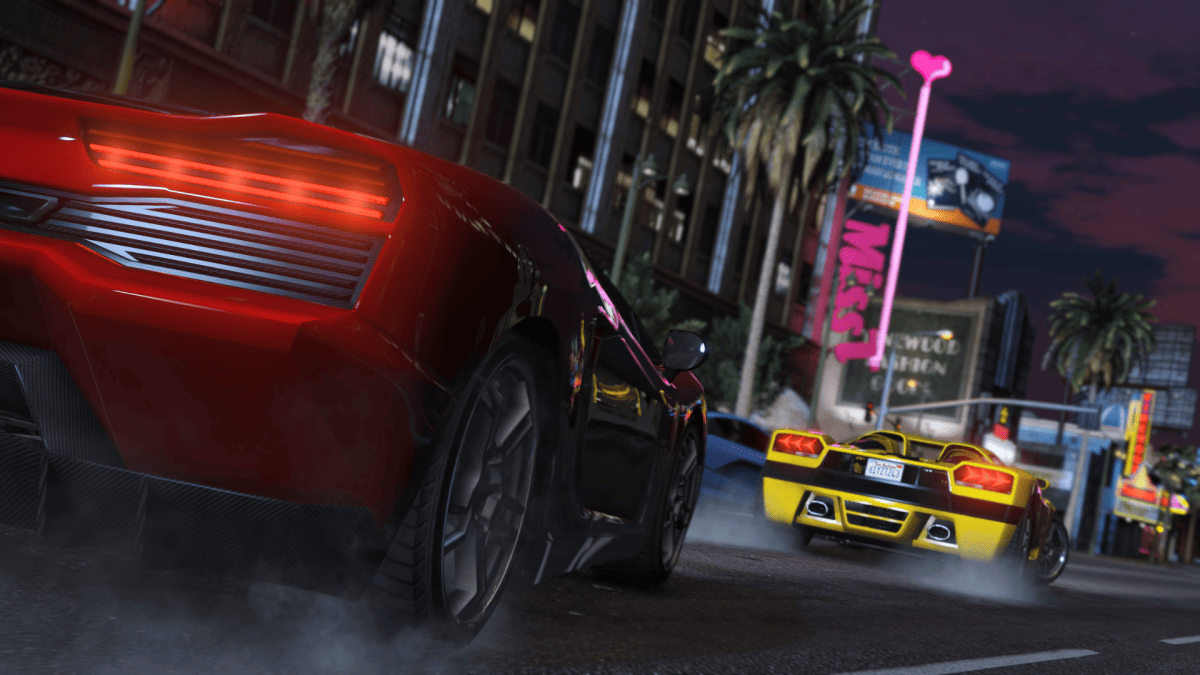
Introduction: When Miami Becomes Leonida in GTA 6
GTA 6 brings players back to Florida through a new fictional state: Leonida. Rockstar Games built this setting by drawing heavily from Miami and its surroundings, transforming real neighborhoods, iconic architecture, and vibrant culture into a recognizable video game recreation. Though names and geography are fictionalized, Miami's geographic and cultural influences shine through every visible detail in the official trailers. This article explores how Rockstar captured Miami's essence in Florida to construct Vice City's universe in GTA VI—a return to roots after more than 15 years away.
Vice City: The Urban Heart of Leonida Inspired by Downtown Miami
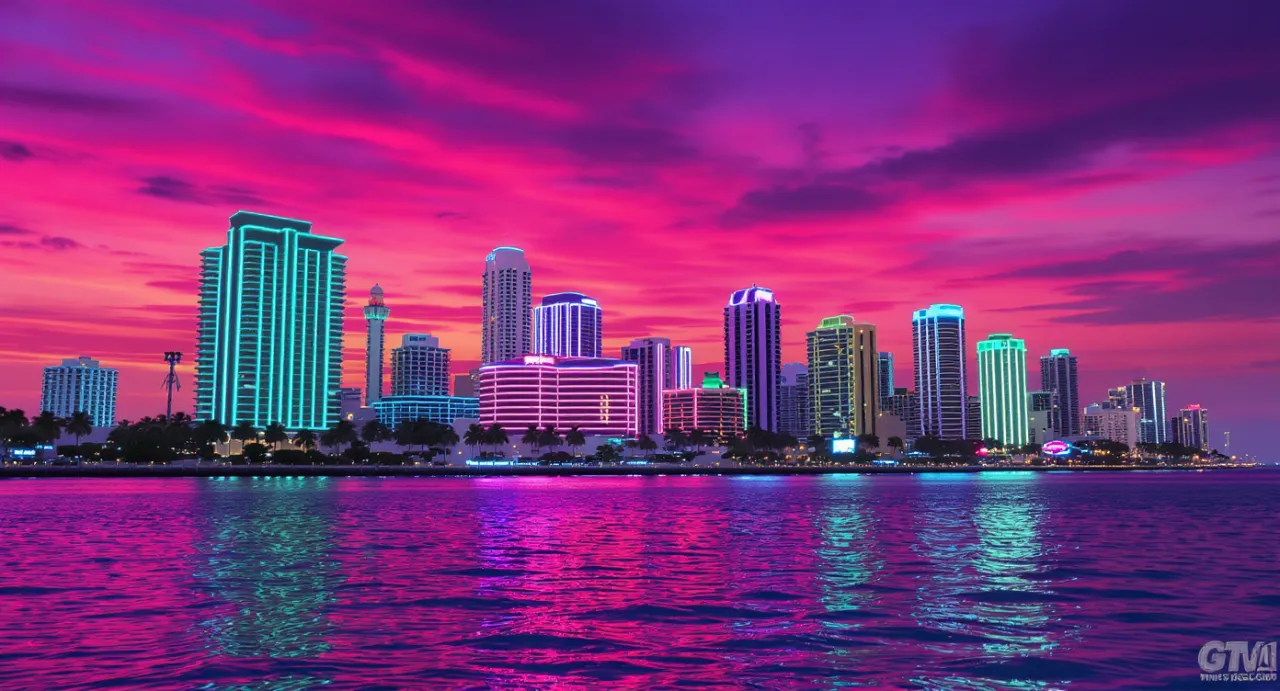
Vice City, GTA 6's primary urban hub, draws its references directly from Downtown Miami's architectural and cultural landscape. Miami's downtown, with its art deco skyscrapers, modern towers, and waterfront setting, forms the visual foundation for Vice City in GTA VI.
According to the first trailers released in December 2023, Vice City's urban landscape displays distinctive elements:
- Buildings with art deco facades, echoing the historic architecture of Miami's Wynwood district and Historic District
- A densely populated waterfront lined with coastal skyscrapers, similar to Brickell Avenue towers and South Miami Beach
- A tropical urban atmosphere blending colonial, modern, and futuristic architectures
- Commercial and bustling streets characteristic of Miami's tourist zones
Rockstar isn't hiding this inspiration: Vice City, the original name for Miami in previous GTA games (Vice City in 2003, Vice City Stories in 2006), naturally returns to Florida with GTA 6. The developers clearly decided to set the stage in a dense, coastal urban environment highly recognizable to fans familiar with Miami.
Leonida's Neighborhoods: Geographic and Cultural Fragments of Miami
Beyond downtown, GTA 6 will likely fragment Leonida into distinct zones inspired by different real Miami neighborhoods. Though Rockstar has only confirmed Leonida and Vice City's overall existence, rumors based on leaks and narrative expectations suggest a multi-layered structure.
Here are Leonida's likely zones and their presumed inspirations:
- Vice City (Downtown/Center) — Inspired by Downtown Miami, Brickell, and Miami Beach. Skyscrapers, nightlife, casinos, and tourist districts.
- Wynwood (assumed) — Alternative neighborhood with street art, galleries, and trendy bars. References authentic Wynwood, known for its murals.
- South Beach/Beaches (assumed) — Coastal zone with clubs, luxury hotels, and beach life. Inspired by South Beach, Miami Beach, and tourist beaches.
- Little Havana/Hispanic Zones (assumed) — Neighborhood with distinct Latino-Caribbean culture, shops, and restaurants. References Little Havana and Miami's Cuban and Puerto Rican communities.
- Affluent Residential Zones (assumed) — Upscale neighborhoods like Coral Gables and Coconut Grove, with villas, golf courses, and more peaceful settings.
- Peripheral/Everglades Zones (assumed) — Swamps, industrial or rundown areas, drug operations. Inspired by the Everglades and southern Florida's rural areas.
Note: Leonida's complete map hasn't been officially confirmed by Rockstar. These divisions remain deductions based on typical GTA game structures and Vice City's history.
Architecture, Urban Design, and Coastal Landscapes: Miami's Signatures in Video Game Form
Miami possesses a distinctly recognizable architectural identity, born from decades of tropical urbanization, Latin American immigration, and tourist development. GTA 6 visibly reproduces these characteristics.
Art Deco and Modern Architecture
Miami's Historic District art deco buildings, constructed in the 1920s-1930s, boast a unique aesthetic: pastel facades, geometric windows, rounded terraces. GTA VI's trailers clearly show buildings in pink, blue, and yellow tones typical of art deco, reminiscent of South Beach or Wynwood.
Meanwhile, modern glass towers along Brickell, the waterfront, and Coral Gables represent a contemporary, affluent, globalized Miami. GTA 6 juxtaposes these two architectural styles to create a visually rich and contradictory Vice City.
The Coastal Waterfront and Tropical Setting
Miami is a city defined by water: bays, ocean, canals, and beaches shape the landscape. Vice City in GTA VI logically embraces this central element. Palm trees, coastal structures, luxury boats, and beaches contribute to the tropical atmosphere visible in trailers. This dense coastal geography isn't incidental—it reflects water's omnipresence in Miami.
Tropical and Subtropical Landscapes
Palm trees, lush vegetation, tropical light, and warm climate define GTA 6's setting. Florida and Miami, located in a subtropical zone, offer luminosity, vegetation, and atmosphere that Rockstar exploits visually to distinguish Leonida from Liberty City or Los Santos' gray tones. The orange and purple sky hues typical of Florida sunsets are already visible in official trailers.
Cultural Influences: Miami's Latino, Afro-Caribbean, and Tourist Signature
Beyond urban design, Miami is a multicultural metropolis dominated by waves of Cuban, Puerto Rican, Colombian, Haitian, and other Caribbean and Latin American immigration. This cultural diversity shines through in language (Spanish is omnipresent), music, cuisine, commerce, and criminal economy.
GTA 6's already-released trailers feature Spanish dialogue, visible on signage and in interactions between Jason Duval and Lucia Caminos. Lucia Caminos herself, GTA VI's female protagonist, carries a Hispanic name. Rockstar signals that Miami's Latino-Caribbean culture lies at the heart of GTA 6's narrative atmosphere, far beyond mere backdrop.
Music and Nightlife
Miami is the birthplace of bass music, Latin electro, and a globally celebrated club scene. GTA 6's radio station slider includes confirmed V-Rock, but other musical stations will likely reflect the region's scene. Vice City's nightclubs, visible in trailers, sport neon and futuristic designs typical of Miami's 2020s nightlife (also recalling the original Vice City's 80s vibes).
Criminal Economy and Smuggling
Miami historically served as a major drug trafficking hub (Colombian cocaine in the 80s-90s), money laundering center, and multiethnic organized crime nexus. GTA 6, by placing its protagonists (Jason Duval and Lucia Caminos) in Florida within a criminal context, draws from this historical reality. Trailers already show criminal interactions, weapons, and an urban danger atmosphere consistent with this backdrop.
Leonida: A Fictional State But Geographically Credible Florida
Rockstar chose to create a fictional state called Leonida rather than directly naming Miami or Florida. Leonida frames Florida through mythology or an alternate universe lens, while all geographic and cultural elements inevitably reference real Florida and Miami.
This approach offers narrative and legal advantages:
- Total creative freedom: Rockstar can distort, exaggerate, or reinvent real neighborhoods without exact photographic reproduction.
- Legal deliberation: references to real Miami people, businesses, or events can be fictionalized.
- Immersion through recognition: players who've visited Miami recognize the references without Rockstar explicitly naming each neighborhood.
- GTA narrative consistency: since Vice City (2003), Leonida/Vice City is an established GTA universe, facilitating this return.
Geographically, Leonida is presented as occupying a coastal position in a subtropical state, with densely urbanized coastal cities, affluent residential zones, beach tourist areas, and rural swamps. This description perfectly aligns with real central and southern Florida geography.
Coastal and Marine Elements: Bays, Beaches, and Port Infrastructure
GTA 6 firmly establishes itself in a coastal universe. Trailers show boats, beachside clubs, ocean views, and port infrastructure. Miami is a major water city: commercial port, shipyards, luxury marinas, and tourist beaches make it a global coastal center.
Vice City in GTA VI logically embraces these aquatic characteristics. Players will likely travel by boat (as in previous GTAs), access isolated coastal neighborhoods, and interact with local marine infrastructure. This coastal dimension can't be underestimated—it defines Miami as much as buildings do.
The Everglades, Florida's emblematic southern swamps, could appear as wild peripheral zones, contrasting with Vice City's dense urbanization. Rumors mention rural or swamp-based areas, highly consistent with real geography.
Climate, Seasons, and Color Palette: Tropical Florida Recreated Digitally
Visually, GTA 6 must capture Florida's luminous and chromatic essence. Miami suffers humid, warm climate with mild winters and extremely hot summers. Trailers show blue skies, orange/reddish sunsets, and intense tropical luminosity.
Vice City's color palette in GTA VI blends:
- Neon pinks, blues, purples (inherited from original 80s Vice City, but applied to contemporary Florida)
- Art deco pastels (peach pink, sky blue, soft yellow)
- Natural tropical hues (plant green, ocean blue, sandy beige)
- Modern urban tones (concrete gray, steel, reflective glass)
This color fusion reinforces Leonida's visual identity: both real Florida and stylized futuristic vision typical of GTA.
Transportation, Road Infrastructure, and Urban Traffic Networks
Miami features typical American road infrastructure: multi-lane highways (Interstate 95, Dolphin Expressway), wide main avenues, dense urban streets. GTA 6 must reproduce this road hierarchy to create a credible driving universe.
Trailers show vehicles circulating on modern roads, bridges spanning waterways (Miami has several iconic islands and bridges), and North American-style urban infrastructure. This Miami road reality shines through Vice City's design, though road names remain fictional.
Public transit, bus systems, and typical Florida parking infrastructure could also be integrated, though GTA games usually prioritize personal vehicles.
Tourist Landmarks and Landmarks: An Entertaining Florida
Florida is a major global tourist destination: theme parks (Disney, Universal), beach resorts, casinos, restaurants, and nightclubs attract millions yearly. Miami particularly is a tourist hub with art deco, world-famous beaches, and premium nightlife.
GTA 6, according to confirmed information, will include entertainment and mini-games. A casino scene is visible in trailers. Clubs, restaurants, beach activities, and leisure zones could constitute Vice City's gameplay ecosystem, reflecting real Florida's tourist infrastructure.
Note: GTA VI's exact mini-games aren't all confirmed yet. Rumors mention casinos, water sports, fishing, and urban hunts, but Rockstar hasn't officialized any complete list.
Industrial and Criminal Sectors: Real Economy and Game Universe
Miami, historically a smuggling and money-laundering center, also boasts formal economy based on tourism, commerce, finance, and port logistics. GTA 6 must integrate both facets.
Jason Duval and Lucia Caminos' narrative context, two criminal protagonists, fits within a credible underground economy. Vice City should display industrial zones, smuggling ports, warehouses, and less-touristy neighborhoods where criminal economy thrives. This duality (tourist vs. criminal) is intrinsically Miamian.
FAQ: Answers to Major Questions About Miami References in GTA 6
Does GTA 6 Really Take Place in Miami or Just Florida?
GTA 6 takes place in Leonida, a fictional state inspired by Florida. However, Vice City, the primary metropolis, is a recreation very directly inspired by Miami and its neighborhoods. Rockstar has never confirmed explicitly naming Miami, but the inspiration is undeniable and intentional. Fans immediately recognize Miami in Vice City, consistent with the series' history (Vice City was the setting for two previous GTA games, in 2003 and 2006, also in fictional Florida).
Which Real Miami Neighborhoods Are Reproduced in GTA 6?
Rockstar has provided no official list of Miami neighborhoods reproduced or inspiring GTA 6. However, trailer analyses suggest Downtown Miami, South Beach, Wynwood, Coral Gables, and other major tourist/commercial zones inspire Vice City's urban design. The Everglades could also appear peripherally. No detailed confirmation exists; these identifications remain analyst and fan deductions.
Does Miami's Latino-Caribbean Culture Appear in GTA 6?
Yes, explicitly. Lucia Caminos, one of two protagonists, carries a Hispanic name and is shown speaking Spanish in official trailers. Signage and interactions in Vice City include Spanish. Rockstar signals that Latino Miami culture is central to GTA 6, not merely cosmetic. The music, culinary, and criminal scenes likely also reflect this dominant Miami cultural influence.
Do the Everglades or Swampy Areas Appear in GTA 6?
The Everglades, Florida's emblematic southern swamps, aren't yet confirmed in GTA 6. However, rumors based on leaks mention rural areas, swamps, or less-urbanized peripheral zones. If these exist, they'd faithfully reflect real Florida geography. No official confirmation comes from Rockstar on this matter.