Rockstar's Pre-Launch Mod Crackdown: What Creators Need to Know Before GTA 6 Arrives
As November 19, 2026 approaches, Rockstar Games has introduced stricter content guidelines for modding across its Grand Theft Auto ecosystem. The publisher is now actively restricting modifications that alter missions, custom maps, storyline extensions, and third-party intellectual property integrations. This policy shift marks a significant departure from the historically permissive stance the company maintained during GTA 5's modding golden age, and it signals how Rockstar intends to control the experience in the highly anticipated Vice City era.
- Mission & map mods now prohibited: Custom quests, mission rewrites, and new map expansions face content takedowns and policy enforcement
- Third-party IP integrations banned: Mods featuring licensed characters, brands, or copyrighted content are subject to removal
- Story extension restrictions: Narrative mods that expand or alter GTA 6's canonical storyline are no longer permitted
- Enforcement timeline: New guidelines took effect weeks before official launch; penalties include mod removal and account restrictions
- Community reaction: Creators express frustration; debate over modding freedom versus publisher control intensifies across forums
The Official Policy: Rockstar's New Modding Framework
Confirmed Guidelines & Content Restrictions
Rockstar Games has confirmed through official statements and community notifications that specific categories of user-generated content are now restricted for GTA 6 and recently applied retroactively to GTA 5 mods. The publisher's position centers on three primary concerns: narrative integrity, legal liability, and the preservation of the official game experience.
Confirmed: Rockstar Games maintains that mission-altering mods, custom storyline content, and narrative extensions violate the terms of service for both GTA 5 and GTA 6. This policy applies to all platforms where modding is technically possible.
The scope of restrictions includes:
- Mission redesigns: Mods that rewrite existing quests, change objectives, or introduce new canonical missions are prohibited
- Map alterations: Large-scale custom map expansions, new explorable regions, and location replacements are subject to takedown
- Character storyline mods: Extensions of Jason Duval and Lucia Caminos' narratives, alternate endings, and backstory rewrites are restricted
- Licensed IP integration: Mods featuring real-world celebrities, trademarked brands, or copyrighted franchises face immediate removal
- Dialogue & narrative patches: User-created dialogue, voice mods, and story corrections are no longer permitted
Enforcement Mechanisms & Technical Implementation
Unlike previous eras of GTA modding where the community operated in a gray zone of tacit tolerance, Rockstar has implemented automated and manual enforcement systems. These mechanisms scan modding platforms, social media repositories, and user content databases for violations.
The enforcement structure includes content ID matching (similar to YouTube's copyright system), community reporting protocols, and account-level penalties ranging from mod removal to platform suspension. Modders who repeatedly violate the guidelines face restrictions on future content uploads and potential legal action under the Digital Millennium Copyright Act (DMCA).
Confirmed: Take-Two Interactive, Rockstar's parent company, actively pursues DMCA takedown notices against mod hosting sites and individual creators who distribute prohibited content. This approach mirrors the publisher's aggressive stance toward leaked GTA 5 content in 2024-2025.
Why Now? The Strategic Rationale Behind Stricter Controls
Protecting Vice City's Canonical Narrative
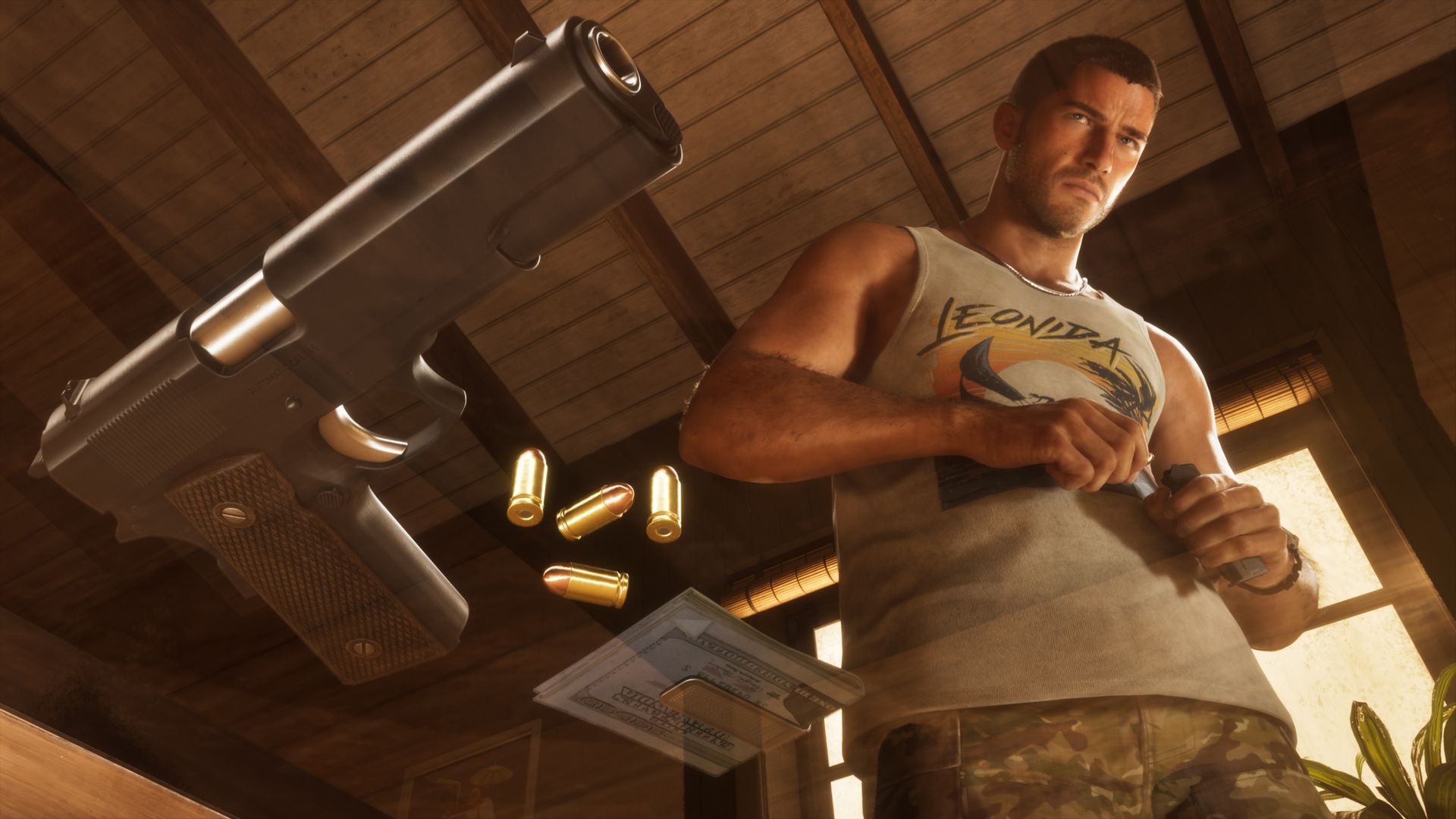
GTA 6 introduces a major creative landmark: dual protagonists Jason Duval and Lucia Caminos, with Lucia serving as the first female lead of the main series. Rockstar has invested unprecedented narrative resources into their character arcs, dialogue, and story progression throughout the fictional state of Leonida. The publisher's reasoning suggests that narrative-altering mods could undermine this investment and confuse the canonical storyline for millions of players.
In interviews and official statements, Rockstar emphasized that GTA 6's story is a tightly crafted experience designed for a 30-40 hour campaign. Mission modifications, alternate endings, and narrative rewrites could fragment the player experience and create inconsistencies that damage the carefully constructed Vice City universe.
Legal Liability & Third-Party IP Protection
GTA 6 features an expanded roster of licensed radio stations (including V-Rock confirmed from official trailers), celebrity cameos, and real-world brand partnerships. Mods that layer third-party intellectual property on top of this licensed ecosystem create legal ambiguity for both Rockstar and Take-Two.
A custom mod that adds unlicensed music, trademarked characters, or copyrighted narratives could expose the publisher to liability claims from IP holders. By preemptively restricting these mods, Rockstar eliminates the legal gray zone that historically protected GTA 5's modding ecosystem.
Confirmed: Take-Two's legal team has grown increasingly aggressive in pursuing intellectual property claims against modders and content creators. This shift reflects broader industry trends toward stricter IP enforcement in the AAA space.
Platform Stability & Official Revenue Protection
Rockstar is also protecting its own commercial interests. GTA Online (the multiplayer component of GTA 5) generates billions in revenue through GTA+ subscriptions, shark cards, and seasonal content. Mods that alter missions or introduce new gameplay systems could cannibalize player engagement with official content and destabilize the live-service ecosystem.
For GTA 6, which is expected to launch its multiplayer component in 2027 according to recent industry reports, this concern becomes even more acute. Rockstar wants to control the entire narrative and gameplay experience during the critical launch window.
What Creators Can Still Do: Permitted Modding Categories
Visual & Cosmetic Enhancements (Generally Permitted)
Rockstar's restrictions do not extend uniformly to all modding categories. Visual enhancements, graphics mods, and cosmetic alterations remain largely permitted, provided they do not interfere with mission systems or introduce unlicensed IP.
- Graphics overhauls: Ray-tracing mods, texture replacements, and lighting adjustments are permitted
- Character skins: Cosmetic character models and outfit retextures are allowed (if no third-party IP is used)
- UI modifications: HUD redesigns, menu tweaks, and interface enhancements remain permitted
- Quality-of-life tools: Camera mods, control remapping, and accessibility features are generally allowed
Gameplay Mechanics (Conditional Permission)
Certain gameplay mods remain permitted if they do not alter canonical missions or introduce new story content. Examples include difficulty balancing, weapon behavior adjustments, and vehicle handling tweaks. However, any gameplay mod that fundamentally changes how a mission plays out, introduces new objectives, or alters NPC behavior in story contexts faces restriction.
Rumor / unconfirmed: Some community sources suggest that immersion-focused mods—such as realistic traffic systems or enhanced weather—may receive special exemptions from Rockstar's enforcement teams, though no official confirmation has been provided.
Community Response & The Modding Debate
Creator Frustration & Exodus Concerns
The modding community has expressed significant frustration with Rockstar's new restrictions. Prominent creators who spent years developing large-scale mission mods, map expansions, and narrative extensions now face the prospect of their work being removed and inaccessible.
On forums like NexusMods, Reddit's r/GTA, and specialized modding communities, creators have raised concerns about:
- The chilling effect on innovation: talented developers may avoid ambitious projects if takedown risk is high
- Preservation of digital history: valuable mods may disappear from the internet entirely
- Inconsistent enforcement: ambiguity about what exactly constitutes a "mission mod" versus a permitted gameplay enhancement
- Retroactive penalties: modders who created content under the old GTA 5 permissiveness now face consequences
The Broader Industry Conversation
Rockstar's stance reflects a wider industry shift toward stricter content control. Publishers like Bethesda (Elder Scrolls), Ubisoft (Assassin's Creed), and even CD Projekt Red (Cyberpunk) have implemented varying levels of modding restrictions to protect narrative integrity, maintain live-service ecosystems, and reduce legal liability.
However, some industry voices argue that overly restrictive mod policies ultimately damage player retention and goodwill. GTA 5's longevity was partly sustained by the vibrant modding community, which created diverse gameplay experiences and kept players engaged for over a decade. Critics worry that GTA 6's restrictions could fragment the community and reduce the game's long-term appeal.
| Modding Category | GTA 5 (Pre-2025) | GTA 6 (2026+) | Reason for Change |
|---|---|---|---|
| Mission rewrites & extensions | Generally tolerated | Prohibited | Narrative integrity, dual-protagonist storyline protection |
| Custom map expansions | Community-accepted | Restricted | Map stability, live-service integration with GTA Online |
| Third-party IP integration | Gray zone / inconsistent enforcement | Explicitly banned | Legal liability, IP protection |
| Visual & cosmetic mods | Permitted | Largely permitted | No narrative or gameplay impact |
| Gameplay mechanics (non-mission) | Permitted | Conditional | Gameplay balance, consistency across player base |
Technical Implications: How Rockstar Will Enforce These Policies
Content Detection Systems
Rockstar and Take-Two are leveraging automated tools to identify prohibited mods across major hosting platforms. These systems use machine learning to detect:
- Code fingerprints that match known mission-altering frameworks
- File structure patterns consistent with map replacement tools
- Metadata and descriptions that reference canonical story content
- Known third-party IP assets embedded in mod files
Platform Cooperation & Hosting Site Compliance
Major mod hosting platforms like NexusMods, ModDB, and Nexus have reportedly agreed to cooperate with Rockstar's enforcement efforts. While these platforms historically resisted publisher takedowns, legal pressure and DMCA threats have incentivized compliance.
Rumor / unconfirmed: According to community sources, NexusMods has implemented automated filtering that flags GTA 6 mods matching Rockstar's prohibited categories before they are publicly listed. Official confirmation from NexusMods has not been provided.
What Players Should Know: The Impact on Your Game Experience
Single-Player Experience & Mod Availability
For players who primarily engage with GTA 6's single-player campaign (expected to be 30-40 hours based on industry estimates), the mod restrictions have limited immediate impact. Visual mods, graphics enhancements, and cosmetic adjustments will remain available and will not be restricted.
However, players seeking narrative variety, mission redesigns, or large-scale map overhauls will find limited options in the first years after launch. This represents a departure from GTA 5, where such mods were freely available and widely used.
Long-Term Community Health & Modding Ecosystem
The restrictions may slow the formation of a robust modding ecosystem around GTA 6. Community-driven content that historically sustained engagement during content droughts between DLC releases will be unavailable or heavily restricted.
This could impact player retention in years 2-5 post-launch, particularly for single-player enthusiasts. Rockstar will need to deliver compelling official content and updates to fill the void left by restricted community mods.
Sources & Official Information
- Rockstar Games official website and newswire for policy announcements
- Take-Two Interactive investor relations statements regarding intellectual property protection
- DMCA takedown notice records from major mod hosting platforms
- GTA 6 official trailers and confirmed feature announcements (December 2023, 2025 trailers)
- Community forums including r/GTA, NexusMods discussion boards, and GTA enthusiast sites for player reaction
- Industry reporting from GameSpot, IGN, and VGC regarding modding policy changes in AAA games
FAQ
Can I still use visual and graphics mods in GTA 6?
Yes. Rockstar's restrictions focus on narrative-altering and mission-changing mods. Visual enhancements, graphics overhauls, texture replacements, and cosmetic character skins remain largely permitted, provided they do not incorporate unlicensed third-party intellectual property. Always check the specific terms of the mod before downloading, as enforcement can be inconsistent.
Will my GTA 5 mission mods continue to work after GTA 6 launches?
GTA 5 and GTA 6 are separate games with different modding ecosystems. Your GTA 5 mods will continue to function in GTA 5 itself. However, Rockstar has retroactively applied some of its new guidelines to GTA 5 mod hosting platforms, and certain previously tolerated mods may face removal. The GTA 6 modding environment will be subject to stricter enforcement from day one.
What happens if I create or distribute a prohibited mod?
Depending on severity, consequences range from mod removal from hosting platforms to DMCA takedown notices sent to you personally. Repeat violations can result in account suspension from modding platforms and potential legal action from Take-Two Interactive. Rockstar has been increasingly aggressive in pursuing intellectual property violations, so the risk of creating prohibited content is genuine.
Why is Rockstar restricting mods weeks before GTA 6 launches?
The timing reflects Rockstar's desire to establish clear rules before the massive player influx at launch. The publisher wants to prevent a Wild West scenario where thousands of prohibited mods proliferate before enforcement mechanisms are fully activated. By announcing policies in advance, Rockstar also sends a message to the modding community about what to expect post-launch.