Vice City Nostalgia: Why It Captivates Us on the Eve of GTA 6
Since the official announcement of GTA 6 in December 2023, a fascinating psychological phenomenon has swept through the gaming community: the massive resurgence of Vice City nostalgia. It's no accident. It's a perfect convergence of Vice City's confirmed return within the new fictional state of Leonida, generational nostalgia for a golden era of gaming, and uncertainty facing the unknown represented by this new title. But what makes Vice City so memorable, so emotionally powerful, that it continues to captivate players more than two decades after its original 2002 release?
This question isn't trivial. It touches on what makes a video game unforgettable, how fictional worlds take root in our emotional memories, and why we see waves of nostalgic articles, videos, and discussions emerge whenever Rockstar teases a new installment. Vice City wasn't simply a game. It was an experience, a culture, an aesthetic—and for many, a turning point in how we conceive interactive entertainment.
Vice City 2002: A Moment of Cultural Rupture
To understand why Vice City still obsesses contemporary players, we must first return to what made that release so exceptional. In 2002, Vice City wasn't an ordinary game: it was a statement of aesthetic and narrative intent from Rockstar Games.
Vice City embodied the disco-synth era of the 1980s, transposed the mythology of Miami Vice and Scarface into an unprecedented video game universe, and offered players a freedom of action that seemed almost reckless to critics of the time. Tommy Vercetti wasn't a classical hero. He was a complex antihero, pursuing personal vengeance through the neon-lit streets of a city saturated with crime, corruption, and seduction.
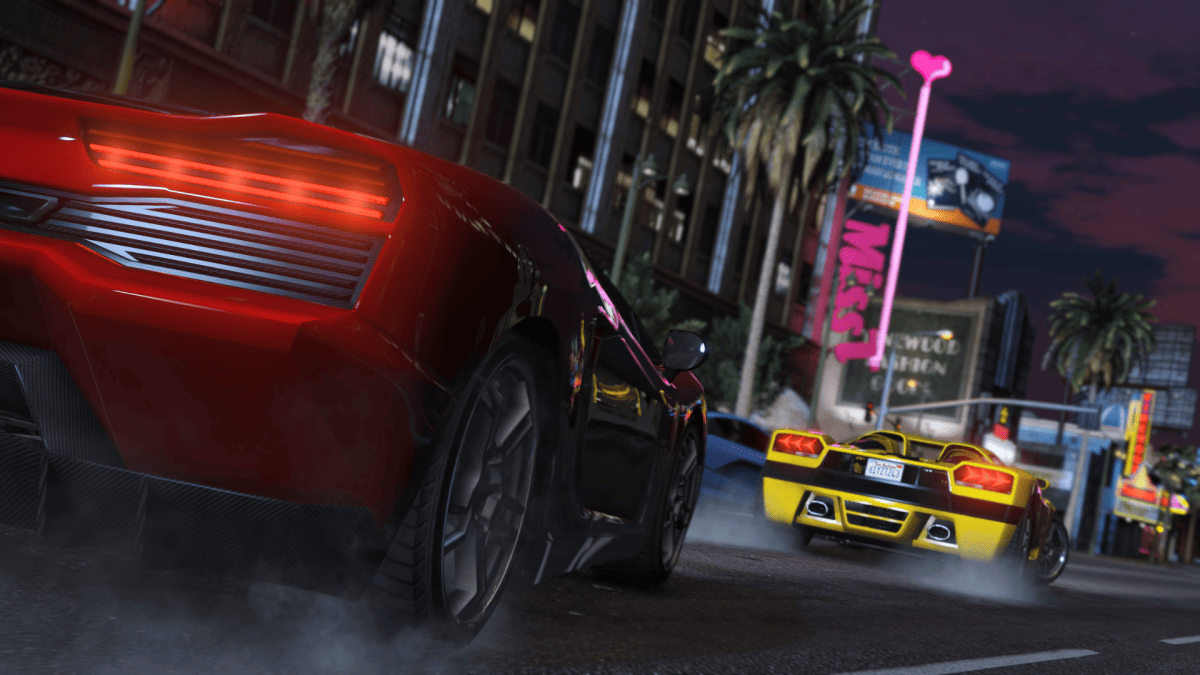
But beyond the storytelling, what struck players of that era was environmental immersion. Vice City was a living, pulsing city with such a distinct visual identity that the pink-painted walls, palm trees swaying in tropical winds, and violet neons become instantly recognizable. The game's radio stations, including V-Rock (confirmed to appear in GTA 6), played music that resonated with players' aesthetic expectations, creating a memorable soundtrack.
The Emotional DNA: Why Vice City Remains Etched
Vice City nostalgia isn't simply nostalgia for a game. It's a multi-layered nostalgia that unfolds across several psychological dimensions:
- Generational nostalgia: Players who experienced Vice City in 2002-2003 were between 12 and 25 years old. Today, they're 35 to 50. This is the age when nostalgia hits hardest—when we reflect on lost innocence, moments when time seemed infinite, before adult responsibilities took hold.
- Aesthetic nostalgia: The 1980s have experienced renewed cultural interest since the late 2010s. Synthwave, outrun, retro cyberpunk: all these aesthetic movements draw inspiration from that era. Vice City already embodied this aesthetic in 2002, before it even became trendy.
- Narrative nostalgia: Vice City told a linear yet powerful story: that of a fallen man who rises again, rebuilds a criminal empire, takes his revenge. It's a universal narrative archetype—redemption and personal vengeance. Today's players, confronted by an increasingly complex world, find catharsis in this direct, visceral narrative.
- Nostalgia for liberated gameplay: Vice City represented a moment when GTA games hadn't yet been overwhelmed by collectible systems, endless side missions, or obsessive progression mechanics. The game offered structured yet exhilarating freedom—a sensation of total control over an entire city.
The Unique Time Window: 2002-2006
Vice City fits within a particularly fertile timeframe for Rockstar. Between GTA III's 2001 release and GTA IV's arrival in 2008, the company dominated gaming culture without serious competition. Vice City benefited from this dominance, an absence of competing narrative saturation, and an ability to entirely define public expectations.
Vice City Stories (2006) and GTA: Chinatown Wars (2009) attempted to extend this magic, but nothing matched the impact of the original title. Why? Because Vice City was a moment of perfect convergence: technology was advanced enough to create credible immersion, storytelling was mature enough to transcend mere entertainment, and gaming culture was receptive enough to embrace such an affirmed artistic vision.
Since then, every GTA game has tried to recapture that magic. Vice City didn't need to. It was the magic itself.
From Nostalgia to Anticipation: Vice City Reborn in Leonida
With GTA 6's official announcement and Vice City's confirmed return (integrated into the new fictional state of Leonida, inspired by Florida), Vice City nostalgia takes on a new dimension: that of anticipation.
Fans aren't simply revisiting Vice City mentally. They're anticipating its transformation. How will Rockstar reimagine this mythical city with the modern RAGE engine? How will Vice City appear in 2026, with graphical power capable of rivaling the best action films?
This anticipation is fueled by two official trailers released (the first in December 2023, the second in 2025). Fleeting shots of Leonida, architectural hints, the pink and blue color radiations that echo Vice City—all this creates an exquisite tension between the known and the unknown.
Players ask themselves: will the map be larger than the original Vice City? Will neighborhoods be recognizable? Will iconic characters reappear? These uncertainties fuel constant engagement with the title as the confirmed November 19, 2026 launch date on PS5 and Xbox Series X|S approaches.
The Two Protagonists and Narrative Continuity
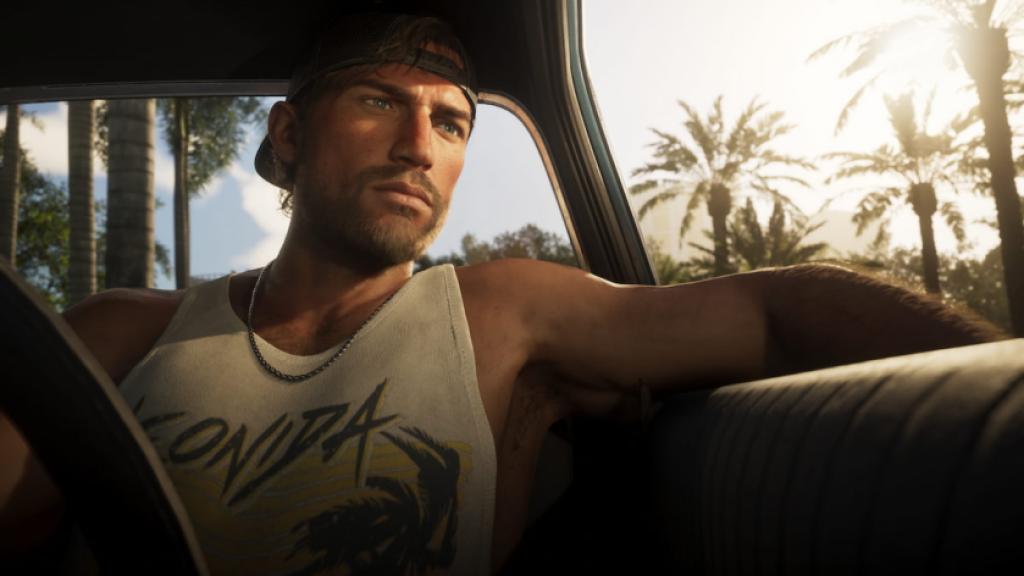
A crucial element contributes to reinvented Vice City nostalgia: the presence of two protagonists, Jason Duval and Lucia Caminos. Lucia Caminos represents a revolution for the main series: she's the franchise's first playable female protagonist—a first that immediately revitalizes players' relationship with the universe.
Yet this protagonist duality resonates strangely with the past. Nostalgic players wonder: how will these two characters interact with Vice City's legacy? Vice City belongs to Tommy Vercetti. How will GTA 6 navigate this narrative lineage? Far from diminishing interest, these questions amplify it, creating an additional narrative layer.
Lucia Caminos' presence also offers a fresh perspective on Vice City. A female character confronting an environment dominated by traditional masculine power dynamics? That's a fresh narrative angle while remaining faithful to the game's essence.
Nostalgia as Commercial and Cultural Fuel
It's important to note that Vice City nostalgia functions not only on psychological or emotional levels. It's also a major commercial engine for Rockstar and Take-Two.
GTA 6's price points (Standard edition at $79.99 and Ultimate edition at $99.99) rely partly on this nostalgia. Players pay not only for a new game, but for the promise of revisiting a mythical city reimagined with modern technology. It's an aggressive price formula, but it's justified by this emotional weight accumulated since 2002.
Meanwhile, YouTube, Twitch, and social media are saturated with Vice City-related content: "Top 10 Vice City Moments" videos, 2025 playthroughs of the original title, visual analyses comparing GTA 6 trailers to historic Vice City environments. This permanent cultural production keeps Vice City at the heart of the conversation, even 24 years after its original release.
Timeless Aesthetics: Synthwave and Vice City
An often underestimated element of Vice City nostalgia is its fundamentally timeless visual aesthetics. Vice City didn't attempt to represent Miami faithfully. It created a stylized version of Miami, saturated in neons, exaggerated chromatic contrasts, retrofuturistic architecture.
This stylization proves far more durable than realism. While realistic games from 15 years ago now feel dated and visually unattractive, Vice City ages with a certain grace. Its intrinsic synthwave aesthetic preserves it from visual obsolescence.
With GTA 6 and Leonida, Rockstar has the opportunity to amplify this synthwave aesthetic with modern technologies. Neons can glow brighter, contrasts can be sharper, atmospheres more hypnotic. This prospect attracts nostalgic players who want to relive Vice City's essence, enriched rather than diluted.
FAQ: Essential Questions About Vice City and GTA 6
Will Vice City be identical in GTA 6 or completely reimagined?
Rockstar hasn't confirmed specific Vice City details in GTA 6 (now Leonida). Based on clues from official trailers, Vice City will appear within the new fictional state of Leonida, inspired by Florida, but we have no confirmation regarding specific architectural, geographic, or narrative modifications. Rumors suggest a massive expansion of the original map, but this remains unconfirmed. Rockstar intentionally preserves this uncertainty to maintain tension until the November 19, 2026 launch.
Will Tommy Vercetti reappear in GTA 6?
Rockstar hasn't confirmed any original Vice City character appearing in GTA 6. The confirmed protagonists are Jason Duval and Lucia Caminos, two new characters. Rumors circulating in the community suggest that former characters might appear in cameos or secondary roles, but no official source validates this information. It's prudent to treat any claims about Tommy Vercetti or other iconic characters as speculation until official confirmation.
Why is Vice City nostalgia so powerful compared to other GTA games?
Vice City benefits from a unique convergence: it releases when Rockstar dominated without rivals, it embodies a timeless aesthetic (1980s synthwave), and for many players it represents their introduction to narrative freedom in video games. It also marks a generational turning point: players who discovered Vice City between 2002 and 2006 are now at an age when nostalgia hits intensely. Finally, Vice City offered a balance between solid narrative structure and gaming freedom that increasingly complex later titles haven't always maintained.
Will Vice City reappear on PC on the same date as PS5 and Xbox Series X|S?
Rockstar confirmed GTA 6's November 19, 2026 release for PS5 and Xbox Series X|S only. An official PC release hasn't been announced at that date. Based on precedent (GTA V released on consoles in 2013, then PC in 2015), a PC version could arrive months or even years after console launch, but that's speculation. PC-interested buyers should check Rockstar's official announcements for precise confirmations.