The GTA 6 Release Window: What We Know
On November 19, 2024, Rockstar Games officially announced that Grand Theft Auto VI will launch on November 19, 2026 on PlayStation 5 and Xbox Series X|S. This confirmed date has reshaped the entire gaming industry's release calendar, forcing developers and publishers worldwide to make strategic decisions about their own launch windows. Unlike rumors or unconfirmed leaks, this is a documented fact from Rockstar's official Newswire, making it one of the most significant anchors in gaming's near-term future.
- Official launch date confirmed: November 19, 2026 (PS5 and Xbox Series X|S only—PC date unconfirmed)
- Standard Edition $79.99 | Ultimate Edition $99.99 with Vintage Vice City Pack content
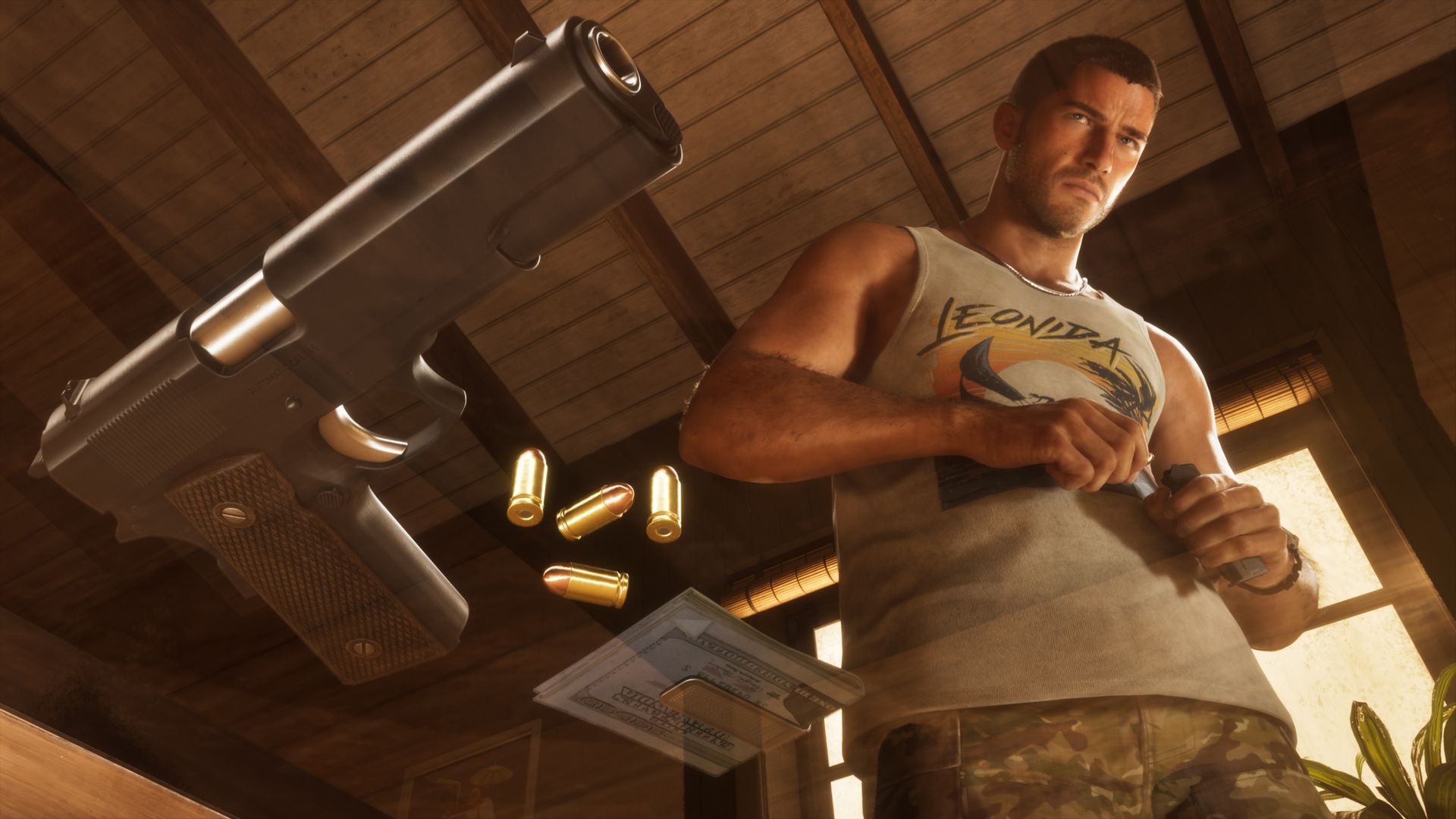
- Dual protagonists: Jason Duval and Lucia Caminos (first female lead of the main GTA series)
- Setting: Leonida, fictional state inspired by Florida, featuring Vice City's return
- Engine: RAGE (same architecture powering Red Dead Redemption 2 and GTA V)
The announcement sparked immediate industry conversations: would developers flee that window entirely, or would they adapt? Unlike previous GTA launches—which historically saw a mass exodus of releases in the preceding months—the 2026 landscape is revealing a more nuanced industry response. Developers aren't panicking; they're strategizing.
Why the GTA 6 Window Isn't a Universal Death Sentence
Market Segmentation & Audience Overlap Reality
The gaming audience in 2026 is fundamentally different from 2013 when GTA V launched. Today, player bases are segmented by genre, platform preference, and gameplay style in ways that didn't exist over a decade ago. A player invested in competitive esports titles (Valorant, Counter-Strike 2) operates in an entirely different ecosystem than someone chasing single-player open-world narratives. Meanwhile, mobile gaming, free-to-play ecosystems, and subscription services have fractured the "one game dominates all" phenomenon that characterized GTA V's early months.
Confirmed: GTA VI is confirmed for PS5 and Xbox Series X|S only at launch on November 19, 2026, with Standard ($79.99) and Ultimate ($99.99) editions.
Publishers are increasingly aware that releasing a $69.99 or $79.99 premium title requires a specific consumer mindset—someone with disposable income, time flexibility, and interest in that particular genre. A AAA action-RPG might lose 30% of its launch-month sales to GTA VI, but a roguelike indie title or a hardcore tactical shooter might lose only 5%. Genre diversity provides natural shelter.
Release Window Diversification Strategy
Rather than crowding August-October 2026 (the traditional pre-GTA evacuation period), major studios are exploring alternative windows: early 2026 (January-March), mid-year (May-July), and strategic post-GTA releases timed for the December 2026 holiday season. The assumption that November 19, 2026 is an absolute wall has proven false. Instead, it's a pivot point.
Consider the historical context: GTA V launched on September 17, 2013. In the 12 months following launch, gaming revenue didn't collapse—it expanded, because the market was growing. Console adoption, streaming, and YouTube gaming content created new revenue avenues that didn't exist as scalably in 2008 (GTA IV's era). Today's ecosystem is even more expansive.
Developer Confidence: The Unspoken Industry Consensus
Premium Titles Are Staggering Launches, Not Abandoning Them
The strategy isn't avoidance; it's timing. A major publisher might release a significant title in September 2026, accept a moderate sales dip in November, then capitalize on holiday shopping in December with post-launch content, seasonal passes, and gift-giving trends. This three-phase approach—pre-GTA momentum, GTA 6 coexistence, and post-GTA recovery—is replacing the old binary of "before or never."
Games with strong online ecosystems or live-service models are particularly well-positioned. A shooter or multiplayer title launched in August 2026 has three months of player investment, community building, and content cycles before GTA VI arrives. By November, that game has seasonal content, cosmetics, battle passes, and social momentum. It doesn't disappear; it evolves into a secondary engagement for players who own both titles.
Specific Genre Resilience
Certain genres show demonstrated resilience to GTA's gravitational pull:
- Competitive esports titles: Players' ranked progression and team commitments create switching costs that narrative-driven open-world games can't replicate
- Horror & psychological games: Serve an entirely different emotional register than GTA VI's action-crime fantasy
- Tactical & strategy games: Require fundamentally different brain engagement than open-world sandbox play
- Indie and mid-tier releases: Often target niche audiences (pixel art enthusiasts, experimental mechanics) that don't directly compete with AAA open-world sprawl
- Free-to-play titles: Create network effects and social obligations that paid premium releases struggle to displace instantly
Publishers analyzing GTA V's 2013 launch found that many premium titles released within a month of its arrival still achieved profitable runs. The assumption that it's "all-or-nothing" has been replaced by more sophisticated unit economics modeling.
The Role of Game Pass & Subscription Ecosystems
Xbox Game Pass and PlayStation Plus Extra/Premium have fundamentally altered the competitive landscape. A game doesn't need to sell 10 million copies in November 2026 to be considered successful; it needs engagement metrics and subscription ecosystem health. A premium title launching in September 2026 might be immediately added to Game Pass, extending its audience reach beyond traditional sales. By the time GTA VI launches, that game has already captured millions of subscription-only players who may or may not have the financial or time bandwidth to switch.
Rumor / unconfirmed: GTA VI's availability on Xbox Game Pass at or near launch. Microsoft hasn't confirmed Game Pass inclusion for GTA 6, though the Ultimate Edition's content suggests potential subscription service integration down the line.
This ecosystem shift means that "competing with GTA VI" no longer means direct sales competition; it means engagement competition. Retention rates, daily active users (DAU), and time-in-session metrics have become more important than launch-month revenue concentration.
Historical Precedent: GTA V's Actual Launch Impact
| Release Window | Titles Launched | Market Impact | Long-Term Performance |
|---|---|---|---|
| September 2013 (GTA V launch) | Splinter Cell: Blacklist, Deus Ex: Human Revolution—Director's Cut, Saints Row IV | Sales dips for action-adventure titles | Saints Row IV sold 2.5M+ units despite launch proximity |
| October-November 2013 | Battlefield 4, Call of Duty: Ghosts, Assassin's Creed IV: Black Flag | Moderate performance variation by genre | CoD: Ghosts (8M+ lifetime); AC IV (10M+ lifetime)—both considered successful |
| December 2013 | Killzone: Shadow Fall, Knack, Forza Motorsport 5 | Holiday buying offset GTA dominance | PS4 and Xbox One launch window diluted individual game impact |
The data reveals that even proximity to GTA V's September 2013 launch didn't eliminate competitor success. Assassin's Creed IV: Black Flag launched exactly one month after GTA V and became one of the franchise's best-selling entries (10M+ lifetime copies). Call of Duty: Ghosts, despite negative reception, shipped 8+ million units in its first two weeks. These games didn't vanish; they coexisted.
The critical variable wasn't launch timing alone—it was genre differentiation, player investment mechanics, and post-launch content momentum. Games that established engaged communities and provided distinct experiences thrived regardless of GTA V's presence.
2026 Release Calendar: Real Strategic Placement
January-March 2026: The Pre-Holiday Cushion
Publishers are already committing major titles to Q1 2026, banking on fresh-year purchasing behavior and minimal GTA-related attention. This window captures players who want new experiences before the industry's focal point shifts toward November.
May-July 2026: Summer Release Seasonality
Summer gaming has distinct patterns: younger audiences, mobile integration, and outdoor-friendly gameplay gain prominence. Strategic releases here can capture market share without head-to-head competition with GTA VI's narrative hype (which will intensify in September-October 2026).
September-October 2026: The Pre-GTA Sprint
This window remains competitive but not suicidal. Titles with strong genre differentiation, live-service models, or critical acclaim can still launch here. The goal isn't to outsell GTA VI (impossible); it's to establish enough community momentum that the game survives GTA's launch and thrives in Q1 2027.
December 2026-January 2027: The Post-Launch Opportunity
After the GTA VI frenzy normalizes, holiday purchasing and New Year player goals create a secondary release window. Games launching here capture players who've already completed GTA VI's campaign or satisfied their open-world urge.
Genre-Specific Strategies: What Each Category Is Doing
Competitive Multiplayer & Esports
Titles like potential new entries in the Valorant, League of Legends, or Counter-Strike universes are largely immune to GTA VI competition. These games operate on ranked progression, esports calendar commitments, and seasonal content cycles that create switching friction. Developers are confident launching within months of GTA VI because the player motivations are orthogonal.
Single-Player Narrative Experiences
These face the most direct competition. However, developers are increasingly aware that story-driven games can coexist if they offer distinct narratives. A psychological horror game, a historical drama, or a sci-fi epic serves different emotional needs than GTA VI's crime-sandbox storytelling, even if both are single-player premium experiences.
Live-Service & Free-to-Play
These are actually advantaged by GTA VI's presence. As GTA VI dominates sales conversations, free-to-play titles benefit from reduced acquisition costs and viral community growth (players looking for secondary engagement opportunities). Fortnite, Apex Legends, and similar titles didn't collapse when GTA V launched; they thrived during those years because they offered complementary experiences.
What This Means for Players
The fragmentation of release strategies is actually beneficial for consumers. Rather than a three-month gaming drought followed by a flood of GTA-adjacent clones, 2026 will feature a more distributed release calendar. Players will have genuine choices across multiple genres and price points throughout the year, with GTA VI as the defining autumn event rather than an extinction-level occurrence.
Confirmed: GTA VI launches November 19, 2026 on PS5 and Xbox Series X|S. Rockstar has not confirmed a PC release date, making it a console exclusive at launch.
The industry's relative calm about the GTA VI window—compared to the panic surrounding GTA V in 2013—reflects maturity, better analytics, and a larger, more diverse player base. Publishers aren't fleeing November 2026; they're simply being strategic about where they fit.
Sources & Official Information
-
Rockstar Newswire - Official GTA VI Announcement (November 19, 2024)
Take-Two Interactive Investor Relations - Q3 2024 Earnings Call
Rockstar Games Official Website - GTA VI Hub
PlayStation Direct - GTA VI Pre-Order Information
Xbox Wire - GTA VI Console Confirmation
Entertainment Software Association (ESA) - Industry Release Data
FAQ
Will GTA 6 really release on November 19, 2026?
Yes. Rockstar Games officially confirmed this date on November 19, 2024, via their Newswire. The game will launch simultaneously on PlayStation 5 and Xbox Series X|S. This is the only confirmed release date Rockstar has provided, and it remains firm as of early 2025.
Is a PC version of GTA 6 launching in 2026?
PC release timing has not been confirmed by Rockstar. Rumors suggest a 2027 or 2028 window, but this is speculation. Historically, Rockstar releases GTA titles on console first, with PC versions arriving 6-24 months later. Treat any specific PC date as unconfirmed until Rockstar announces it officially.
Why aren't developers scared of the November 2026 release date?
The gaming market has diversified significantly since GTA V's 2013 launch. Players now occupy multiple ecosystems (competitive esports, subscription services, genre-specific communities, free-to-play networks) simultaneously. A game doesn't need to outsell GTA VI to be successful; it needs to find its audience segment and build engagement. Publishers are using strategic calendar placement, genre differentiation, and post-launch content models to coexist with GTA VI rather than compete directly against it.
What's the difference between GTA 6's Standard and Ultimate editions?
Standard Edition ($79.99) includes the base game. Ultimate Edition ($99.99) includes the base game plus the Vintage Vice City Pack, which features additional in-game content. Rockstar hasn't detailed the complete contents of the Vintage Vice City Pack, but it's positioned as a premium offering for franchise enthusiasts and players seeking extended single-player value.