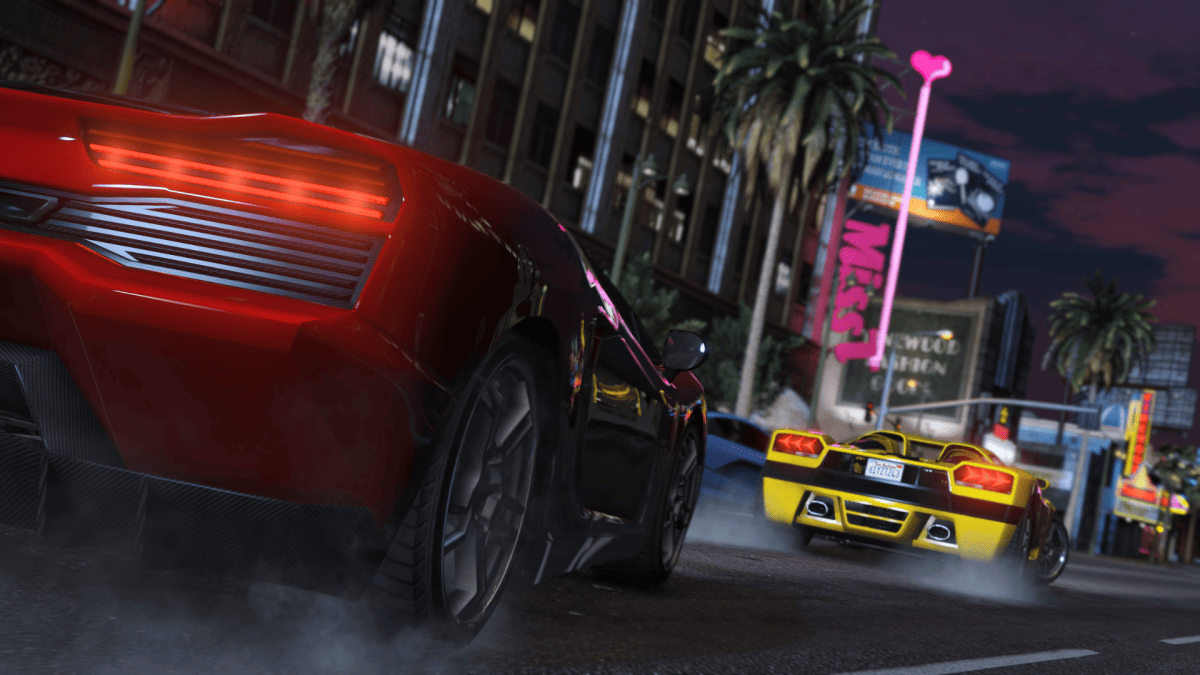
GTA 6 Creators: The Beating Heart of Global Anticipation
Since GTA VI's first trailer in December 2023, an unprecedented creative wave has flooded the internet. From Twitch streamers to specialized YouTubers, from game theorists to forum moderators: a global community has organized itself around this monolithic wait until November 19, 2026. This phenomenon isn't trivial. It's redefining the relationship between fans and the video game industry, transforming every frame of a trailer, every unconfirmed rumor, every official Rockstar statement into creative raw material.
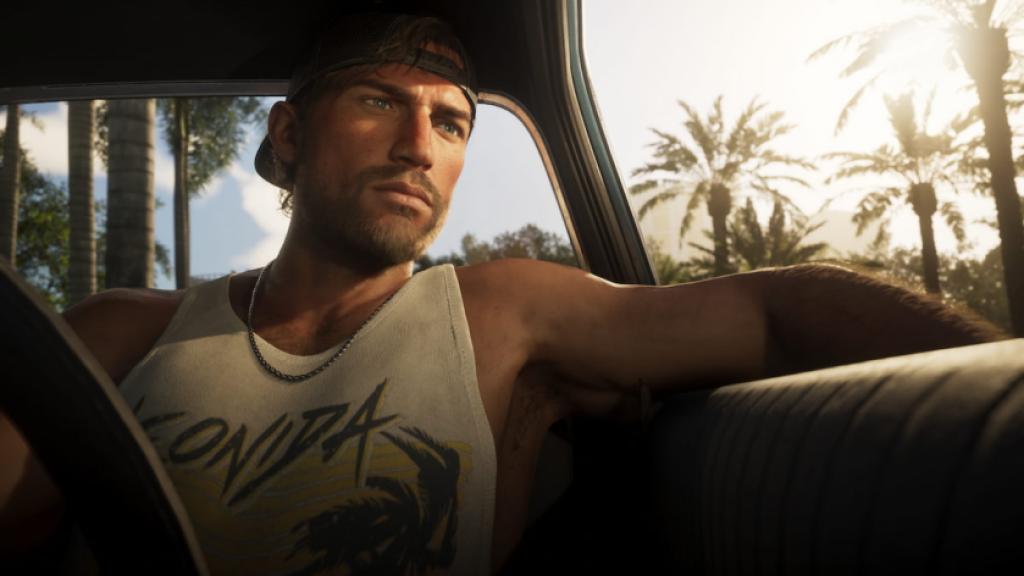
The context is unprecedented. Thirteen years after GTA V (2013), the hunger for criminal content, urban exploration and immersive narrative has crystallized. The arrival of Lucia Caminos, the series' first female main protagonist, alongside Jason Duval, has electrified the debates. The fictional state of Leonida, inspired by Florida, with Vice City at its heart, promises a nostalgic journey loaded with emotion. And creators have smelled the gold: this two-year wait, rich with mysteries and fragmented official confirmations, offers inexhaustible material.
YouTubers: Myth Decoders
YouTube remains the major platform for in-depth GTA VI analysis. Unlike live streams, which capture raw emotion and improvisation, YouTube videos allow for complex editing, frame-by-frame comparisons with GTA V, and richly documented theories.
Specialized GTA creators have structured their content around several reliable pillars:
- Deciphering official trailers: Every second of both trailers (2023 and 2025) has been analyzed from every angle. What vehicles can you spot? What locations can you recognize? What narrative subtleties are hidden in Lucia and Jason's dialogue?
- Vice City / GTA VI comparisons: Nostalgia calls for it—parallel videos explore how Leonida reinterprets Vice City. In what ways does the RAGE technology redefine 1980s aesthetics?
- Rumor and leak analysis: Unconfirmed, but circulating on forums and networks. Quality YouTubers clearly distinguish between established facts and community speculation. This work of sorting, evaluating sources and reliability has become a craft.
- Educational guides: Even before release, creators produce videos explaining editions (Standard $79.99, Ultimate $99.99), pre-orders, confirmed release regions (PS5 and Xbox Series X|S on November 19, 2026).
This YouTube production creates a multiplier effect. A popular creator with 500,000 subscribers launches a coherent theory (even if unconfirmed), and it spreads through comments, Discord servers, Reddit forums. It becomes an element of community folklore, enriching collective anticipation.
Twitch and Live Streamers: The Emotion of the Live
If YouTube is knowledge, Twitch is emotion. GTA 6 streamers offer very different content: raw reactions to official announcements, chaotic and passionate debates, live theorizing sessions where 10,000 viewers post simultaneously in chat.
Dominant categories:
- Reactions to trailers and announcements: Every official reveal triggers a wave of streamers launching a "GTA 6 TRAILER REACTION" or "ROCKSTAR ANNOUNCEMENT" session. These videos capture the instantaneity of disappointment, excitement, debates over the relevance of design choices.
- Collaborative speculation: Multiple streamers play in co-stream, analyzing a trailer element together. Collective intelligence emerges: someone spots a sign, another recognizes an architectural detail, a third formulates a hypothesis about underlying game mechanics.
- Nostalgic sessions: Streamers replay GTA III, GTA: Vice City (the original 2002 game), GTA: Vice City Stories, to stay connected to the franchise before the big day. These playthroughs resemble emotional pilgrimages through collective memory.
- Community debates: Jason vs Lucia, who's the better protagonist? Will GTA VI's economic system be revolutionary? Can Leonida rival Los Santos in terms of content density? These debates are never resolved; they perpetuate, generating hours of content.
Twitch also offers a unique social dimension. A viewer creates an account specifically to follow GTA 6 discussions, builds a relationship with the streamer, participates in theories. It's a real-time community, unlike YouTube which is more asynchronous.
Forums and Subreddits: The Archaeology of Detail
Reddit, notably through subreddits like r/GTA6 (remarkably active), has become the documentary backbone of the community. Unlike ephemeral social networks, Reddit archives discussions, classifies them by upvotes, enables asynchronous collaboration through long comment chains.
Reddit culture around GTA VI rests on several principles:
- Archival and organization: Megathreads consolidating all confirmed official information, rigorously distinguished from rumors. A newcomer can quickly understand what's established and what's speculative.
- Collaborative detective work: Users examine trailers pixel by pixel, search for easter eggs, cross-reference clues with old Rockstar or Take-Two statements. It's a modern form of media archaeology.
- Ethical and narrative debates: Lucia Caminos's representation generates nuanced discussions. What issues does her presence raise? How should Rockstar navigate narrative responsibility with two protagonists?
- Data mining and leak sharing: Not officially confirmed, but users claim to have access to information from retailers, developer forums, or files circulating in specialized communities. Reddit serves as a clearing house for this data, with votes determining perceived credibility.
The mods of r/GTA6 play a crucial role: they maintain order, clearly distinguish speculation from facts, and ban chronic misinformation spreaders. This rigor makes Reddit a more reliable space than Twitter, where every whimsical rumor can go viral.
Discord, Creative Collectives and Micro-Communities
Beyond major public platforms, Discord has fragmented the GTA 6 community into hundreds of small universes. Specialized servers unite modders awaiting GTA VI, collaborative streamers, soundtrack enthusiasts, fans of historical Vice City...
These Discord spaces possess unique characteristics:
- Intimacy and density: A server of 500 hyper-engaged members generates more creative content than a subreddit of 500,000 lurkers. It's the law of internet communities: engagement inversely proportional to size.
- Collaborative creation: Fans produce fan-art together, conceptual mods for GTA V simulating supposed GTA VI mechanics, synthwave soundtracks reinterpreting V-Rock for a 2025 Leonida.
- Synchronized events: All-night marathons where the community replays GTA: Vice City (2002) together in Discord video conference, sharing the experience in parallel. It's nostalgic, ritual, communal.
- Access to niche creators: GTA-specialized musicians, deep dataminers, game design theorists use Discord to accumulate and share expertise serving the community.
Creative Content Creators: Fan-Art, Mods and Aesthetics
Beyond analysis and theory, a wave of visual creators has transformed GTA VI into an aesthetic object. On ArtStation, Instagram and TikTok, illustrators produce Vice City reimaginings, portraits of Lucia and Jason, concepts of supposed vehicles.
This creativity takes several forms:
Photorealistic fan-art: Using generative AI tools or pure digital painting, artists create professional-quality Vice City visuals, capturing the supposed 1980s aesthetics of GTA VI. These creations spread vigorously, especially on TikTok where an illustration can rack up millions of views.
GTA V modding: In the absence of playable GTA VI, modders create enhancements for GTA V aiming for an atmosphere closer to Leonida. Texture upscalers, synthwave reshades, additions of vehicles and buildings based on assumptions: it's creative gameplay anticipation.
Musical composition: V-Rock is a confirmed element of GTA VI. Composers produce original synthwave imitating the style, some compiling entire YouTube collections of "GTA VI soundtrack concepts." This music becomes the work or study ambiance for thousands of fans.
Fan cinema: Unofficial short films featuring Lucia and Jason, using Unreal Engine or emulated RAGE engine, imagine narrative scenes. Variable quality, but often sincere emotional impact.
The Creative Economy Around GTA VI
What the community generates isn't just emotional: it's an economy. Creators live (partially or fully) from this content. Revenue comes from several sources:
- YouTube/Twitch monetization: With loyal audiences, GTA VI creators earn through ads, viewer subscriptions and donations.
- Partnerships with retailers and publishers: Pre-order sites pay creators to drive traffic. The Ultimate ($99.99) and Standard ($79.99) editions have interesting margins for affiliates.
- Merch and derivative products: T-shirts, posters, mugs with Vice City or Leonida designs, often available through Teespring or Printful. Creators with 100,000+ followers generate significant supplementary revenue.
- Patreon and crowdfunding: Fans directly finance creators for exclusive content, in-depth analysis, private streams.
This economy is fragile: it depends entirely on waiting for GTA VI. On November 19, 2026, speculative content will collapse, replaced by guides, playthroughs, speedruns, real-time discoveries. Creators who've built an audience on pure theorizing must anticipate this transition.
Mythology and Community Folklore
Waiting for GTA VI has generated unique folklore. Urban legends circulate on forums: supposedly high-resolution leaks (unverified), supposed leaked developer conversations (probably false), predictions based on absurd patterns (the date November 19, 2026 itself has generated numerology theories).
This folklore is powerful. It creates a shared culture where every fan, even novices, can participate. A far-fetched theory can launch a passionate 500-comment debate, even if it's scientifically absurd. That's the function of myth: to create collective meaning.
Memes occupy a central place. Lucia and Jason have inspired infinite variations of meme culture. The ridiculous expectations placed on this game ("GTA VI cures cancer," "GTA VI set in space") go viral. These memes, seemingly trivial, serve a function: they express the absurd intensity of anticipation by turning it into comedy.
FAQ
What are the official facts confirmed about GTA VI that creators must use?
Official information confirmed by Rockstar and Take-Two includes: release on November 19, 2026 on PS5 and Xbox Series X|S, Standard ($79.99) and Ultimate ($99.99) editions, two protagonists Jason Duval and Lucia Caminos, State of Leonida inspired by Florida with Vice City's return, RAGE engine, and confirmed presence of V-Rock radio. Any other information (map details, specific mechanics, full multiplayer content) remains unconfirmed. Responsible creators clearly distinguish facts from rumors.
Where do fans find the most reliable unofficial leaks and information?
Reddit (notably r/GTA6) applies documentary rigor with consolidated megathreads of sources. Discord enables collaborative verification. YouTube offers critical analysis of source reliability. However, no leak is officially confirmed: all must be treated as unverified rumors until Rockstar confirms them. Reputable creators explicitly warn their audience of this distinction.
How do creators manage the transition from speculative waiting to playable GTA VI in November 2026?
It's the major strategic challenge. Creators built on pure theorizing must pivot to discovery content (guides, secrets, optimizations). Those with passionate but small audiences can go deeper: complex narrative analysis of Jason and Lucia, exhaustive Leonida exploration, historical comparisons with Vice City (2002). Streamers must plan launch marathons, competitive speedruns. The key: anticipate this narrative transition now.
Does the GTA 6 community surpass other waiting-for-games communities?
GTA VI generates unprecedented creative intensity in gaming history. Thirteen years after GTA V, the anticipation is monolithic. Lucia Caminos's arrival (first main female protagonist) amplifies narrative stakes. Leonida and Vice City crystallize generational nostalgia. Creators detect this uniqueness: there's no precedent. Elden Ring, Starfield, even GTA V at launch didn't generate this fragmented and intense creative ecosystem. This phenomenon, documentable until November 19, 2026, fascinates media sociologists.