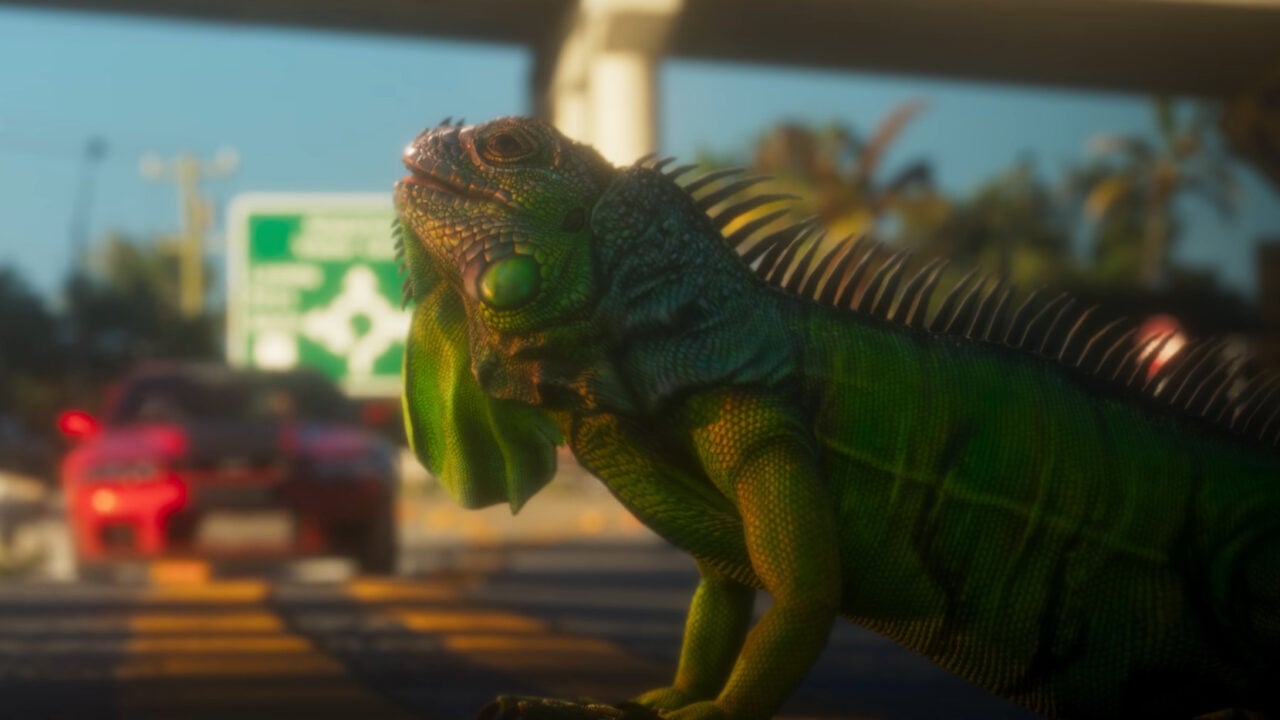
Trailer Comparison Ignites Graphics Downgrade Debate: What Fans Are Actually Seeing
The release of Grand Theft Auto 6's second official trailer in 2025 has reignited a heated conversation within the gaming community—one that surfaces with nearly every major AAA launch. Players comparing the latest footage to December 2023's debut reveal are pointing to what they perceive as softer textures, reduced visual clarity, and lower overall fidelity. The complaint? That the newest showcase looks like a "blurry downgrade" from the first announcement. This narrative has spread across Reddit, YouTube comment sections, and gaming forums, prompting serious questions about whether Rockstar Games is delivering on its visual promises for the November 19, 2026 launch on PS5 and Xbox Series X|S. Here's what we actually know—and what's speculation.
- Confirmed: Rockstar released two official trailers (December 2023 and 2025); both show RAGE engine footage on PS5/Xbox Series X|S—no PC version revealed yet.
- Rumor / unconfirmed: Claims that Trailer 2 shows "downgraded graphics" compared to Trailer 1 are largely based on compression, resolution differences, and playback platform variability—not necessarily a development step backward.
- Key context: Trailers are heavily compressed for YouTube delivery and streaming optimization; final retail code often looks sharper than marketing footage.
- Developer note: Rockstar has not officially addressed visual downgrade claims; the company typically stays silent on such debates until launch.
- Timeline: Both trailers show pre-release builds; final optimization happens in the months leading to November 2026.
Understanding Video Compression and Trailer Delivery
Before diving into pixel-level comparisons, it's essential to understand how modern trailers reach audiences. YouTube, the primary platform for both GTA 6 trailers, compresses video content aggressively. A 4K HDR master file destined for a streaming platform is heavily processed—color grading is adjusted for YouTube's color space, bitrate is reduced to ensure smooth playback across billions of devices, and resolution scaling optimizes for various screen sizes.
Why Trailers Look Different Than Raw Gameplay
The December 2023 trailer and the 2025 follow-up were both encoded by Rockstar Games' marketing team for maximum reach and engagement. This means:
- Compression artifacts: YouTube's VP9 codec introduces visual noise, banding in gradients, and reduced texture detail at lower bitrates.
- Color grading variations: Each trailer may use different color timing to match Rockstar's marketing aesthetic—warmer or cooler tones, different contrast levels, or adjusted saturation.
- Resolution and frame rate: The December 2023 reveal was available in up to 4K; the 2025 trailer may have been re-encoded at different specifications, affecting perceived sharpness.
- Display settings: Viewers watching on phone screens, laptops, or TVs with varying brightness, calibration, and refresh rates will perceive the footage differently.
Confirmed: Both official GTA 6 trailers are developed using the RAGE engine running on PS5 and Xbox Series X|S hardware, as stated by Rockstar Games in official announcements.
Side-by-Side Visual Analysis: What Changed?
Dedicated fans and content creators have conducted frame-by-frame breakdowns of both trailers, identifying specific visual differences. Let's separate confirmed observations from speculation:
Confirmed Visual Elements Present in Both Trailers
| Visual Feature | Trailer 1 (December 2023) | Trailer 2 (2025) | Notes |
|---|---|---|---|
| Character models (Jason & Lucia) | High detail, facial animation | High detail, facial animation | Comparable fidelity; no obvious downgrade in character work |
| Environmental texture density | Visible in close-ups | Visible in close-ups | Compression makes direct comparison difficult; no confirmed reduction |
| Dynamic lighting (neon, streetlights) | Vibrant, high contrast | Vibrant, high contrast | Vice City neon aesthetic consistent across both reveals |
| Draw distance & LOD | City skyline detail visible | City skyline detail visible | Leonida's scale portrayed similarly in both marketing materials |
| Vehicle reflections & paint | Present, detailed | Present, detailed | No confirmed visual regression in vehicle rendering |
Perceived Differences and Their Likely Causes
Softness in Trailer 2: Community members report that certain scenes—particularly those with fine details like foliage, fabric textures, and distant objects—appear softer or less defined in the 2025 trailer. This is most likely attributable to YouTube's compression algorithm, which prioritizes color and motion preservation over texture sharpness, especially in busy scenes with lots of movement.
Color grading shift: Some observers note that Trailer 2 employs slightly different color timing, particularly in outdoor scenes. This is a deliberate creative choice by Rockstar's marketing department and does not reflect a gameplay graphics downgrade. Trailers are often color-graded to match seasonal or narrative themes—the 2025 trailer may emphasize different moods or times of day.
Motion blur and antialiasing: The perceived blurriness in Trailer 2 may also stem from different antialiasing settings or motion blur parameters used during the trailer's in-engine capture. These are optimization tools that developers use to balance performance and visual quality—not indicators of downgraded assets.
Rumor / unconfirmed: Claims that Rockstar "scaled back" visual ambition between trailers lack official confirmation and contradict the studio's track record of visual polish at launch. No developer statements support this narrative.
The History of Graphics Downgrade Claims in AAA Gaming
This is not the first time a major release has faced visual downgrade accusations. The phenomenon is a recurring pattern in the AAA gaming cycle, often rooted in legitimate but resolvable issues:
Historical Examples
The Witcher 3 (2014): Pre-launch trailers showed enhanced graphical fidelity that was reduced in the final retail version to meet performance targets on PS4 and Xbox One. CD Projekt Red later released a "Ultra" patch for PC that restored visual features, validating community concerns about a gap between marketing and delivery.
Watch Dogs (2014): Ubisoft's open-world title faced severe backlash when the PS4 and PC versions appeared visually inferior to the E3 2012 reveal video. The gap was substantial and documented, leading to ongoing criticism of the studio's marketing practices.
Cyberpunk 2077 (2020): CD Projekt Red's launch trailer conveyed a level of visual fidelity and optimization that the game did not achieve on console platforms at release, resulting in refunds and reputational damage.
However, it's also worth noting that modern trailers use heavy compression and carefully curated footage—factors that often inflate the appearance of visual quality beyond what typical gameplay footage will convey.
What Rockstar Has Confirmed About GTA 6's Graphics and Performance
Rockstar Games has been notably reserved in its technical disclosures about Grand Theft Auto 6, releasing information through official channels primarily focused on gameplay, story, and narrative elements rather than technical specs. Here's what stands confirmed:
- Engine: GTA 6 runs on the RAGE engine (Rockstar Advanced Game Engine), an in-house technology evolved from previous generations but optimized for PS5 and Xbox Series X|S architecture.
- Platforms (confirmed): PS5 and Xbox Series X|S as launch targets on November 19, 2026. No PC version date announced.
- Resolution and frame rate (unconfirmed): While rumors suggest 60 fps and 4K resolution on both platforms, Rockstar has not officially published technical specifications.
- Visual scope: Trailers showcase a detailed, expansive recreation of Vice City (Leonida) with dynamic weather, tropical environments, and dense urban density.
Confirmed: Rockstar Games developed GTA 6 specifically for PS5 and Xbox Series X|S, with optimization beginning in 2023 and continuing through the November 19, 2026 release date.
Why Trailer Compression Matters More Than Most Realize
Modern streaming platforms impose strict technical limitations on video files. YouTube, while offering 4K upload capabilities, uses aggressive compression algorithms that differ significantly from a raw, uncompressed video signal. Consider these specifics:
YouTube's VP9 Codec and Visual Loss
YouTube uses Google's VP9 video codec, which is efficient but introduces perceptual loss—particularly in high-frequency details (fine textures, thin lines, small details). A scene with detailed foliage, complex fabric patterns, or intricate architectural details will lose definition when VP9-compressed, even if uploaded at 4K. This is invisible to the average viewer but becomes apparent during frame-by-frame technical analysis.
Additionally, YouTube's bitrate limits vary by region and network conditions. A viewer on a mobile device with limited bandwidth may receive a file encoded at 5 Mbps, while a desktop user on fiber might receive 25 Mbps. The difference in visual fidelity is substantial.
Color Space Conversion
Professional video production uses wide color gamuts (DCI-P3 or Rec. 2020), while YouTube's standard delivery is Rec. 709—a narrower color space developed for television. This conversion can result in color banding, reduced saturation, or subtle shifts in tone that are visible in high-contrast scenes (like neon environments in Vice City).
Rockstar's December 2023 trailer and 2025 follow-up may have used different color profiles during export, creating a subjective impression of visual downgrade when the difference is actually encoding methodology.
The Role of Pre-Release Optimization
A critical context point: both trailers were created using pre-release builds of the RAGE engine. Between December 2023 and the November 19, 2026 launch, Rockstar's optimization team will continue refining visual systems, reducing pop-in, improving texture streaming, and enhancing performance headroom. This is standard practice in AAA game development and historically results in improvements—not degradation—between trailer footage and retail release.
For example, if Trailer 2 shows a slightly softer appearance in certain scenes, this could indicate that Rockstar prioritized performance stability and frame rate consistency over pixel-perfect sharpness in that particular build. The final version, compiled months later with matured driver support from Sony and Microsoft, will likely show improvements.
Community Sentiment and the Hype Cycle
The "downgrade" narrative thrives partly because of the hype cycle surrounding major releases. After December 2023's debut trailer—which was universally praised for its visual quality and ambition—a natural letdown occurs when a second trailer feels incrementally less impressive. This is a psychological phenomenon known as "comparative disappointment," where expectations calibrated by the first reveal set an artificially high bar for the second.
Additionally, social media algorithms reward contentious discussions. A YouTube video titled "GTA 6 Trailer 2 DOWNGRADE Comparison" will generate more engagement than "GTA 6 Trailer 2 Looks Great (Compression Effects Explained)." This incentivizes creators to frame the narrative negatively, even when technical evidence is ambiguous.
What We'll Know for Certain: November 19, 2026 and Beyond
The definitive answer to the downgrade question will emerge after November 19, 2026, when retail copies ship to millions of players. At that point, direct comparison between final code and trailer footage will settle the debate conclusively. Gaming media outlets, technical analysts, and content creators will conduct frame-by-frame breakdowns using gameplay footage captured directly from PS5 and Xbox Series X|S hardware—not compressed YouTube streams.
Historical precedent suggests two likely outcomes:
- Visual parity or improvement: Final GTA 6 retail code matches or exceeds trailer footage, validating Rockstar's technical claims and developer skill. This outcome aligns with the company's reputation for polish and optimization (evident in GTA 5's 13-year lifespan and consistent visual performance).
- Minor gap: Certain visual features or performance optimizations result in marginal differences from trailer footage—a trade-off between 60 fps, draw distance, or visual fidelity. This scenario, while disappointing, is common and typically addressed through post-launch patches.
A severe visual downgrade comparable to Cyberpunk 2077 or Watch Dogs would be a stunning deviation from Rockstar's development culture and is considered unlikely by industry analysts.
Separating Fact from Noise in the Downgrade Debate
As with all viral gaming narratives, the truth likely sits between extremes. GTA 6's trailers almost certainly use YouTube compression, deliberate color grading, and curated footage—all standard marketing practice. Perceiving differences between trailers is not invalid, but attributing those differences to a wholesale graphics downgrade requires evidence beyond compression artifacts and subjective impressions.
The healthiest approach for fans is to acknowledge that:
- Trailers are marketing materials, not pixel-perfect gameplay captures.
- Compression, color grading, and platform differences create perception gaps.
- Pre-release builds improve between trailer captures and retail launch.
- Technical disappointment, if it occurs, will be evident within days of launch—not speculative before it.
Until November 19, 2026 arrives and players experience the final product on their hardware, claims of visual downgrade remain speculative interpretations of compressed video content.
Sources & Official
- Rockstar Games Newswire (official announcements, trailers)
- Take-Two Interactive investor relations (technical platform specifications)
- Official GTA 6 YouTube channel (December 2023 and 2025 trailers)
- PlayStation and Xbox official channels (hardware capability documentation)
- RAGE Engine documentation (publicly available technical overviews)
FAQ
Is GTA 6 Trailer 2 actually lower quality than Trailer 1?
Not definitively. Both trailers use YouTube compression, which introduces visual artifacts that make direct comparison unreliable. The perceived softness in Trailer 2 is most likely caused by encoding, color grading choices, or motion blur settings—not a development regression. Confirmed visual elements (character models, lighting, environmental detail) appear comparable in quality across both reveals.
Will the final GTA 6 game look like the trailers?
Retail releases typically match or exceed trailer footage by launch day, since developers have months to optimize after marketing materials are finalized. However, minor trade-offs between frame rate, draw distance, and visual fidelity are common. Rockstar's track record with GTA 5 and Red Dead Redemption 2 suggests strong visual parity between marketing and retail code.
When will we know if GTA 6 is actually "downgraded"?
November 19, 2026 and the days following launch, when millions of players experience the game on PS5 and Xbox Series X|S. At that point, direct gameplay footage captured natively from console hardware will provide definitive evidence—not compressed YouTube streams. Gaming media and technical analysts will publish detailed comparisons within the first week.
Has Rockstar Games addressed the downgrade claims?
As of early 2025, Rockstar has not officially commented on community downgrade speculation. The studio typically avoids engaging with viral gaming narratives and instead lets the final product speak for itself. This silence is consistent with Rockstar's marketing approach across previous launches.