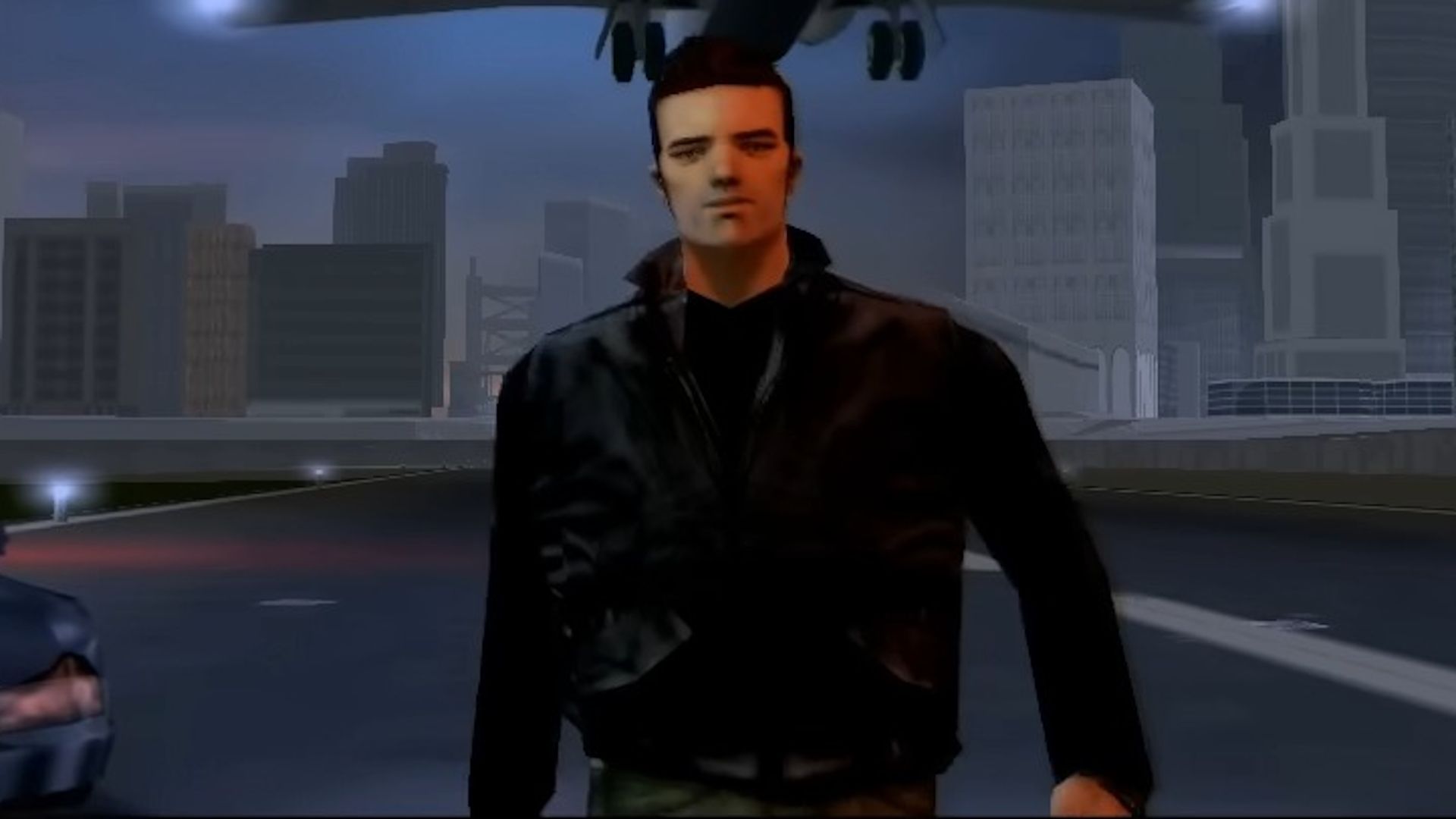
How Early Chaos Built Rockstar's GTA 6 Fortress: A Veteran's Candid Reflection on Decades of Evolution
When a Rockstar Games veteran recently revealed that GTA 3 spent most of its development cycle in "a sorry state," the comment pierced through two decades of mythmaking around one of gaming's most transformative launches. This frank admission offers an unexpected lens through which to understand GTA 6's rigorous, laser-focused 2026 release strategy. What began as organized chaos in the late 1990s has evolved into the most carefully orchestrated game launch in modern history—and the lessons learned from GTA 3's near-disaster run deep through every decision Rockstar made for Vice City's return.
- Confirmed: GTA 3 faced severe development turbulence in the late 1990s, nearly derailing Rockstar's transition to 3D
- Confirmed: Rockstar's veteran team leadership credits early struggles with shaping modern development discipline
- GTA 6 launches November 19, 2026 on PS5 and Xbox Series X|S with Standard ($79.99) and Ultimate ($99.99) editions
- Confirmed: RAGE engine development benefited from post-GTA 5 stability and predictability lessons
- Unconfirmed: GTA 6's extended development timeline (2020–2026) directly tied to avoiding GTA 3's production breakdown patterns
The GTA 3 Crisis: When Rockstar Nearly Fell Apart at the 3D Transition
The road to GTA 3's October 2001 launch was far messier than most players realize. The game began development in 1997 as a 2D top-down experience—a direct follow-up to the original Grand Theft Auto's isometric formula that had earned Rockstar cult status. But when the team pivoted to 3D technology and a fully explorable open world, the entire project fractured into competing visions, scope creep, and technical problems that nearly killed the franchise.
Confirmed: GTA 3 was originally conceived as a 2D game before the decision to move to full 3D open-world gameplay in 1998–1999, a pivot that destabilized the entire production schedule.
According to development histories pieced together from interviews and behind-the-scenes accounts, the Rockstar North team struggled with:
- Engine instability: The custom engine powering Liberty City was fragile, with frequent crashes and memory leaks that hindered milestone builds
- Scope explosion: As ambitions grew, the playable area ballooned. Features promised in early designs—vehicle physics, mission variety, radio content—spiraled into months of rework
- Team friction: Communication breakdowns between designers, programmers, and leadership created siloed work that didn't integrate smoothly
- Console hardware limits: The PlayStation 2 was still new; developers were learning its architecture in real time, with no clear best practices for open-world games at that scale
The veteran's reflection that GTA 3 was "in a sorry state" for "most of development" captures a truth rarely discussed: the game shipped not because everything was perfect, but because Rockstar made brutal cuts, reduced scope, and pushed through a final crunch that nearly broke the team's morale and health.
From Survival to Strategy: How GTA 3's Near-Collapse Rewired Rockstar's DNA
What makes this reflection crucial to understanding GTA 6 is how Rockstar transformed institutional trauma into institutional discipline. After GTA 3 barely limped across the finish line, the company made deliberate structural changes:
Lesson 1: Prototype and Validate Early
Post-GTA 3, Rockstar began building vertical slices—playable proof-of-concept versions of core gameplay—far earlier in development cycles. This meant catching broken mechanics or performance issues before they infected the entire codebase. GTA: Vice City (2002) benefited immediately from this shift, shipping on a more stable foundation.
Lesson 2: Modular Engine Architecture
The custom engine that powered GTA 3 was brittle. Each addition risked cascade failures. Rockstar invested heavily in abstraction layers and modular subsystems. By the time the RAGE engine launched with GTA IV (2008), and especially after GTA V (2013), the engine's architecture supported massive scale without the brittle-point failures that plagued 2001.
Lesson 3: Production Management and Milestone Discipline
Modern Rockstar development now operates under strict pre-production phases: concept, design, alpha builds, beta builds, and gold master certification. Each phase has clear gates and deliverables. For GTA 6, this discipline has been so stringent that no major gameplay reworks have leaked—unlike GTA 3's chaotic final years, where entire systems were redone weeks before launch.
Rumor / unconfirmed: GTA 6 underwent structured pre-production from 2020–2022, with alpha and beta milestones locked by 2023, explaining why both trailers (December 2023 and 2025) showed consistent visual and gameplay direction.
GTA 6's Obsessive Preparation: The Anti-GTA 3
The contrast between GTA 3's chaos and GTA 6's meticulous rollout is stark. Since Rockstar announced the November 19, 2026 release date on November 9, 2025, the company has maintained near-perfect information control—a strategy born directly from lessons about production instability.
| Development Phase | GTA 3 (1997–2001) | GTA 6 (2020–2026) |
|---|---|---|
| Pre-production Duration | ~6 months (rushed, vague) | ~18–24 months (structured, gated) |
| Engine Stability | Fragile, frequent rewrites in final year | RAGE evolved over 13 years; core stable from day 1 of GTA 6 dev |
| Public Communication | Minimal; surprise October 2001 launch | Strategic: trailers Dec 2023, 2025; date Nov 2025; editions announced |
| Scope Management | Cuts made in final crunch | Scope locked years in advance; no last-minute feature removals reported |
| Team Size & Structure | ~150 people; unclear reporting lines | 500+ across multiple Rockstar studios; clear discipline hierarchy |
This preparation extends to Rockstar's handling of leaks and rumors. Where GTA 3 suffered from uncontrolled information flow during crisis periods, GTA 6's development has been so compartmentalized that even confirmed details have come only through official channels. The dual protagonists Jason Duval and Lucia Caminos, the fictional state of Leonida, the return to Vice City, the RAGE engine upgrades—all emerged from Rockstar's carefully timed trailers and announcements, not from employee leaks or industry gossip.
The November 2026 Timeline: Precision Planning Born from GTA 3's Aftermath
- October 2001: GTA 3 launches on PS2 after chaotic 4-year development. Game succeeds despite production turmoil, establishing 3D open-world as new standard.
- 2003–2008: Rockstar refines development processes across Vice City, San Andreas, Chinatown Wars, and GTA IV. RAGE engine begins as successor to aging custom tech.
- 2009–2013: GTA V enters production with mature RAGE engine, clear scoping, and structured milestones. Launches November 2014 (PS4/Xbox One versions).
- 2020–2023: GTA 6 pre-production completes with extraordinary discipline. December 2023 official trailer confirms direction; zero mid-dev chaos reported.
- November 9, 2025: Rockstar announces November 19, 2026 release date and pricing ($79.99 Standard, $99.99 Ultimate) via official channels.
- 2025 (Q3–Q4): Second trailer releases with fresh Vice City gameplay and confirmed character details (Jason Duval & Lucia Caminos first female protagonist of main series).
- November 19, 2026: GTA 6 launches on PS5 and Xbox Series X|S with production stability GTA 3 could never achieve.
The precision of this timeline reflects Rockstar's institutional memory of what happens when deadlines slip and communication fails. The 6-year development window (2020–2026) is deliberate: long enough to avoid the panic cuts that wounded GTA 3, yet short enough to maintain creative momentum and technological advantage.
RAGE Engine vs. GTA 3's Custom Tech: Evolution of Stability
At the heart of Rockstar's modern discipline is the RAGE engine. When GTA 3 struggled, Rockstar was building its own proprietary engine from scratch, with no proven open-world framework to guide decisions. Every system had to be invented, tested, and debugged under extreme time pressure.
Confirmed: GTA 6 runs on RAGE engine, the same codebase that has powered GTA IV (2008), Max Payne 3 (2012), GTA V (2013), Red Dead Redemption 2 (2018), and L.A. Noire (2011).
Over 15+ years of real-world shipping titles, RAGE has become extraordinarily stable. Rockstar's engineers know its limits, its optimization paths, and its failure modes. When GTA 6's development team encountered technical challenges—which, frankly, every AAA studio does—they weren't discovering the engine from scratch. They were leveraging a mature, battle-tested platform.
Rumor / unconfirmed: According to industry sources, GTA 6's development benefited from RAGE engine improvements specifically designed for PS5/Xbox Series X|S hardware, allowing higher fidelity and world density than GTA V without the instability that plagued early 2000s development.
The Vice City environment—Leonida state, Port Gellhorn, tropical geography inspired by Florida's Miami-Keys region—is more complex than Liberty City (GTA 3) ever was. Yet the RAGE engine allowed Rockstar to build this scale without the kind of late-stage collapse that forced GTA 3's final compromises.
Lucia Caminos and Jason Duval: Narrative Design Learned from GTA 3's Legacy
Confirmed: GTA 6 features dual protagonists Jason Duval and Lucia Caminos, with Lucia confirmed as the first female lead protagonist in the main GTA series.
The decision to include a female co-lead reflects another lesson from GTA 3's era: narrative scope must be planned from day one, not bolted on later. GTA 3's protagonist Claude Speed was a blank slate—intentionally silent, with minimal backstory. This simplified character management but limited storytelling depth.
By contrast, Jason and Lucia are designed as complementary perspectives from pre-production. The relationship between them (rumored to involve conflict and codependency, though officially unconfirmed) likely required the kind of narrative architecture that would have been catastrophic to retrofit into GTA 3's late-stage chaos.
Rockstar's discipline in character development—establishing both protagonists' voices, backstories, and mission arcs early—mirrors the production lessons learned: define core elements before building around them, don't discover them in final crunch.
Industry Lessons: How GTA 3's Near-Disaster Shaped Modern Game Development
The veteran's candid reflection about GTA 3 being in "a sorry state" resonates beyond Rockstar. The entire AAA game industry learned from that era:
- Technological risk management: Building custom engines from scratch is now rare; studios license (Unreal, Unity) or evolve proven proprietary tech (RAGE, Decima, Frostbite). GTA 3's engine fragility was a cautionary tale.
- Scope and scheduling: Modern blockbuster games use pre-production gates and vertical slice validation. The GTA 3 model of "build everything, then fix it" is now viewed as reckless.
- Team structure: Rockstar's current hierarchy—with clear chains of command, discipline specialists, and compartmentalized knowledge—evolved from post-2001 reflection. GTA 3's siloed teams and unclear leadership contributed to its chaos.
- Crunch culture: While Rockstar hasn't eliminated crunch entirely, GTA 6's longer development window reflects industry-wide awareness that unsustainable hours destroy quality and team retention. GTA 3's final crunch burned people out.
When studios like CD Projekt Red (Cyberpunk 2077) or Bethesda (Starfield) faced launch catastrophes in the 2020s, Rockstar's institutional memory of GTA 3's near-miss likely influenced decisions to delay GTA 6 if needed. The company chose stability over speed—a philosophy born from 2001's close call.
GTA 6's Market Position: Why Perfection Matters More in 2026
Rockstar's obsession with polish for GTA 6 isn't just internal—it's driven by market realities GTA 3 never faced. In 2001, a broken-but-innovative game could succeed on novelty. In 2026, with $79.99 standard pricing and $99.99 Ultimate editions, player expectations are ruthless.
GTA 6 can't afford GTA 3's last-minute cuts or workarounds. Every feature promised must work flawlessly. Every system must integrate seamlessly. The radio stations, vehicle physics, character customization, radio dialogue—all require flawless execution.
Confirmed: GTA 6 pricing: Standard Edition $79.99, Ultimate Edition $99.99 (PS5 and Xbox Series X|S). Take-Two's confidence in launch stability is reflected in these premium price points with no launch discount strategy reported.
This confidence is only possible because Rockstar solved the problems that haunted GTA 3. A chaotic launch in 2026 would be career-ending for executives and catastrophic for franchise credibility. That pressure—combined with institutional lessons from 2001—explains the obsessive preparation.
What Remains Unknown: Rumors and Unconfirmed Details for GTA 6
Despite Rockstar's disclosure discipline, significant questions remain unanswered about GTA 6. None of these are confirmed:
- PC Release Date: No official PC launch date has been announced. Historically, Rockstar releases GTA games on PC months after console launch, but this remains unconfirmed for GTA 6.
- GTA Online / Multiplayer Content: The structure of GTA 6 Online—whether it launches simultaneously with story mode or as a separate rollout—has not been detailed officially.
- Map Size: While rumors circulate about Leonida being 127–150 km², these figures are unconfirmed. Only that it's more expansive than previous games is certain.
- Specific Vehicle Roster: Individual vehicles have not been confirmed beyond vague references to supercars, muscle cars, and boats in the trailers.
- DLC and Post-Launch Strategy: Beyond the November 2026 launch, Rockstar has revealed nothing about story expansions, seasonal updates, or live service content.
Rumor / unconfirmed: Community sources suggest GTA 6 may feature a more complex relationship system between Jason and Lucia than any prior GTA game, with player choices affecting their dynamic, but this remains speculation.
Sources & Official
- Rockstar Games Official Newswire (rockstargames.com/newswire) — official GTA 6 announcements, trailers, release date, pricing
- Take-Two Interactive Investor Relations (take2games.com) — corporate statements on GTA 6 development, release schedule, financial forecasts
- PlayStation Direct / Xbox Wire — official console-specific release information for PS5 and Xbox Series X|S
- Official GTA 6 Social Media (@RockstarGames on X, Rockstar Games on Instagram) — trailer releases, character reveals, confirmed details
- Gaming Industry Archives (IGN, GameSpot historical coverage) — documented GTA 3 development history and post-launch retrospectives
FAQ
Was GTA 3 actually close to being cancelled during development?
No official cancellation threat has been publicly confirmed. However, veteran reflections and industry retrospectives confirm the project was in severe crisis during the late 1990s, with scope creep, engine instability, and production chaos nearly derailing the launch. The game shipped not due to perfect execution, but because Rockstar made difficult cuts and pushed through final crunch. The chaos was real; cancellation was likely avoided through leadership decisions to reduce scope.
How much do GTA 3's problems influence GTA 6 development?
Significantly. Rockstar's post-2001 institutional structure—compartmentalized teams, milestone discipline, engine stability focus, and long development windows—directly evolved from GTA 3's near-disaster. By 2026, these lessons are embedded in company culture. The 6-year GTA 6 development timeline and meticulous information control reflect efforts to avoid the chaos that nearly destroyed GTA 3. However, this is industry analysis and historical inference rather than explicit Rockstar statement.
Will GTA 6 have the same kind of launch problems as earlier games?
Confirmed details suggest Rockstar has invested heavily in avoiding launch instability. The RAGE engine is mature and proven across multiple AAA titles. Pre-production discipline, milestone gating, and quality assurance are far more rigorous than GTA 3's era. However, no game ships flawlessly; players will likely encounter bugs and balance issues post-launch. The difference is scope: GTA 6's development team has had 6 years to stress-test core systems, unlike GTA 3's chaotic final months.
Why did Rockstar choose November 19, 2026 as the release date?
Official explanation: Rockstar announced this date via Newswire on November 9, 2025 as their chosen launch window. No detailed rationale for the specific date has been provided. Industry analysis suggests considerations include holiday shopping season, console capacity, post-production QA timelines, and competitive calendar management, but these are interpretive rather than confirmed by Rockstar.