Rockstar's marketing machine: less money, maximum impact
Since the first official trailer dropped in December 2023, Rockstar Games has orchestrated one of the most effective marketing campaigns in video game history—and paradoxically, one of the quietest. While major publishers battle for attention by throwing millions at advertising budgets, Rockstar chose a radically different strategy: let the product speak for itself, control the narrative, and create organic word-of-mouth that crushes traditional campaigns.
This approach isn't new to Rockstar. For two decades, the publisher has leaned on a reputation built on revolutionary games and a powerhouse brand image. But with GTA VI, they've perfected the formula by combining strategic information scarcity, targeted trailers, and a stripped-down yet omnipresent communication strategy. The result: unprecedented hype before anyone has even held the game.
Two trailers that broke the internet: surgical communication weaponry
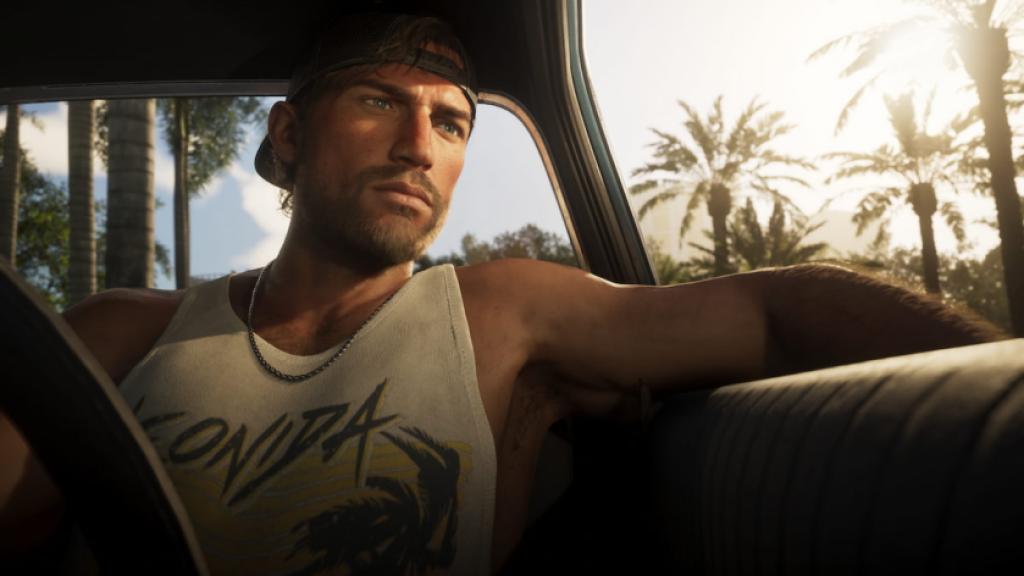
On December 5, 2023, Rockstar released its first official GTA VI trailer. Unlike modern gaming marketing conventions, this one clocked in at just 90 seconds. It was calculated. For 90 seconds, fans got Vice City in 2024, Jason Duval and Lucia Caminos in action, and just enough content to generate millions of questions—without answering a single one.
This strategic teasing approach paid off massively. The trailer racked up over one billion views in just weeks, becoming the most-watched video game trailer content ever. The numbers tell only part of the story: social media erupted for months. Fans dissected every frame, analyzed every detail, debated every visible element. Rockstar spent practically nothing on paid advertising; the internet did the work for them.
In 2025, the second trailer arrived with the same surgical precision. Another short teaser, another batch of fresh details, another viral wave. Rockstar revealed only the essentials: release confirmation for November 19, 2026 on PS5 and Xbox Series X|S, announcement of two editions (Standard at $79.99 and Ultimate at $99.99), and just enough gameplay to confirm creative direction without spoiling the final experience.
Rockstar's core marketing principle: show less, they speculate more. They speculate more, they share more. They share more, you get visibility for free.
Radio silence and anticipation: the secret weapon against overexposure
Between December 2023 and 2025, Rockstar maintained near-total silence. No press conferences, no detailed presentations at major gaming events, no aggressive marketing roadmap. This strategic absence created a vacuum the community eagerly filled themselves: rumors, leaks, supposed datamines, wild speculation.
That void became an unintentional yet perfectly controlled marketing asset. Unlike other AAA franchises that communicate constantly (risking overexposure and fatigue), Rockstar let GTA VI become an organic, natural conversation nurtured by mystery. Every moment of silence was read as a deliberate strategy (it was) to preserve the impact of launch.
This approach also created a context of information scarcity. When a small revelation finally drops, it generates a disproportionate shockwave. Lucia Caminos announced as the first playable female protagonist in a mainline GTA game? Global debate for weeks. Confirmation that the fictional state is called Leonida? Fans immediately mapped its context in their minds. Each drop of information carried more weight than a hundred traditional ad campaigns could muster.
Two protagonists: diversity as legitimate marketing vector
Rockstar understood something many publishers still botch: modern marketing values authenticity and representation. Presenting Jason Duval and Lucia Caminos—an ambitious career criminal and a woman of Latin American heritage as equally playable co-protagonists—wasn't just a narrative choice. It was smart marketing.
For the first time in a mainline GTA entry, fans didn't have a single white male protagonist. Lucia Caminos became the embodiment of narrative revolution in the franchise, and that revolution quickly transformed into a rallying point for a significant portion of the global gaming community. Discussions about her personality, motivations, and character arc (though not yet officially revealed beyond the first trailer) generated infinitely more useful buzz than any traditional TV spot could.
This diversity isn't cosmetic: it becomes a legitimate selling argument that resonates with modern audiences without feeling forced. Rockstar learned from its own past representation missteps, and GTA VI proves the franchise is evolving.
Vice City 2024: nostalgia packaged as marketing product
The return to Vice City, twenty-two years after GTA Vice City (2002), was the most strategically brilliant marketing announcement possible. The original game had etched Vice City into gamers' collective consciousness as a symbol of freedom, glamorized urban crime, and retrofuturistic synthwave. By bringing Vice City back in 2024 (GTA VI's year), Rockstar activated a classic yet devastatingly effective marketing mechanic: instrumentalized nostalgia.
Fans of the original series are now adults. They have disposable income. Rockstar tells them: "Remember Vice City? So do we. And we're bringing it back—bigger, better, with a new generation of protagonists and unprecedented urban density." That's pure narrative marketing, and it works because it's true.
Vice City isn't just a setting; it's an emotional argument. GTA VI's marketing partly rests on this emotional charge accumulated over two decades. Rockstar didn't need to pay celebrities or influencers to hype Vice City's return: fans did it freely, passionately, convincingly.
Minimal presence, maximum impact: social media as megaphone
Rockstar Games maintains official accounts on major platforms (Instagram, Twitter/X, YouTube), but the content strategy there is minimalist compared to other AAA publishers. No daily posts, no marketing memes, no desperate attempts to "stay young and cool" by forcing trends. Instead: rare, precise, always official posts.
This scarcity of official content created a concentration effect. When Rockstar posts something, it becomes news. When Rockstar stays silent for months, that silence becomes news. Fan communities (Reddit, Discord, specialized forums) maintain engagement in the absence of regular content drops: they create fan art, speculate about mechanics, debate every visible detail from the trailers.
This attention economy was brilliant. Rockstar invested minimal marketing dollars but benefited from exponential amplification by millions of unpaid fans acting as viral marketing agents. Organic engagement replaced paid advertising.
Standard vs. Ultimate editions: pricing segmentation as perception strategy
The announcement of two editions (Standard at $79.99 and Ultimate at $99.99) was itself a marketing decision. Instead of a single price, Rockstar created a price perception architecture. This classic premium marketing strategy works because it creates multiple psychological access levels:
- Price-sensitive players opt for Standard but still feel "premium" because the game remains expensive and prestigious.
- passionate fans choose Ultimate, justifying the extra spending through status and supposed content access (details intentionally left vague beyond price difference).
- The mere existence of two editions normalizes a $79.99 or $99.99 purchase for GTA VI instead of scrutinizing the initial price tag.
It's sophisticated segmentation marketing. Rockstar didn't need to justify why Ultimate costs $20 more: the distinction itself suggests added value. Fans debate value proposition, which keeps the topic alive in conversations—and that perpetual engagement is invaluable for a pre-launch product.
No controlled leaks: a trust-building strategy
Unlike many major launches where leaks serve as underlying buzz strategy (totally "accidental" but totally intentional), Rockstar has maintained a fortress around GTA VI details. While rumors and speculation circulated, no unofficial leak compromised the planned big reveals.
This relative absence of uncontrolled leaks strengthens fan trust: Rockstar controls information and timing. When Rockstar speaks, it carries authority. When Rockstar stays silent, that silence has weight. This dynamic creates an asymmetrical communication structure that favors the publisher.
Merchandise: monetizing nostalgia before launch
While official GTA VI merchandise details remain limited (not fully clarified publicly), a GTA VI franchise strategy traditionally includes physical offerings: apparel, figures, limited-edition collectibles. This merchandise strategy begins before game launch to maintain engagement and generate parallel revenue streams from the fan base.
Merchandise functions as a constant reminder: every GTA VI t-shirt worn on the street is a walking advertisement. Every collectible figure on a shelf keeps the game in people's imagination. It's slow-burn marketing through saturation, and it's devastatingly effective.
Comparison with traditional approaches: why Rockstar wins
Rockstar's GTA VI marketing strategy sharply contrasts with massive campaigns from some competitors (Ubisoft, EA) who flood channels with paid advertising, paid influencers, and aggressive marketing content. These approaches cost heavily and generate ad fatigue.
Rockstar instead wagered on:
- Authority: Twenty-five years of revolutionary franchises makes official statements carry weight.
- Scarcity: Less communication = greater impact per message.
- Organic engagement: Fans become buzz vectors, not ad agencies.
- Narrative: Every reveal fits a story (Vice City return, dual protagonists, etc.).
- Mystique: The unsaid creates more value than what's said.
FAQ
How much did Rockstar spend on GTA VI marketing?
Exact marketing budget figures aren't public, but all indicators suggest Rockstar invested minimally in traditional paid advertising compared to standard AAA launches. The exceptional efficiency comes from organic fan amplification and strategic information scarcity rather than massive ad spending.
Why hasn't Rockstar appeared at major gaming events to promote GTA VI?
Rockstar's absence from major conferences (E3 disappeared anyway, Gamescom, etc.) was deliberate strategy: let the community and trailers speak alone. This maintains an aura of exclusivity and concentrates attention on controlled official channels rather than presentations where competitors might steal thunder.
Was the Vice City return purely creative or marketing strategy?
Both. Creatively, Vice City offered a rich narrative framework for new protagonists and unmatched urban density. Marketing-wise, returning to an iconic location activated instant nostalgia and recognition among longtime fans, generating emotional buy-in long before release.
How does Rockstar maintain engagement between trailers without constant communication?
By letting the community do the work. Fans create content (fan art, theories, discussions), streamers debate visible details, and each moment of official silence generates speculative content itself. Rockstar only needs to mark the big reveals; engagement perpetuates itself around the mystery.