The Vice City Enigma: Why a Virtual City from 2002 Still Captivates Us
Twenty-four years. That's how much time separates the release of Grand Theft Auto: Vice City in 2002 from the announcement of GTA VI and the return to Leonida, the fictional state inspired by Florida where our beloved destination is reborn. Two and a half decades, and yet, the mere name Vice City triggers a fascinating psychological phenomenon in fans worldwide: a raw, almost visceral nostalgia—a complex blend of personal memories, fascination with the 1980s, and a quest for narrative perfection that no subsequent games have ever matched.
This collective obsession is far from trivial. It reveals something profound about how a video game can transcend its medium to become a cultural artifact, an interactive time capsule, a place where multiple generations of players have left indelible digital fingerprints. With GTA VI confirmed for November 19, 2026 on PS5 and Xbox Series X|S, this nostalgia reaches unprecedented heights: we're no longer just dreaming of Vice City—we know we'll return to it.
Vice City 2002: The Perfect Alchemy of Three Elements
Understanding why Vice City obsesses us requires dissecting the three pillars that founded its emotional empire:
1. The Retro-Futuristic Aesthetic of the 1980s
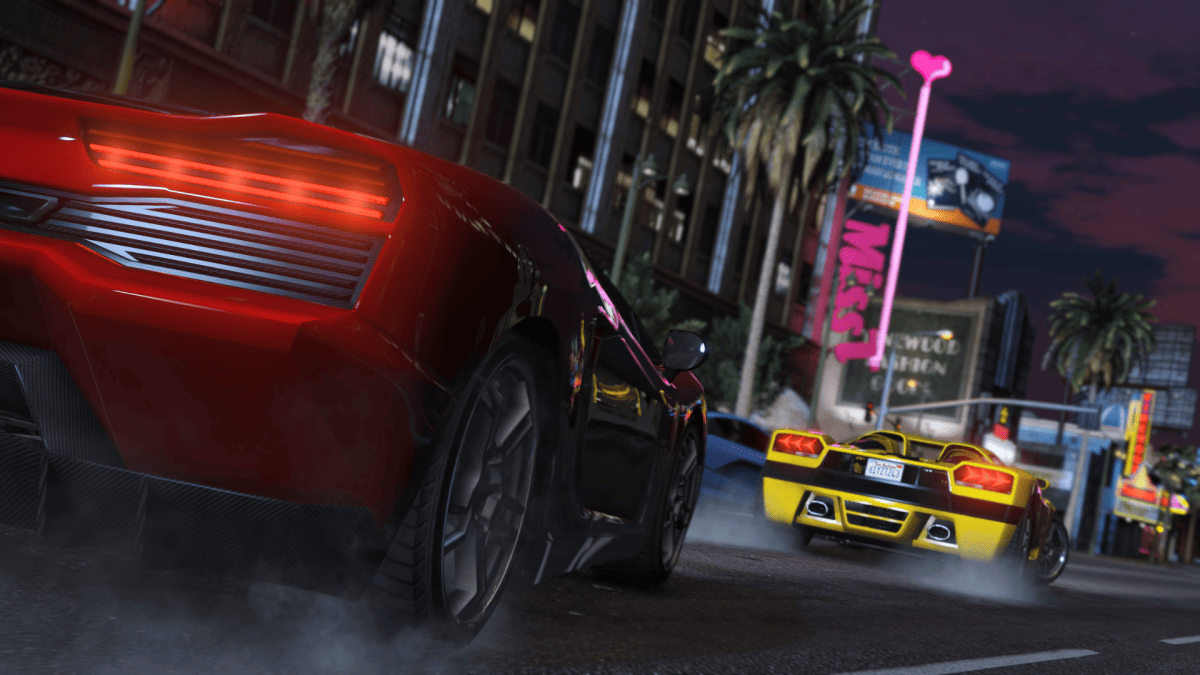
Vice City never merely represented Miami. It embodied a phantasmagoria of the 1980s—a mythologized era when neon burned brighter, technology seemed unlimited, and technological optimism coexisted with untouched ethical decadence. The acidic colors, John Carpenter synths, pastel costumes, chrome-plated convertibles: all of this created a universe where it was not just acceptable but desirable to be a criminal.
This synthwave aesthetic endured and flourished. Three decades after the actual '80s, we collectively decided that era was cool—perhaps because it represented an optimistic, exaggerated version of ourselves, stripped of contemporary digital anxieties. Vice City crystallized this sentiment and locked it in digital amber.
2. Tommy Vercetti: The Charismatic Anti-Hero
Tommy Vercetti, voiced by Ray Liotta, was not merely Vice City's protagonist. He was an archetypal character: the redeemable criminal, ambitious, loyal to a personal code yet ruthless when necessary. His narrative arc—from ex-convict to Vice City crime lord—offered a clear, tangible, rewarding progression. Unlike later protagonists (Niko, Trevor, Franklin, Michael), Tommy was simultaneously likeable and morally repugnant, a rare balance that created lasting emotional identification.
Lucia Caminos, the confirmed female co-protagonist for GTA VI, promises a major departure from this dominant masculine formula. But it's precisely this shortage of female protagonists in the series that makes the return to Vice City all the more anticipated: we're hungry for a fresh perspective in this beloved city.
3. Predatory Freedom Without Moral Friction
Vice City dared something few games before it had dared: it offered total freedom without imposing moral guilt. Unlike superhero games or even later GTAs with their reputation mechanics, Vice City simply invited you to be bad. Consequences were mechanical, not moral. This visceral liberation—the ability to torch a building without an algorithm of conscience punishing you—was intoxicating for a generation of players raised in a culture of escalating digital guilt.
Interactive Nostalgia: How a Game Becomes a Memory
Nostalgia for Vice City is not the abstract nostalgia for a distant historical era. It's an embodied nostalgia, anchored in physical sensations: the hum of the PlayStation console, the texture of the controller, the gap between our childhood expectations and the pixelated reality on screen. For one generation, Vice City coincided with a pivotal moment: when video games began rivaling films in terms of narrative and ambition.
What psychology calls the reminiscence bump applies perfectly: games we played during adolescence and young adulthood acquire disproportionate emotional weight. For many, Vice City was the game where they understood that an interactive universe could be as rich, complex, and addictive as a film or novel. That revelation never truly left our minds.
And there's the generational aspect: Vice City was one of the first GTA games to benefit from massive international distribution, the growing internet, and organized fan culture. The forums of the 2000s overflowed with theories, easter eggs, and fan art. Nostalgia isn't isolated; it's collective and socially validated. Every Reddit post about Vice City reinforces our own feeling that this game was special, unique, irreplaceable.
GTA V and GTA Online: The Twilight That Never Ends
Here's a crucial element that amplifies our obsession with Vice City: the relative lack of renewal in the franchise. GTA V, released in 2013, dominated the gaming landscape for over a decade. GTA Online, its multiplayer appendage, consumed colossal development resources, freezing the main series in prolonged creative stasis.
Rockstar didn't develop a new solo GTA game between GTA V (2013) and GTA VI (2026): thirteen years of waiting. For narrative-hungry fans, this forced hiatus intensified the hunger. Vice City, though old and technically limited, became an emotional landmark in a franchise that seemed to be stagnating. It represented the era when Rockstar games innovated narratively in constant waves.
This creative drought paradoxically elevated Vice City's prestige. Every rerelease on new hardware (mobile remasters, emulation, rereleases), every appearance in spin-offs, rekindled nostalgia. The game became an involuntary standard of comparison: fans judge every new GTA title not by its absolute merits, but by its faithfulness to Vice City's spirit.
The Return to Leonida: How Nostalgia and Anticipation Merge
The announcement that GTA VI returns to Vice City—renamed Leonida, a fictional state encompassing Vice City and its surroundings—created a unique emotional singularity. For the first time in two decades, nostalgia is no longer a dead-end road; it's a concrete promise. Rockstar is no longer asking us to settle for memory. It's inviting us to return, but transformed, modernized, reimagined.
The two official GTA VI trailers (the first unveiled in December 2023, the second in 2025) stirred this nostalgic-anticipatory alchemy. Images of Vice City's neon recreated on the latest-generation RAGE engine, the possibility of seeing our beloved cities at 60 fps with ray-tracing enabled, the promise that revolutionary physics and AI systems transform every interaction—all of this converts our nostalgia into fierce appetite.
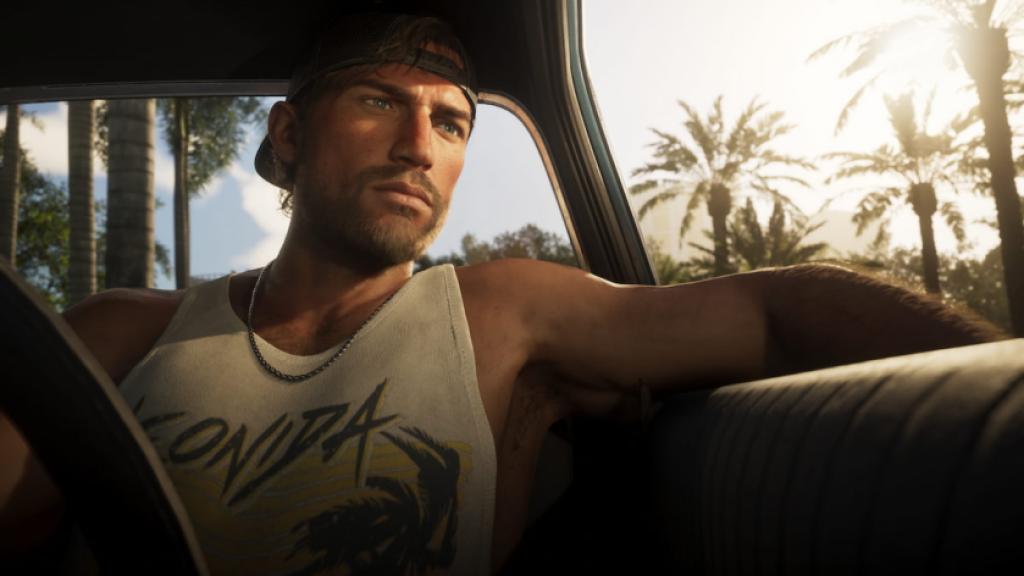
Pre-orders available in two editions (Standard at $79.99, Ultimate at $99.99), GTA VI embodies a promise: we can revisit Vice City, but enriched by two decades of gaming innovation. It's not a remake; it's a resurrection with partial amnesia. The original game's emotional heart endures, but wrapped in an entirely new narrative, visual, and gameplay architecture featuring Jason Duval and Lucia Caminos as protagonists.
Why Vice City Resists Cultural Obsolescence
Most video games age. Their graphics become dated, their gameplay grows awkward, their narrative sensibility seems archaic. Vice City, remarkably, has avoided this trajectory. Why?
First, the universality of its themes. Criminal ambition, betrayal, loyalty, rebuilding a shattered life—these are timeless archetypes, not obsessions specific to the 2000s. Tommy Vercetti could have been a Shakespearean character. The fact that he's incarnated in a video game becomes almost incidental.
Next, the retro-futuristic aesthetic perpetuated itself. The 1980s became a persistent cultural meme—visible in contemporary synthwave music, in Netflix productions like Stranger Things, in urban fashion. Vice City didn't have to suffer the indignity of seeming dated; it imperceptibly slipped into the category of timeless icons. Nostalgic Millennials keep retro imagery alive, while Gen Z discovers Vice City not as a historical artifact but as an expression of aspirational lifestyle.
Finally, the absence of an equally quality sequel. GTA IV, despite its merits, was darker, more realistic, less fantastical. GTA V was epic but fragmented among three protagonists. None captured that particular Vice City alchemy: the enjoyment of crime without guilt, a cohesive and enviable visual aesthetic, a satisfying linear narrative.
The Vice City Community: Digital Archaeologists and Memory Theorists
One final element sustains Vice City obsession: its vibrant community. From specialized forums to Discord servers, through YouTube channels of dataminers extracting every pixel of information, a sophisticated fan culture keeps Vice City alive in collective consciousness.
- Digital archaeologists still dissect every line of dialogue, every cutscene, every hidden easter egg. Discoveries continue to emerge twenty years after launch.
- Content creators produce theory videos, meticulous reconstructions, narrative analyses on YouTube and Twitch, keeping Vice City visible in recommendation algorithms.
- Dataminers excavate game files with archaeological devotion, extracting unused dialogue and never-implemented map sections, reinforcing the game's mystique.
- Modders create HD reconstructions, narrative extensions, parallel experiences, transforming Vice City into a canvas for creative experimentation.
This community functions as a voluntary echo chamber of obsession. Each generation discovers Vice City, and the community welcomes them, shows them why they must feel moved, and they reintegrate into the collective nostalgia cycle.
From Nostalgia to Anticipation: Psychological Preparation for November 2026
We now find ourselves in a strange phase of gaming culture: one of anticipation preceded by nostalgia. Fans don't merely dream of 2000s Vice City. They dream of a Vice City version that Rockstar is currently building, with details that no datamined data can fully reveal.
This anticipation feeds nostalgia: we revisit original Vice City videos on YouTube, not just because we love the game, but because we're searching for clues about how Leonida will recreate it. Every pixel of original Vice City becomes a fragment of a puzzle whose solution we await.
November 19, 2026 is not merely a release date. It's the date when our interactive nostalgia transforms into new experience, when past and anticipation merge in a singular moment. For the first time in two decades, Vice City won't be a memory frozen in amber; it will breathe, evolve, reveal itself in new light.
FAQ: Questions Vice City Nostalgics Ask Themselves
Why does Vice City haunt minds 24 years after release?
Vice City crystallized unique alchemy: the mythologized 1980s aesthetic, a charismatic and morally ambivalent protagonist (Tommy Vercetti), and gameplay freedom without moral friction. It also coincided with a generation discovering that video games could rival films narratively. This combination creates visceral nostalgia, amplified by an organized fan community keeping the game alive in pop culture. The absence of an equally quality sequel reinforces its timeless prestige.
How did the 1980s synthwave aesthetic save Vice City from obsolescence?
The 1980s became a persistent cultural meme, perpetuated by contemporary productions (Stranger Things, music synthwave, urban fashion). Vice City didn't seem old; it slipped into timeless icon territory. Nostalgic Millennials keep the style alive, while Gen Z discovers it as aspirational rather than historical. The game's retro-futuristic aesthetic aligns with this cultural permanence, preventing it from seeming dated.
Will GTA VI and Leonida recapture original Vice City's magic, or dilute it?
That's the big uncertainty. Rockstar promises radical modernization: latest RAGE engine, 60 fps on PS5 and Xbox Series X|S, ray-tracing, revolutionary AI systems. But it also adds two protagonists (Jason Duval and Lucia Caminos), an entire state zone (Leonida), and probably increased narrative complexity. This could enrich the experience or fragment it. Nostalgia hopes for faithful resurrection; anticipation fears creative dilution. Truth emerges November 19, 2026.
Does the fan community keep Vice City nostalgia alive?
Absolutely. Forums, Discord servers, YouTube creators, and dataminers form a voluntary echo chamber. Each new generation discovering Vice City is welcomed by a community explaining why the game is special. Theory videos, HD reconstructions, narrative analyses keep Vice City visible in recommendation algorithms. This social validation transforms individual nostalgia into durable collective phenomenon, perpetuating obsession beyond what game quality alone could sustain.